 ultimate-guide
What Is Moisture-Wicking Fabric Made Of
Table of Contents
- Understanding Moisture-Wicking Fabric
- How Moisture-Wicking Fabric Works
- Common Moisture-Wicking Materials
- Best Moisture-Wicking Fabric Options
- Moisture-Wicking vs Cotton: Key Differences
- How to Wash Moisture-Wicking Clothes
- Moisture-Wicking Fabric for Different Use Cases
- Frequently Asked Questions
Last Updated: October 10, 2026
Understanding Moisture-Wicking Fabric
Moisture-wicking fabric pulls sweat away from your skin and moves it to the fabric's outer surface where it evaporates quickly. This guide breaks down what makes these materials work differently from traditional cotton and why fiber composition matters for performance.
Moisture-wicking fabric differs from standard textiles in fiber structure and surface properties. Synthetic fibers like polyester and nylon have smooth, hydrophobic surfaces that repel water. Natural fibers such as merino wool have scales and crimp that create capillary channels. These differences determine how moisture moves through the fabric and drying speed.
How Moisture-Wicking Fabric Works
Moisture-wicking combines fiber properties, yarn construction, fabric structure, and surface treatments. Fiber content alone doesn't predict performance.
Fiber Shape and Capillary Action
Capillary action depends on fiber cross-section and surface texture. Polyester fibers have a smooth, cylindrical or trilobal (three-sided) shape. The trilobal design creates microscopic grooves that pull moisture along the fiber surface rather than absorbing it into the core.
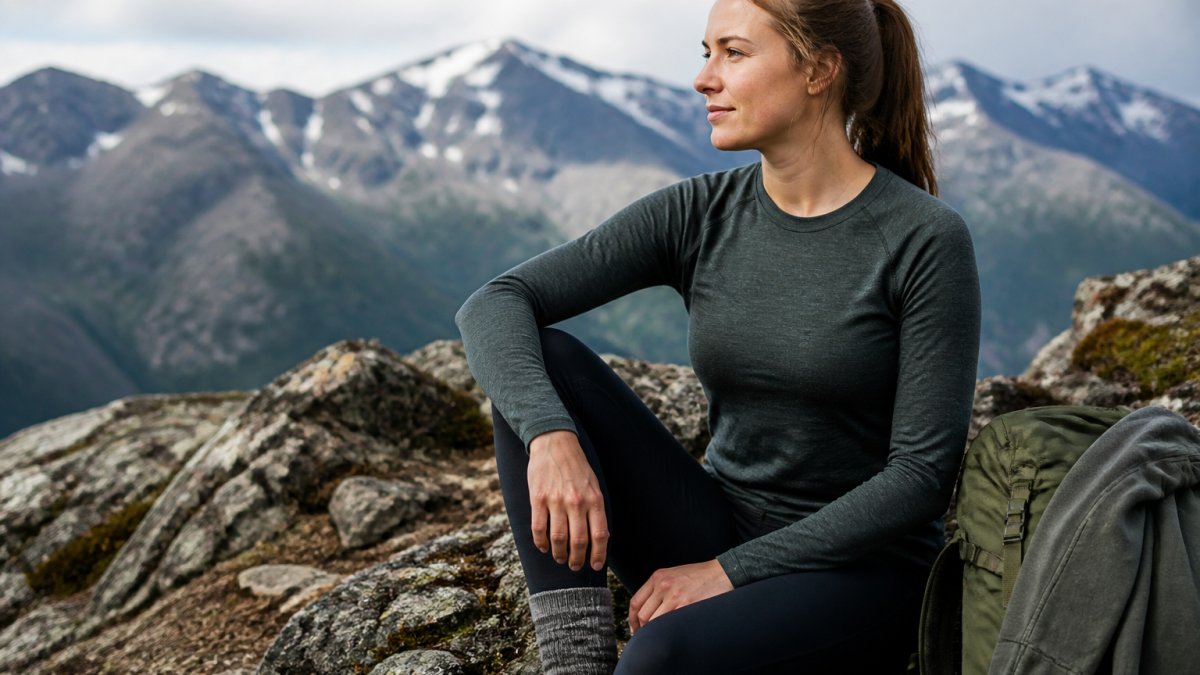
Merino wool fibers have natural crimp and overlapping scales that create capillary pathways, allowing moisture transport while trapping air for insulation, a property synthetics must engineer.
A fiber's cross-sectional shape determines whether moisture clings to the surface (good for wicking) or absorbs into the core (bad for wicking). Cotton fibers are naturally round and absorbent, which is why they fail at moisture-wicking.
Yarn Twist and Fiber Spacing
Yarn twist dramatically affects moisture transport. Loosely twisted yarn leaves space between fibers, allowing lateral moisture movement. Tightly twisted yarn compresses fibers, slowing lateral movement but increasing strength.
Most performance moisture-wicking fabrics use moderate twist with engineered spacing. Some use hollow or semi-hollow fibers to increase surface area and capillary channels without adding weight, directly impacting sweat transport speed.
Fabric Weave and Density
Weave structure determines air circulation and moisture distribution. Tight weaves slow evaporation by trapping moisture; loose weaves allow faster air circulation but sacrifice durability.
Performance apparel uses balanced weave density for structure and breathability. Knit fabrics allow more air circulation than woven fabrics, which is why knit moisture-wicking garments outperform woven alternatives for athletic use.
Some high-performance fabrics use two-layer construction: a moisture-wicking inner layer pulls sweat away, while a breathable outer layer allows vapor to escape. This delivers superior performance for intense activity.
Surface Finishes and Coatings
Manufacturers apply finishes to enhance moisture-wicking properties. Hydrophobic coatings increase water repellency. Antimicrobial finishes reduce odor-causing bacteria without affecting moisture transport.
These finishes degrade with repeated washing, which is why moisture-wicking garments perform better when new. Understanding finishes helps predict performance changes over time.
Evaporation and Temperature Regulation
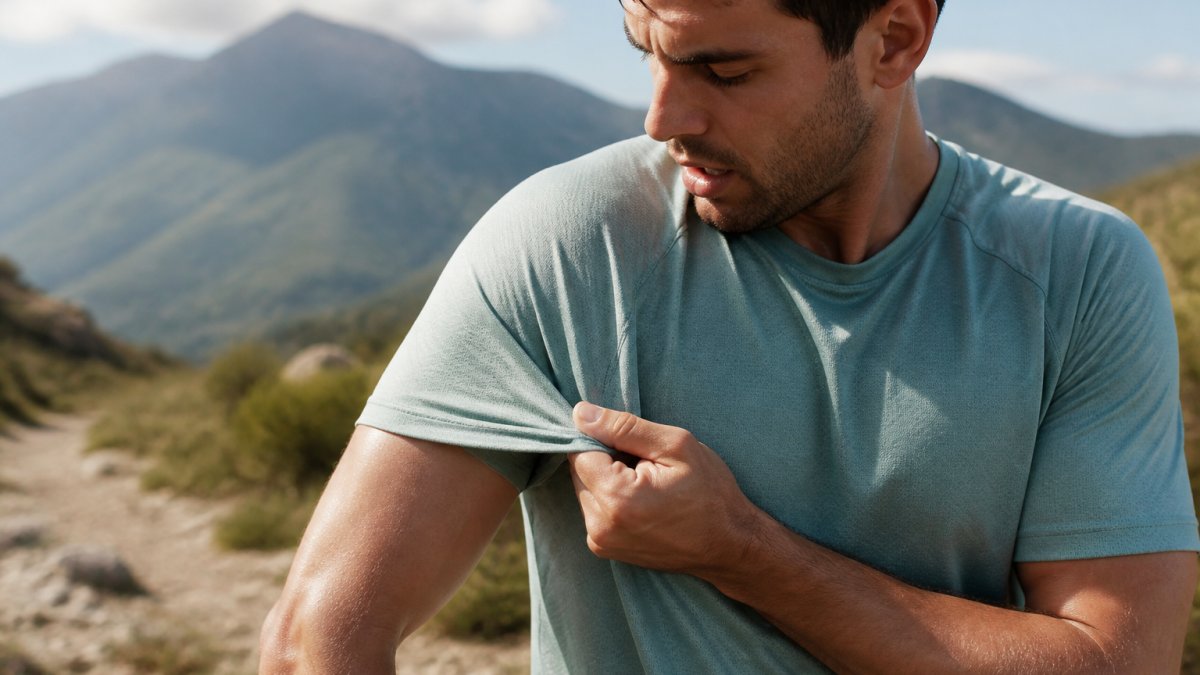
Once sweat reaches the fabric's outer surface, evaporation pulls heat away from your skin. Moisture-wicking fabric accelerates this by spreading sweat across a larger surface area, allowing faster evaporation.
A fabric that moves moisture quickly prevents the clammy feeling of sweat-saturated cotton. This is why athletes and outdoor enthusiasts choose moisture-wicking materials.
Evaporation speed depends on ambient humidity and air movement. In humid, still conditions, only fabrics that actively move moisture away from the skin maintain comfort.
Common Moisture-Wicking Materials
Polyester: The Industry Standard
Polyester dominates the moisture-wicking fabric market because it's affordable, durable, and performs reliably. The fiber has a smooth structure that repels water and allows sweat to slide along the surface.
Performance metrics: Polyester dries in 20-40 minutes and absorbs less than 1% of its weight in moisture. Moisture transport speed averages 8-12 seconds, compared to 30+ seconds for cotton.
Most performance activewear blends polyester with spandex for stretch. Pure polyester can trap odor and may feel less soft than natural alternatives.
Nylon: Durability and Flexibility
Nylon offers superior durability and flexibility, making it ideal for apparel requiring stretch and friction resistance. It's commonly blended into moisture-wicking fabric and has a smooth surface that sheds moisture effectively.
Performance metrics: Nylon dries in 25-45 minutes and absorbs 3-4% of its weight in moisture. Its tensile strength is approximately 20% higher than polyester, making it preferred for high-friction applications.
In outdoor applications, nylon's strength resists abrasion from rocks and branches. Many brands use 70% polyester and 30% nylon blends to balance quick-drying with durability.
Nylon degrades faster under UV light than polyester, making UV-protective coatings important for extended outdoor use.
Merino Wool: Natural Performance
Merino wool is the standout natural fiber for moisture-wicking. It's fine enough to feel soft (17-24 microns) while maintaining natural wicking ability.
Performance metrics: Merino dries in 60-90 minutes, slower than synthetics but faster than cotton. Moisture transport speed is 15-20 seconds.
Merino's natural crimp creates air pockets for insulation while allowing moisture movement. Inherent antimicrobial properties resist odor formation, allowing 7-10 days of wear before odor becomes noticeable, compared to 2-3 days for synthetics.
Merino apparel commands a 40-60% premium and requires gentler care to prevent felting. It sheds less microfiber than synthetics but still contributes to microplastic pollution.
Viscose and Lyocell: Engineered Natural Fibers
Viscose and lyocell are semi-synthetic fibers made from wood pulp. Viscose absorbs 11-13% of its weight in moisture and dries in 45-60 minutes, faster than cotton but slower than synthetics.
Performance metrics: Viscose has a moisture transport speed of 25-30 seconds and feels softer than polyester. However, viscose loses 20-30% of its strength when wet, making it unsuitable for high-intensity athletic wear.
Lyocell (Tencel) is a sustainable alternative using a closed-loop process that recycles 99% of chemicals. It performs similarly to viscose with better wet strength. Both appear in casual activewear where comfort is prioritized.
Fiber Blends and Engineered Solutions
Most high-performance moisture-wicking fabric combines multiple fibers. Common blends include 88% polyester and 12% spandex for stretch, or 60% merino wool and 40% polyester to balance odor resistance with quick-drying.
Engineered finishes enhance moisture-wicking properties. Hydrophobic coatings typically last 20-30 washes before degrading, which is why care matters for maintaining performance.
Best Moisture-Wicking Fabric Options
The best moisture-wicking fabric depends on your use case. For high-intensity workouts, polyester or nylon blends dry fastest. For outdoor exploration, merino blends offer durability and odor resistance. For everyday wear, polyester-spandex blends balance performance and value.
Moisture-Wicking vs Cotton: Key Differences
Absorption and Drying Speed
Cotton absorbs moisture directly into its fibers, soaking up sweat like a sponge. Once saturated, cotton takes hours to dry and feels heavy and clammy against your skin. Moisture-wicking fabric, by contrast, repels moisture and moves it to the surface where it evaporates in minutes. This fundamental difference explains why cotton is unsuitable for athletic or outdoor applications.
A cotton shirt worn during exercise will stay wet for hours after your workout ends. A moisture-wicking shirt dries while you're still moving, or within 20-30 minutes of stopping activity. This isn't a minor convenience, it's the difference between comfort and discomfort during physical exertion.
Comfort and Performance Trade-offs
Cotton feels soft and breathable in cool conditions, which is why it remains popular for casual wear. However, that softness comes at a performance cost. Cotton holds moisture against your skin, which leads to chafing, temperature regulation problems, and bacterial growth that causes odor.
Moisture-wicking fabric prioritizes function over the initial soft feel. Synthetic fibers can feel slightly slicker or less "natural" when new, though many modern blends have improved this significantly. Merino wool bridges the gap by offering both softness and performance, but at a higher price point.
How to Wash Moisture-Wicking Clothes
Washing Guidelines to Preserve Performance
Moisture-wicking fabric requires different care than standard cotton to maintain its performance properties. Hot water can damage synthetic fibers and degrade engineered finishes, so use cold or warm water instead. Avoid fabric softeners, which coat the fiber surface and reduce moisture-wicking ability, the opposite of what you want.
Wash moisture-wicking items separately from cotton or heavy fabrics that shed lint. Lint accumulation clogs the fiber structure and interferes with moisture transport. Use a gentle cycle and mild detergent to avoid breaking down the fibers or finishes. For items with antimicrobial treatments, follow the manufacturer's instructions to preserve those properties.
Drying and Storage Best Practices
Air drying is the gentlest option for moisture-wicking fabric. High heat in the dryer can damage synthetic fibers and reduce elasticity. If you must use a dryer, select low heat and remove items while slightly damp. Store moisture-wicking clothes in a cool, dry place away from direct sunlight, which can degrade synthetic fibers over time.
Proper storage prevents odor buildup and extends the lifespan of performance finishes. Never store damp moisture-wicking items in sealed bags, as trapped moisture encourages mold and mildew growth. Allow items to dry completely before putting them away.
Moisture-Wicking Fabric for Different Use Cases
Activewear and High-Intensity Workouts
For gym sessions, running, and high-intensity interval training, polyester-based moisture-wicking fabric is the standard choice. These fibers move sweat away from your skin at maximum speed, keeping you cool during intense effort. The quick-drying properties mean you can wash and wear the same piece multiple times per week without odor issues.
Spandex blends provide the four-way stretch necessary for dynamic movement. A 88% polyester and 12% spandex composition offers the balance most athletes need. Look for flat seams and ergonomic cuts that reduce chafing during repetitive motion.
Outdoor Exploration and Hiking
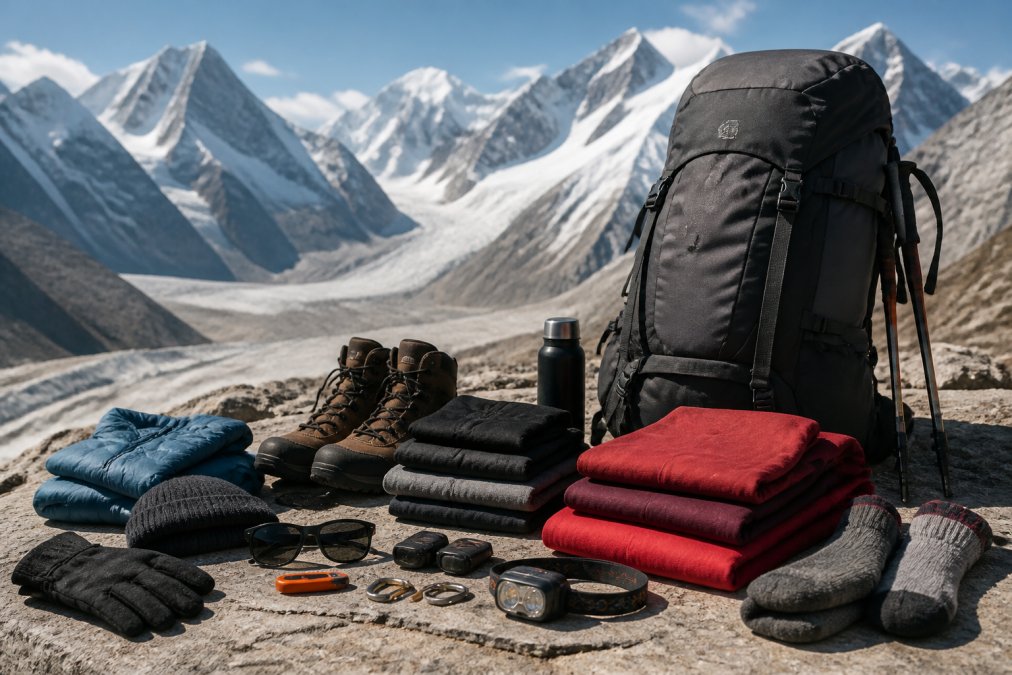
Multi-day hiking and mountain adventures demand moisture-wicking fabric that handles extended wear without frequent washing. Merino wool or merino-synthetic blends excel here because they resist odor formation naturally. Even after several days of wear, merino clothing stays fresher than synthetic alternatives.
Durability becomes critical in outdoor settings. Nylon-polyester blends provide the abrasion resistance needed for rough terrain. Weight matters too, lightweight moisture-wicking fabric reduces pack load while maintaining performance. Our outdoor pieces balance these factors with engineered fiber compositions designed for extended backcountry use.
Everyday Wear and Urban Commuting
For daily city life that includes both commuting and post-work social activities, versatile moisture-wicking fabric bridges athletic performance and style. A polyester-spandex blend offers reliable moisture management without the technical appearance of pure activewear. These pieces work for the gym, the office, and casual dinner plans.
Modern moisture-wicking fabric has evolved beyond the rigid, plastic-like feel of early performance wear. Contemporary blends incorporate design elements that make the pieces indistinguishable from regular streetwear.
Choosing the right moisture-wicking fabric comes down to understanding what you need from your clothes. Whether you're training hard, exploring mountains, or navigating daily life in the city, the fiber composition determines how well your apparel performs.
Frequently Asked Questions
What materials are used to make moisture-wicking fabric?
Moisture-wicking fabric is primarily made from synthetic fibers like polyester and nylon, which naturally repel water and move sweat away from skin. Natural fibers such as merino wool also wick moisture effectively. Most performance activewear uses fiber blends that combine these materials to optimize both moisture transport and durability, creating fabrics engineered specifically for sweat management during physical activity.
Is moisture-wicking fabric always made of polyester?
No. While polyester is the most common synthetic fiber used in moisture-wicking fabrics, nylon and merino wool are equally effective alternatives. Many brands blend polyester with nylon for added stretch and durability, or combine synthetic fibers with merino wool for natural temperature regulation and odor resistance. The choice depends on intended use, comfort preferences, and care requirements.
How does moisture-wicking fabric work compared to cotton?
Moisture-wicking fabrics move sweat away from your skin through capillary action, allowing it to evaporate quickly. Cotton absorbs moisture instead, trapping sweat against your skin and taking much longer to dry. This difference makes moisture-wicking fabric superior for workouts and outdoor activities, while cotton is better for casual wear where quick-drying performance isn't essential.
Can natural fibers wick moisture effectively?
Yes. Merino wool is an excellent natural-fiber option that wicks moisture, regulates temperature, and resists odor naturally. Unlike synthetic fibers, merino wool can absorb up to 30% of its weight in moisture while still feeling dry to the touch. This makes it ideal for those seeking natural-fiber alternatives without sacrificing performance, though it requires careful washing to maintain its properties.