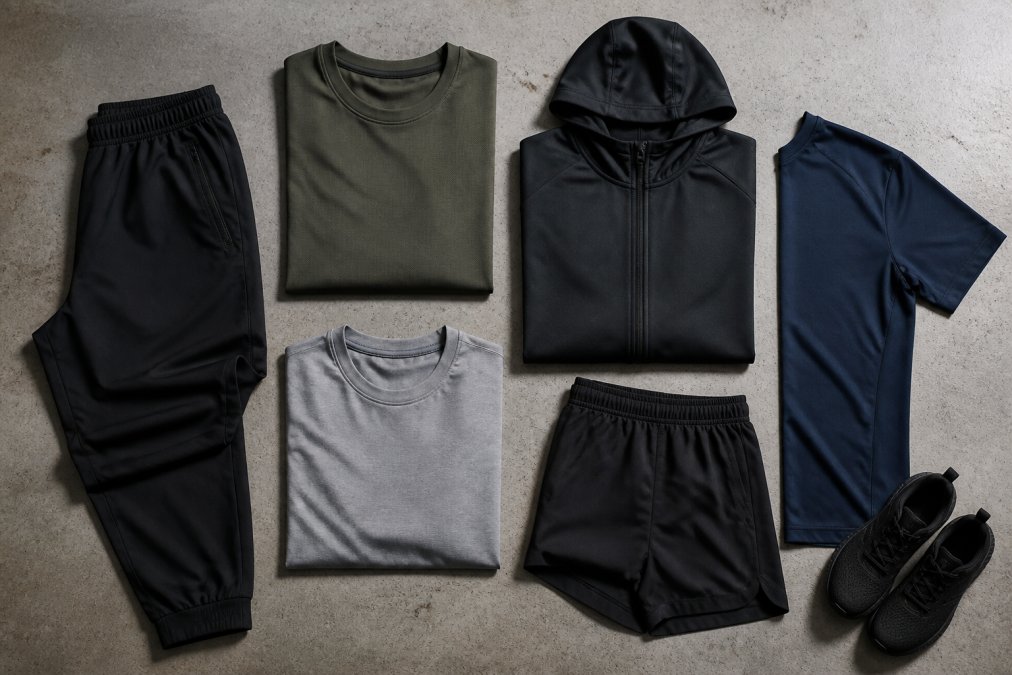
 listicle
7 Moisture-Wicking Street Clothes for Men in 2026
Table of Contents
- What Makes Moisture-Wicking Street Clothes Different
- How to Choose Moisture-Wicking Fabric That Works for Your Lifestyle
- Benefits of Synthetic vs. Natural Moisture-Wicking Fabrics
- 1. Myles Apparel Everyday Tee: Quick-Dry Performance Meets Casual Style
- 2. Public Rec All Day Every Day Pant: Sweatpant Comfort With Street Credibility
- 3. Western Rise Evolution Pant: Travel-Ready Versatility for City and Trail
- 4. Outlier Slim Dungarees: Durable Technical Fabric That Looks Refined
- 5. Mack Weldon ACE Sweatpant: Softness Without Sacrificing Performance
Last Updated: August 25, 2026
What Makes Moisture-Wicking Street Clothes Different
Moisture-wicking street clothes pull sweat away from your skin through capillary action, transporting moisture to the fabric's outer surface where it evaporates rapidly. This keeps you dry and comfortable throughout your day, whether commuting, working out, or transitioning to social activities.
Cotton absorbs moisture and holds it against your skin, creating a clammy feeling. Moisture-wicking fabrics, typically polyester blends, nylon, or merino wool, are hydrophobic on the inside and hydrophilic on the outside, creating a one-way moisture transport system that keeps sweat moving away from your body.
Modern moisture-wicking street clothes for men look like regular casual wear but perform like technical apparel. You're not sacrificing aesthetics for function. This versatility is why active professionals and urban explorers are making the switch.
American Society for Testing and Materials standards for performance fabrics define moisture-wicking efficiency through standardized testing, ensuring marketed claims hold up in real conditions.
How to Choose Moisture-Wicking Fabric That Works for Your Lifestyle
Selecting the right moisture-wicking fabric depends on three variables: your primary activity, your climate, and maintenance commitment.
Identify your use case first. Are you commuting in an urban environment? Splitting time between office and trail? Your answer determines which fabric blend makes sense.
Synthetic fibers like polyester and nylon dominate the moisture-wicking space. Polyester is lightweight, dries exceptionally fast, and resists odor buildup. Nylon adds durability and stretch. A blend (typically 80% nylon, 20% spandex) offers the best balance of breathability, stretch, and longevity.
Merino wool performs differently. It's naturally antimicrobial, resisting odor far better than synthetics, and regulates temperature across a wider range. The tradeoff: merino costs more, requires gentler washing, and dries more slowly than polyester.
Consider fabric weight and weave structure. Lighter fabrics (under 150 gsm) offer better breathability and quick-dry properties. Heavier technical fabrics provide more durability for trail wear.
Test the evaporation rate if possible. Quality moisture-wicking fabrics dry noticeably faster than cotton when wet, within 2-4 hours versus 8-12 hours for standard cotton (astm.org).
| Factor | Best For Synthetic Blends | Best For Merino Wool | Best For Natural Blends |
|---|---|---|---|
| Drying Speed | 2-3 hours | 4-6 hours | 6-8 hours |
| Odor Resistance | Moderate (3-5 wears) | Excellent (7-10 wears) | Good (5-7 wears) |
| Cost | Budget-friendly | Premium | Mid-range |
| Care Requirements | Standard wash | Gentle cycle | Standard wash |
| Best Use Case | High-sweat activities | Minimalist wardrobes | Balanced lifestyle |
Benefits of Synthetic vs. Natural Moisture-Wicking Fabrics
Synthetic moisture-wicking fabrics (polyester, nylon, and blends) excel at performance. They dry faster than natural alternatives, typically reaching 70-80% dry within 2-3 hours (peer-reviewed research). They resist odor through antimicrobial treatments, allowing multiple wears before washing. Synthetics are durable under heavy use, resist pilling, maintain shape through countless washes, and handle abrasion without degradation.
The environmental cost is real. Polyester and nylon are petroleum-derived, and microfiber shedding during washing contributes to ocean pollution. Some brands now use recycled polyester, reducing the carbon footprint but not eliminating the microfiber issue entirely.
Natural moisture-wicking fabrics, particularly merino wool, take a different approach. Merino naturally wicks moisture and regulates temperature across a 20-degree range. It's naturally antimicrobial, so you can wear a merino piece 7-10 times before washing, dramatically reducing water usage and wear-and-tear over time.
Merino's limitations are real. It costs significantly more than synthetics, often 40-60% more per piece. It requires gentler washing and dries slower than synthetics.
For most active men, a hybrid approach works best: synthetic pieces for high-sweat activities, and merino for versatile everyday wear where fewer washes matter.
1. Myles Apparel Everyday Tee: Quick-Dry Performance Meets Casual Style
The Myles Apparel Everyday Tee uses Drirelease recycled polyester and organic cotton blend that dries 4 times faster than plain cotton while maintaining a soft, natural feel. Drirelease technology moves moisture to the fabric surface rapidly, enabling evaporation rates that cotton can't match.
The tailored athletic fit provides enough structure for defined movement without the baggy look of oversized gym shirts. The UPF 30+ sun protection is useful for outdoor activities. The Polygiene odor-resistant finish means you can wear this shirt multiple times before washing.
Limitations: The color palette is intentionally limited to neutral tones. The price point sits at the higher end of basic tees, reflecting the Drirelease technology and organic cotton sourcing.
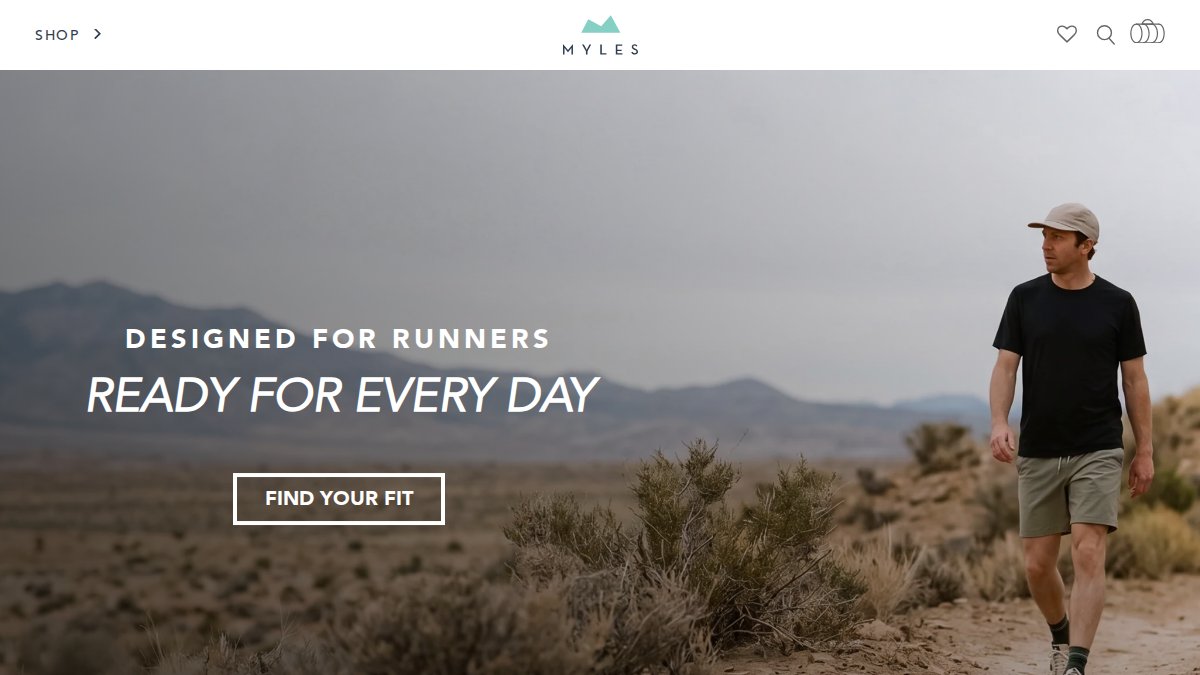
Best for: Men who want a versatile everyday tee that handles sweat without looking like gym wear and who value performance and sustainability.
2. Public Rec All Day Every Day Pant: Sweatpant Comfort With Street Credibility
Public Rec solved a real problem: most sweatpants look like sweatpants. The All Day Every Day Pant uses nylon and spandex blend that delivers moisture-wicking performance and stretch while maintaining a tailored silhouette that passes as casual pants.
Nylon provides durability and quick-dry properties, while spandex offers four-way stretch for genuine comfort during movement. The elastic waistband provides comfort without drawstring bulk. Front zipper pockets are practical for travel or urban movement.
The fit tapers at the ankle and maintains structure through the thigh, reading as actual pants rather than loungewear. Customizable waist and length sizing means you're more likely to get an actual fit.
Trade-offs: At $85, these cost more than standard sweatpants. Some users report they need a wash or two to fully soften.
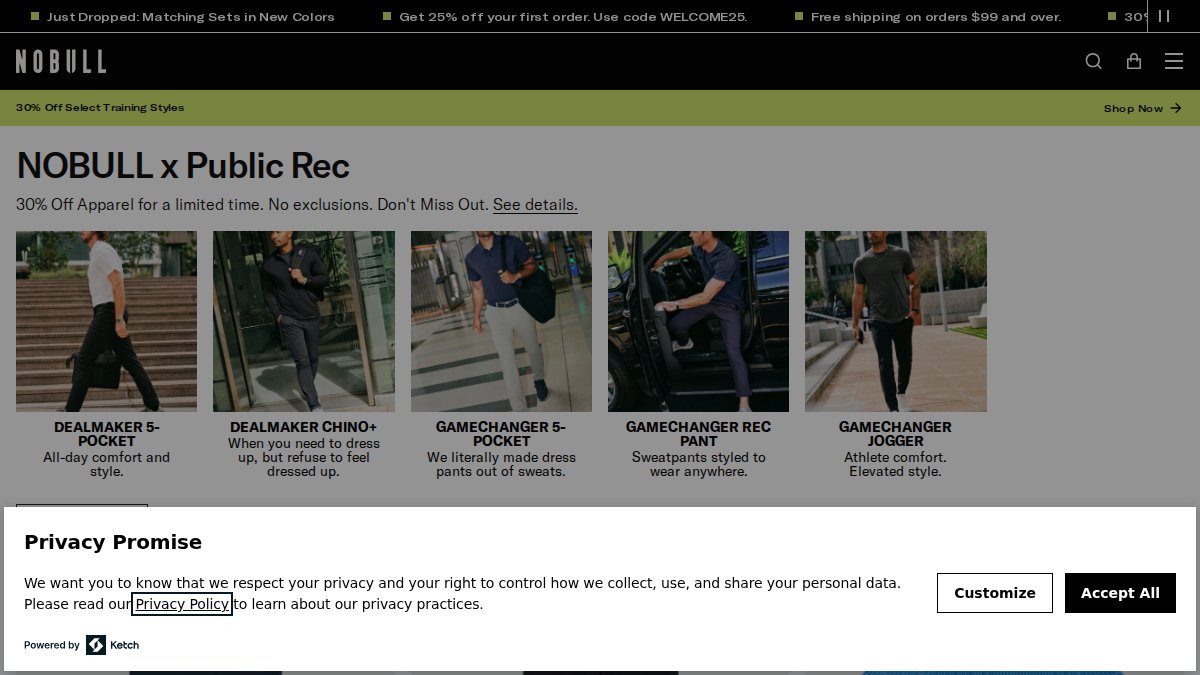
Best for: Men seeking sweatpant comfort with a silhouette that works for casual outings, travel, and the gym-to-street transition.
3. Western Rise Evolution Pant: Travel-Ready Versatility for City and Trail
The Western Rise Evolution Pant is engineered for minimalists who want one pant that handles multiple environments. The Evolution fabric (90% nylon, 10% elastane) is built for performance across temperature ranges and activity types.
The four-way stretch is genuine. The DWR (durable water-repellent) C0 PFA-free treatment means light rain or spilled coffee won't soak through immediately. The hidden zippered pocket is a security feature for travel or urban environments.
The nylon-elastane blend dries quickly and resists odor buildup, so you can wear these multiple times between washes. For someone traveling or maintaining a minimal wardrobe, this extends utility significantly.
Limitations: The fit runs modern and tapered. The water-resistant treatment requires periodic reapplication every 6-12 months. These aren't ideal for very cold climates without layering.

Best for: Travelers, minimalists, and outdoor-minded professionals who need one versatile pant that handles city streets and trail environments.
4. Outlier Slim Dungarees: Durable Technical Fabric That Looks Refined
Outlier Slim Dungarees use proprietary Workcloth Doubleweave Canvas (82% nylon, 16% polyester, 2% elastane) designed for extreme durability while maintaining a refined appearance that reads as actual fashion rather than technical gear.
The two-way stretch and gusseted crotch handle serious movement without tearing. The Schoeller Ecorepel Bio DWR treatment is a high-performance water and stain repellent that doesn't use PFOA. The five-pocket construction is traditional, and the fabric develops character over time.
The durability claim is backed by real-world use. These pants are designed to last years of heavy use across hiking, climbing, and daily commuting.
Trade-offs: These are expensive, reflecting the proprietary fabric and durability engineering. The water-repellent treatment requires maintenance. Some users report the fabric is stiffer initially and benefits from a break-in period.
Best for: Men who wear the same pants repeatedly across multiple environments and want something that will genuinely last years while maintaining a polished appearance.
5. Mack Weldon ACE Sweatpant: Softness Without Sacrificing Performance
Mack Weldon ACE Sweatpants use micro-brushed French terry fabric, where the inside surface is brushed to create exceptional softness while maintaining the structural integrity of technical fabric. This is comfort-first design that doesn't compromise on performance.
The modern, tapered fit means these don't have the baggy silhouette of traditional sweatpants. The 16 color options give genuine variety. Functional pockets are deep enough to actually use. Reinforced seams and quality elastic suggest durability through repeated wear and washing.
These are explicitly designed for wearing both at home and in casual public settings. The softness appeals to people who value comfort, while the tapered fit and color options make them viable for leaving the house.
Limitations: At $78, these cost more than standard sweatpants. The softness can gradually diminish with washing. Some users prefer sizing up for maximum comfort.
Best for: Men who prioritize comfort in their daily wear but want pieces that look intentional and can transition from home to casual outings.
Why Moisture-Wicking Matters for Active Men Who Value Style
The shift toward moisture-wicking street clothes reflects a broader change in how active men approach wardrobing. You're no longer choosing between "gym clothes" and "street clothes", you're building a wardrobe where those categories overlap intentionally.
Cotton-based casual wear creates friction points for active lifestyles. Cotton absorbs moisture and holds it, creating discomfort during and after physical activity. It takes hours to dry, meaning you either need multiple pieces or wear damp fabric throughout your day.
Moisture-wicking street clothes solve this by maintaining performance across your actual life. You're not changing into gym-specific gear and then into separate casual clothes. This reduces the number of pieces you need and simplifies your daily routine.
Modern moisture-wicking street clothes are indistinguishable from regular casual wear, eliminating the self-consciousness some men feel about wearing "gym clothes" in social settings.
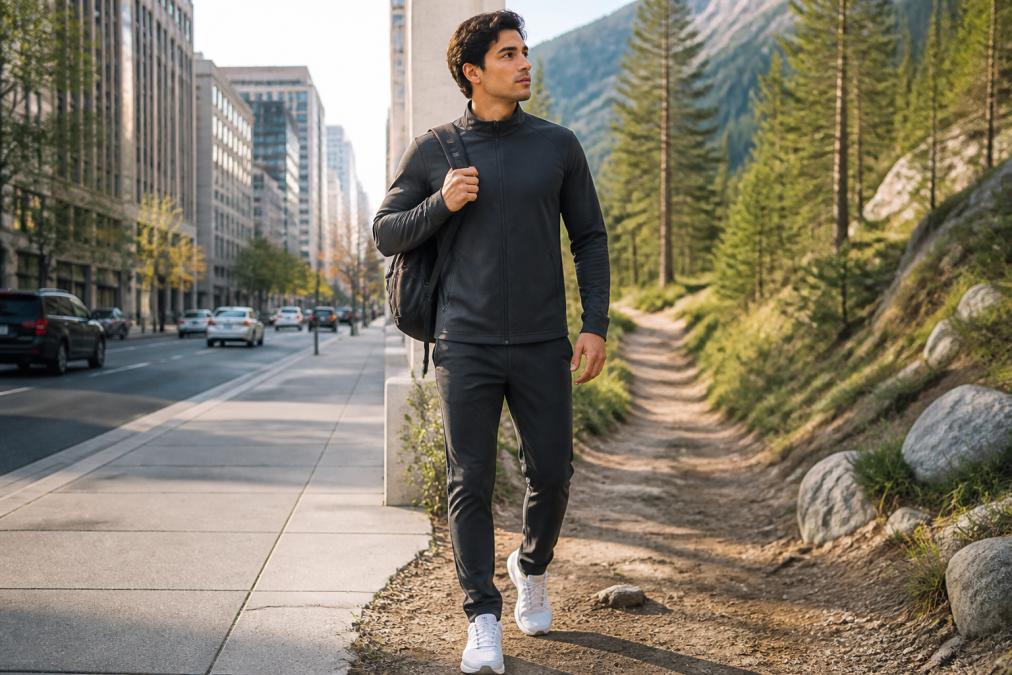
For remote workers and home-based professionals, moisture-wicking pieces offer comfort without the "I'm in loungewear" feeling. You can move freely, handle unexpected temperature changes, and look intentional if you need to step into a video call or head out unexpectedly.
The environmental consideration also matters. Fewer pieces mean less consumption. Quick-drying fabrics reduce washing frequency. Merino options extend garment lifespan. The overall consumption pattern of a well-built moisture-wicking wardrobe is lower than constantly replacing cotton pieces.
Care and Maintenance: Keeping Your Moisture-Wicking Pieces Performing
How you care for moisture-wicking apparel directly determines how long the wicking technology remains effective.
Avoid fabric softener and dryer sheets. These products coat the fabric surface with oils that block the hydrophilic properties essential to moisture-wicking. Use regular detergent and skip the softener entirely.
Water temperature matters. Most synthetic moisture-wicking fabrics handle hot water, but merino and natural blends require cold or warm water. Cold water is the safest choice across all moisture-wicking fabrics.
Air drying is ideal for extending garment life. If you use a dryer, use low heat and remove the piece while slightly damp.
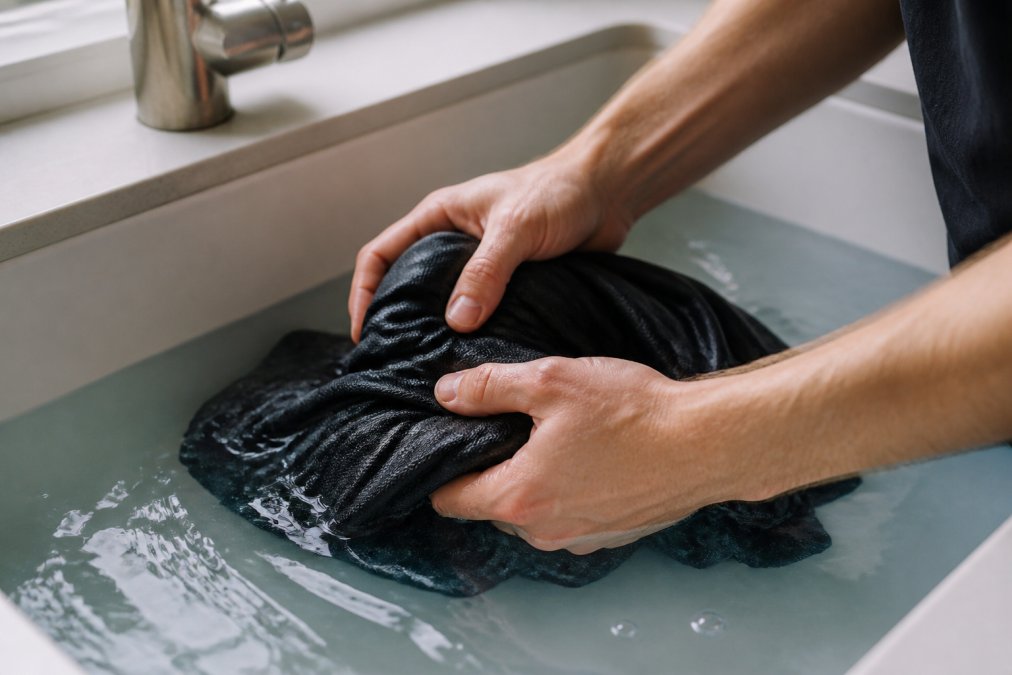
Washing frequency depends on fabric type. Synthetic pieces with antimicrobial treatments can be worn 3-5 times before washing. Merino can go 7-10 wears. Fewer washes mean less wear on seams, elastic, and the fabric itself.
Spot-cleaning extends time between full washes. For sweat stains or minor dirt, rinse the affected area with cool water and let it air dry.
DWR treatments on technical pants require periodic reapplication, typically every 6-12 months depending on wear frequency.
Store moisture-wicking pieces in a cool, dry place away from direct sunlight. Avoid plastic bags that trap moisture. This prevents mildew and maintains fabric integrity.
The best moisture-wicking street clothes for men aren't about choosing between performance and style anymore, they're about refusing that false choice. The pieces above represent the current state of the category: technical fabrics engineered for sweat management, quick-drying, and odor resistance, but designed to look like regular casual wear.
At Tremendous World, we understand that active men need apparel that performs across multiple environments without compromising on aesthetics. Our collection is built on the same principle as the best pieces in this guide: versatile, durable, and designed to handle the transition from city streets to mountain trails without missing a beat. Explore our premium athletic lifestyle apparel and discover how the right moisture-wicking pieces simplify your wardrobe while keeping you comfortable throughout your day. Shop Now and experience the difference that engineered performance makes.
Frequently Asked Questions
What type of shirt is best for people who sweat a lot?
Moisture-wicking shirts made from synthetic fibers like polyester or nylon work best for heavy sweaters. These materials pull sweat away from skin through capillary action, allowing faster evaporation. Look for shirts with quick-dry technology and breathable construction. Blends combining performance synthetics with organic cotton (like Drirelease) offer comfort without compromising sweat management. Fit matters too, slightly loose cuts improve airflow compared to tight-fitting styles.
How do I choose moisture-wicking fabric that matches my needs?
Consider your primary use: gym-to-street transitions favor lightweight, breathable synthetics with odor resistance; outdoor activities require durable, water-resistant options; professional settings need moisture-wicking that maintains a polished appearance. Check fabric composition (polyester, nylon, merino wool), weight (lighter for summer, heavier for layering), and features like antimicrobial treatments or DWR coatings. Test how the fabric feels against your skin, some people prefer softer blends, while others prioritize maximum wicking efficiency.
Can moisture-wicking clothes be worn as casual streetwear?
Absolutely. Modern moisture-wicking street clothes are designed specifically for this purpose, blending technical performance with contemporary style. Tapered fits, neutral colors, and refined details make them indistinguishable from regular casual wear. The key is choosing pieces with clean aesthetics rather than obvious athletic branding. Moisture-wicking pants work as everyday wear, and performance tees pair seamlessly with standard casual outfits. This dual functionality is why they appeal to professionals and active individuals who move between different environments throughout the day.
What's the difference between synthetic and natural moisture-wicking fabrics?
Synthetic fibers (polyester, nylon) excel at rapid moisture transport and quick drying, making them ideal for intense sweating and outdoor activities. They dry 4x faster than cotton and resist odors naturally. Natural fibers like merino wool regulate temperature more effectively and feel softer, but dry slower and cost more. Blends combine benefits, merino with synthetics offers temperature control plus faster drying; polyester-cotton blends provide softness with improved wicking. Choose synthetics for performance-first needs, natural fibers for all-day comfort, or blends for balanced versatility.
This article was written using GrandRanker