 listicle
5 Affordable Premium Athletic Wear Brands for Men
Table of Contents
- Tremendous World: City-to-Trail Versatility
- Quince: Direct-to-Consumer Value
- Ten Thousand: Built for High-Intensity Training
- tentree: Sustainable Materials and Ethical Manufacturing
- Janji: Lightweight, Breathable Running Gear
- The Best Lululemon Alternatives for Men
- How to Choose Moisture-Wicking Fabrics
- Best Athletic Wear for City to Trail Transition
- Frequently Asked Questions
Last Updated: October 1, 2026
Tremendous World: City-to-Trail Versatility
The best affordable premium athletic wear for men does one thing well: it works as hard on a mountain switchback as it does on a city sidewalk. Tremendous World builds exactly that. This guide from Tremendous World covers five athletic wear brands that deliver real performance without luxury markups, plus how to judge fabric quality, fit, and long-term value before you buy.
Athletic wear brands succeed or fail on versatility. A jacket that only works at the gym is a costume. A pair that only works on trails is gear. The brands below blur that line.
Most "premium" labels charge for the logo, not the fabric. The five picks here earn their price through construction, fit, and how long they last. Below, we break down where each one wins, where it falls short, and who it actually fits.
Quince: Direct-to-Consumer Value
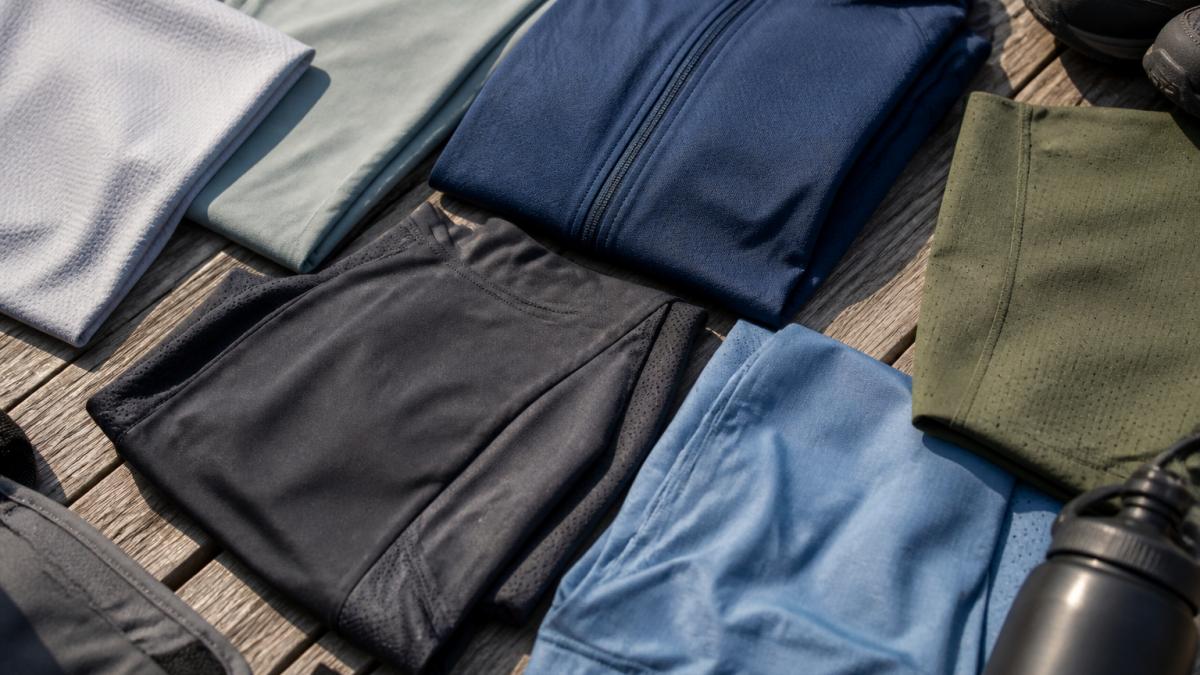
Quince cuts the middleman and sells performance basics directly, which is why its prices start far below traditional retail. Moisture-wicking materials and a minimalist look make its pieces easy to wear from the gym to casual settings.
The trade-off is variety. Quince keeps a tight catalog, so if your size sells out, you wait. For men who want clean, functional staples and don't care about chasing trends, that's a fair deal. For anyone who wants options, it's limiting.
| Brand | Starting Price | Best For | Standout Feature | Main Drawback |
|---|---|---|---|---|
| Tremendous World | See site | City-to-trail versatility | Streetwear-meets-performance design | Premium positioning |
| Quince | $20 | Budget basics | Direct-to-consumer pricing | Limited inventory |
| Ten Thousand | $58 | High-intensity training | Abrasion-resistant fabric | Higher entry price |
| tentree | $40 | Eco-conscious buyers | Recycled materials | Fewer technical specs |
| Janji | $50 | Runners | Lightweight breathable fabric | Running-focused |
Ten Thousand: Built for High-Intensity Training
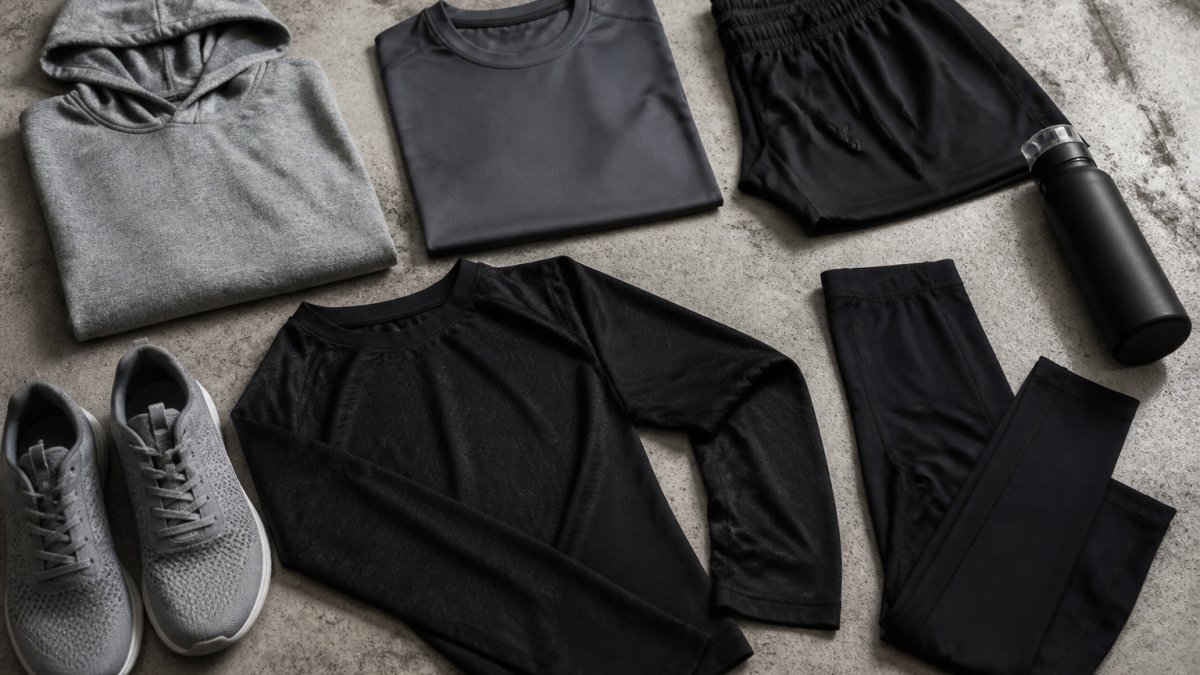
Ten Thousand designs for men who train hard and want gear that survives it. Its fabrics resist abrasion, and anti-odor treatment keeps pieces wearable across back-to-back sessions.
tentree: Sustainable Materials and Ethical Manufacturing
tentree leans into sustainability, using recycled polyester and holding its manufacturing to ethical standards. Its shorts and joggers favor a relaxed fit, which makes them comfortable for all-day wear rather than peak performance.
Janji: Lightweight, Breathable Running Gear
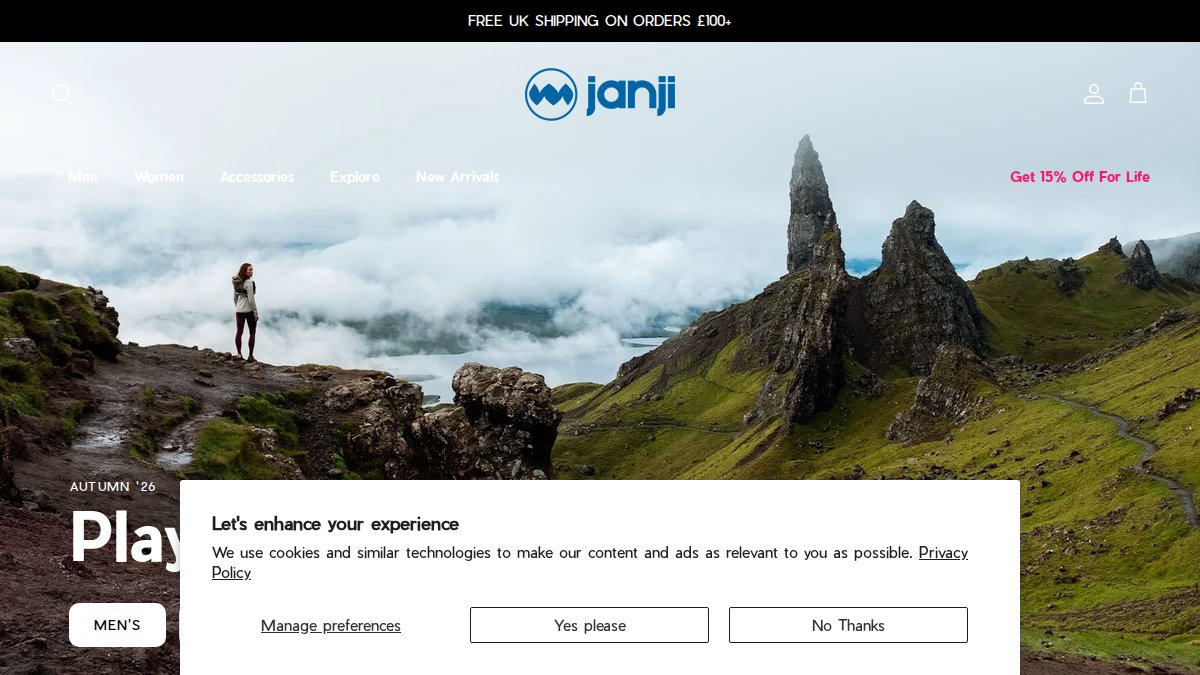
Janji makes running gear first and everything else second. Lightweight technical fabrics and quick-dry construction keep you cool on long efforts, and the patterns stand out from generic black shorts.
The Best Lululemon Alternatives for Men
The best Lululemon alternatives for men deliver comparable fabric quality and fit without the luxury price tag. Quince, Ten Thousand, and Tremendous World all compete on construction and performance rather than brand prestige, but the reason they can is structural, not just marketing.
Why the Price Gap Exists
Luxury pricing often reflects marketing and retail overhead, not better materials. A traditional athletic brand funds mall storefronts, wholesale margins, seasonal markdowns, and sponsorship deals. Those costs land in the price of every pair of shorts. Direct-to-consumer and performance-focused brands skip most of that stack and put more of your money into the fabric itself.
What to Compare Before You Switch
When you evaluate a Lululemon alternative, compare these five specs side by side rather than trusting the brand story:
- Fabric weight (GSM). A 180-220 GSM knit is the everyday training standard. Anything under 150 GSM is a running or hot-weather piece, not a do-everything short.
- Stretch percentage. Look for 4-8% elastane. Below 4% and the piece restricts movement; above 10% and it loses shape faster.
- Seam construction. Flatlock or bonded seams reduce chafing. Standard overlock seams are cheaper and more abrasive on long efforts.
- Anti-odor treatment. Silver-based and zinc-based treatments last longer than topical finishes, which wash out.
- Warranty and return window. A generous return policy is a proxy for the brand's confidence in its own durability.
How These Brands Compare to Luxury Pricing
The gap comes down to distribution. Legacy brands fund storefronts and sponsorships; the brands above skip most of that. You still pay for quality, just less for the label.
Care and Maintenance for Longevity
- Wash cold, inside out. Heat is the enemy of elastane and anti-odor finishes.
- Skip the dryer. Air-dry performance pieces. A single hot cycle can shorten a garment's useful life noticeably.
- No fabric softener or dryer sheets. Both coat fibers and block wicking.
- Wash less often. Anti-odor treatments are designed to let you wear a piece two or three times between washes. Over-washing is the fastest way to wear out a premium knit.
Federal Trade Commission guidance on textile labeling requires brands to disclose fiber content, so check the tag before assuming "performance" means what you think.
How to Choose Moisture-Wicking Fabrics
Choosing moisture-wicking fabrics comes down to fiber type, weight, knit structure, and how the fabric moves sweat away from your skin. Most guides stop at "look for synthetics." The more useful question is which fiber blend matches your activity, your body type, and how often you actually wash the piece.
Fabric Weight and Breathability
Fabric weight is measured in grams per square meter (GSM), and it is the single most useful spec to compare across brands. As a rough guide:
- 120-150 GSM: featherweight running and hot-weather training. Highly breathable, low abrasion resistance.
- 150-200 GSM: the everyday training sweet spot for lifting, HIIT, and gym-to-street wear.
- 200-280 GSM: heavier knits for cooler conditions, recovery wear, and durability under load.
Match the Fabric to Your Body Type
Fit and fabric interact differently depending on build, and most listicles skip this entirely.
- Tall and slim: look for four-way stretch with a longer inseam and a tapered leg. Rigid, high-GSM knits can bunch at the ankle and read as baggy rather than fitted.
- Muscular and broad-shouldered: prioritize gusseted construction and raglan or stretch-woven shoulders. Standard cut-and-sew tees restrict overhead range of motion; a 4-8% elastane blend restores it.
- Stockier builds: mid-weight (180-220 GSM) knits with a straight or athletic taper drape better than ultra-light fabrics that cling.
Fiber Cheat Sheet
- Quick-dry synthetics (polyester, nylon): best for running and sweaty workouts; fastest dry time, lowest cost.
- Recycled polyester blends: sustainable and durable; performance is close to virgin polyester when the knit is engineered well.
- Merino wool blends: naturally odor-resistant and temperature-regulating; pricier and slower to dry.
- Anti-microbial treatments: fight odor between washes; effectiveness fades with heat and repeated hot-water washing.
- Four-way stretch: supports range of motion; look for 4-8% elastane or spandex.
- Chafe-free seams: flatlock or bonded seams reduce friction on long efforts.
Cost-Per-Wear: The Number That Actually Matters
Federal Trade Commission guidance on textile labeling requires brands to disclose fiber content, so check the tag before assuming "performance" means what you think.
Best Athletic Wear for City to Trail Transition
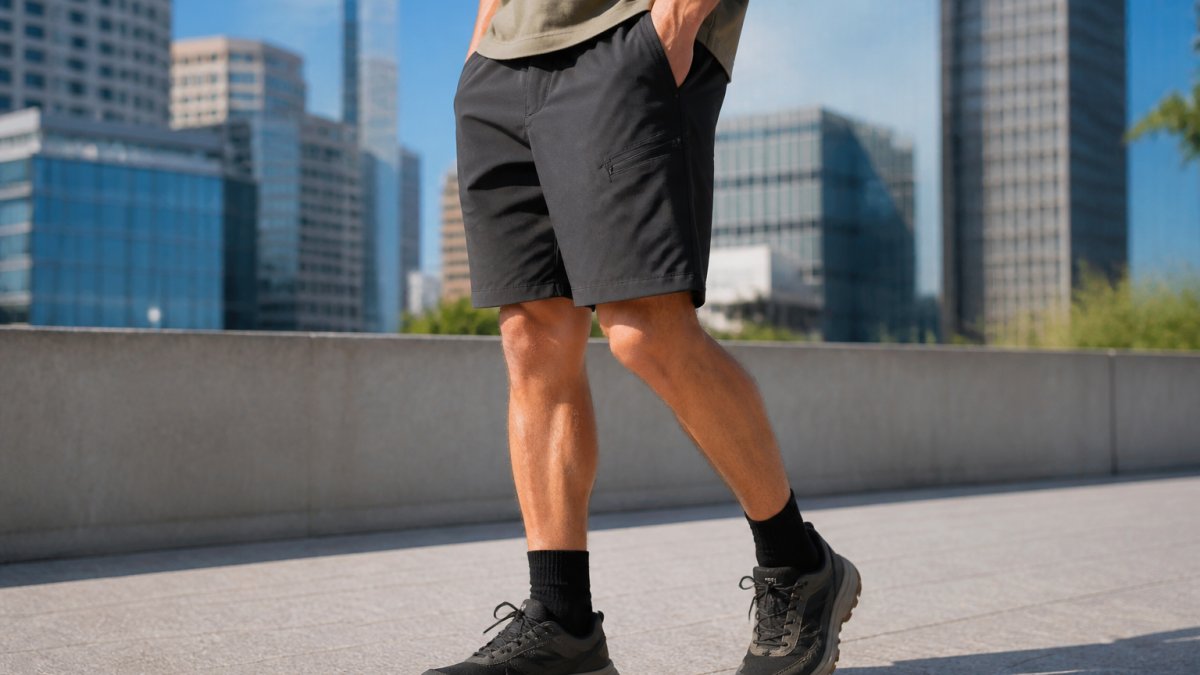
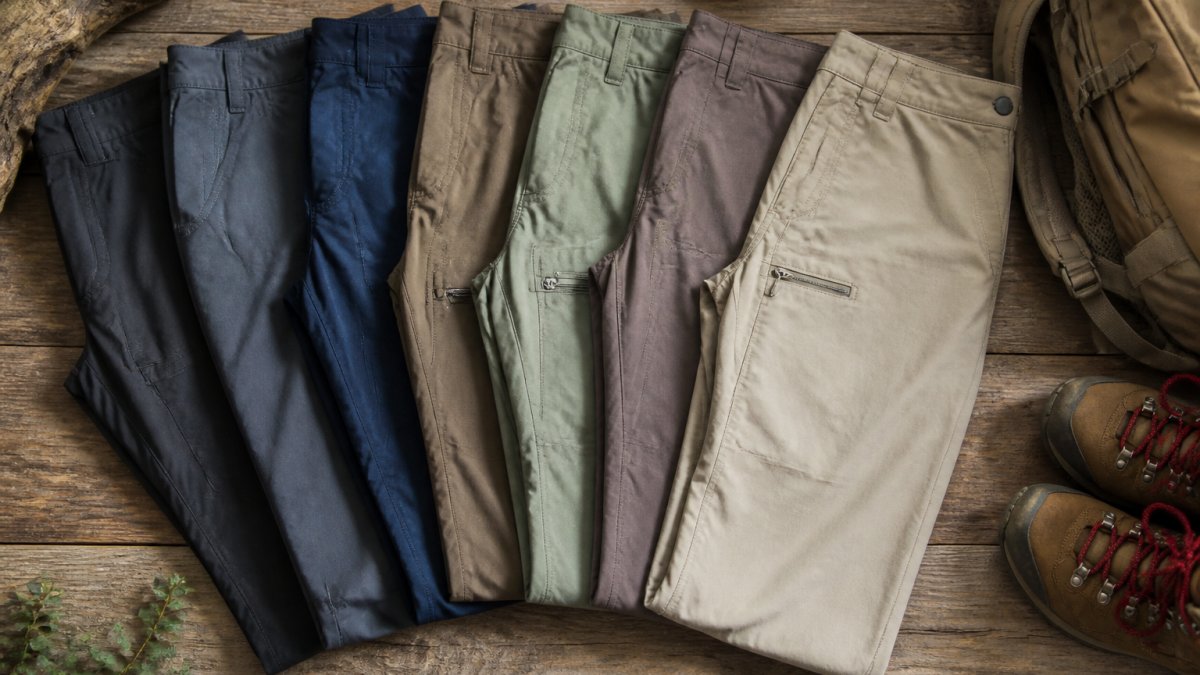
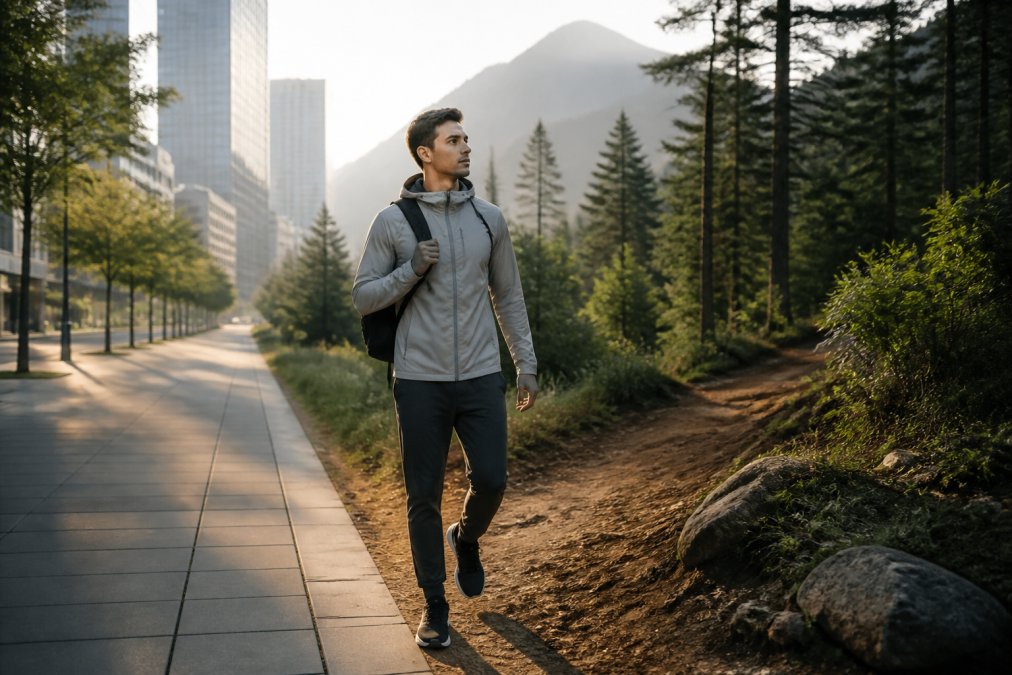
The best athletic wear for city to trail transition balances durability with a look that works in both places. Tremendous World builds for exactly this, with premium athletic lifestyle apparel and streetwear designed for men who move between city streets and mountain trails.
Frequently Asked Questions
What are the best affordable alternatives to high-end athletic brands?
Quince offers moisture-wicking performance materials starting at $20, while Ten Thousand provides durable, anti-odor training gear from $58. Both deliver premium fabric feel and construction without luxury markups. For city-to-trail versatility, Tremendous World combines streetwear design with outdoor durability. These brands focus on direct-to-consumer pricing or efficient manufacturing, so you get technical fabrics and thoughtful fit at a fraction of typical luxury retail prices.
How do you define 'premium' in men's athletic wear?
Premium means specific technical qualities: four-way stretch, moisture-wicking fabrics, anti-microbial treatments, and durable seam construction that survives repeated washing. It also includes fit details like tapered legs and ergonomic design for range of motion. Brands like Ten Thousand and Janji meet these standards with abrasion-resistant materials and breathable technical fabrics. Price alone does not indicate premium.
Are cheaper athletic brands worth the investment for heavy training?
It depends on construction and fabric. For heavy training, prioritize anti-odor technology, chafe-free seams, and durable synthetic blends. Calculate cost-per-wear: a $70 short worn 100 times costs $0.70 per use, often beating a $30 short that wears out in 20 washes.
What features should I look for in high-quality men's workout gear?
Look for moisture-wicking or sweat-wicking fabrics that pull moisture away from skin, four-way stretch for unrestricted movement, and anti-microbial properties to control odor. Flatlock or chafe-free seam construction prevents irritation during long runs or lifts. Breathability and temperature regulation matter for outdoor transitions. Also check fit: tapered fit for athletic builds, or relaxed fits for casual wear. Brands like Janji and Tracksmith emphasize lightweight, breathable technical fabrics, while tentree focuses on sustainable materials like recycled polyester.
Which athletic brands offer the best balance of style and performance?
Tremendous World blends streetwear aesthetics with trail-ready durability, making it strong for gym-to-street transitions. Janji stands out with artist-inspired patterns on lightweight, breathable running gear. For a minimalist look, Quince provides clean basics that work for both workouts and casual wear. The right choice depends on whether you prioritize urban style, running-specific features, or sustainable materials.
Choosing athletic wear that performs in the gym, on the trail, and at dinner is harder than it should be. Most brands force you to pick between performance and style, or charge luxury prices for both. Tremendous World closes that gap with premium athletic lifestyle apparel and streetwear built for city streets and mountain trails alike, so one kit covers your whole day. Shop Now and gear up for wherever the day takes you.