 comparison
Sustainable Athletic Brands 2026: A Comparison
Table of Contents
- Comparison of Sustainable Athletic Lifestyle Brands 2026
- What Defines a Truly Sustainable Athletic Brand
- Moisture-Wicking Street Clothes for Men: Performance Meets Sustainability
- How to Build a Sustainable Athletic Wardrobe
- End-of-Life Circularity: What Happens After Wear
- Supply Chain Transparency and Ethical Manufacturing
- Microplastic Shedding and Fabric Technology Choices
- Conclusion
- Frequently Asked Questions
Last Updated: September 30, 2026
Comparison of Sustainable Athletic Lifestyle Brands 2026
The sustainable athletic brands market has matured from niche to mainstream. Active adults now expect performance, style, and ethical production in the same garment.
This comparison examines sustainable athletic lifestyle brands, defining what sustainability means, comparing fabric technology and supply chain transparency, and showing you how to build a wardrobe that performs across contexts.
The challenge is knowing which brands deliver on their promises versus which rely on greenwashing.
What Defines a Truly Sustainable Athletic Brand
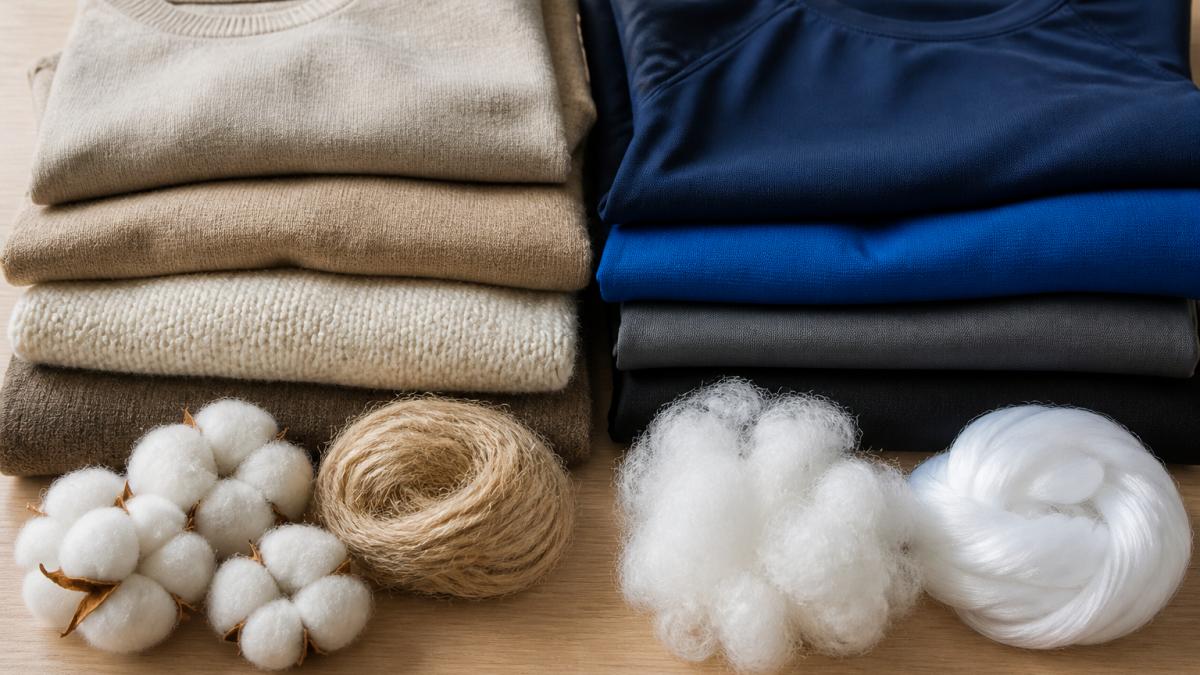
Material sourcing prioritizes certified organic inputs (GOTS-certified organic cotton) or alternatives like recycled polyester, bamboo viscose, or Tencel. The key metric: does the brand disclose where fibers originate?
Ethical manufacturing requires transparent supply chains and fair labor practices. Fair trade certification, direct-trade relationships, and published factory audits signal real commitment. Claims without third-party verification are red flags.
Garment longevity matters because the most sustainable garment is one worn for years. Durable construction, timeless design, and repairability programs extend useful life.
Greenwashing occurs when brands emphasize one dimension while ignoring others. Truly sustainable brands integrate all three.
Moisture-Wicking Street Clothes for Men: Performance Meets Sustainability
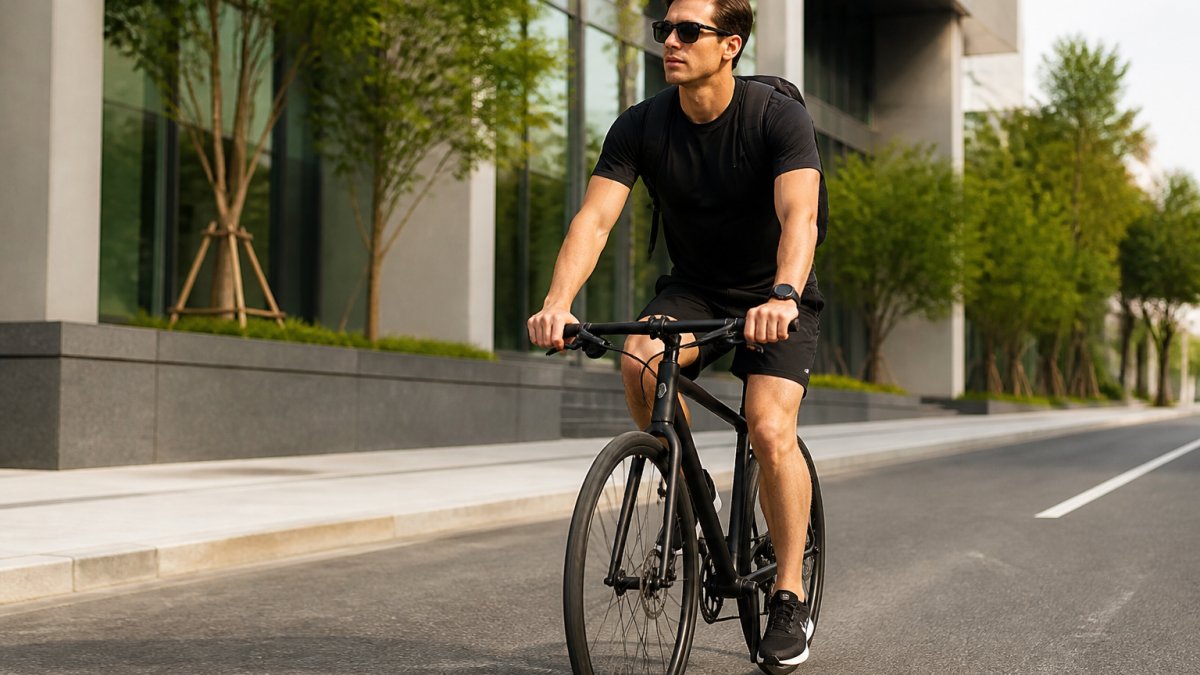
Moisture-wicking street clothes for men are designed for active movement that transitions from gym or trail to urban environments while avoiding microplastic-shedding synthetics.
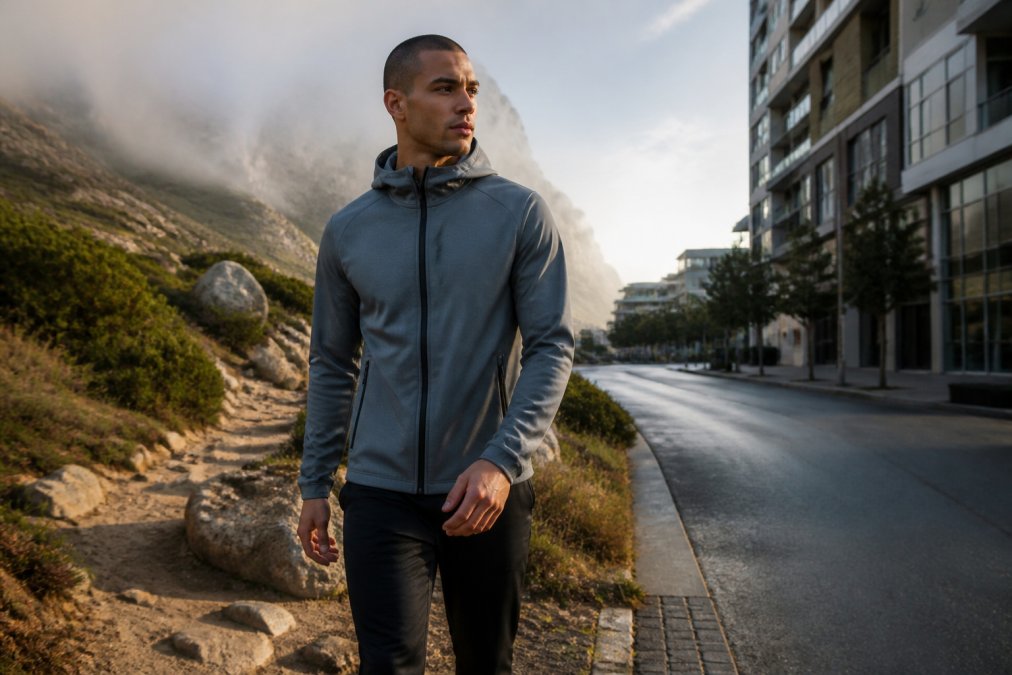
Traditional moisture-wicking uses polyester or nylon, which shed microplastics. Sustainable alternatives include recycled polyester, organic cotton blends, and Tencel, though they don't match synthetic performance in high-intensity activities.
Plant-based and recycled alternatives work well for low-to-moderate intensity activities. For high-intensity training, synthetic blends still outperform.
How to Build a Sustainable Athletic Wardrobe
Building a sustainable athletic wardrobe means investing in pieces that work across multiple contexts and last for years, reducing waste and total spending over time.
Start with Core Basics
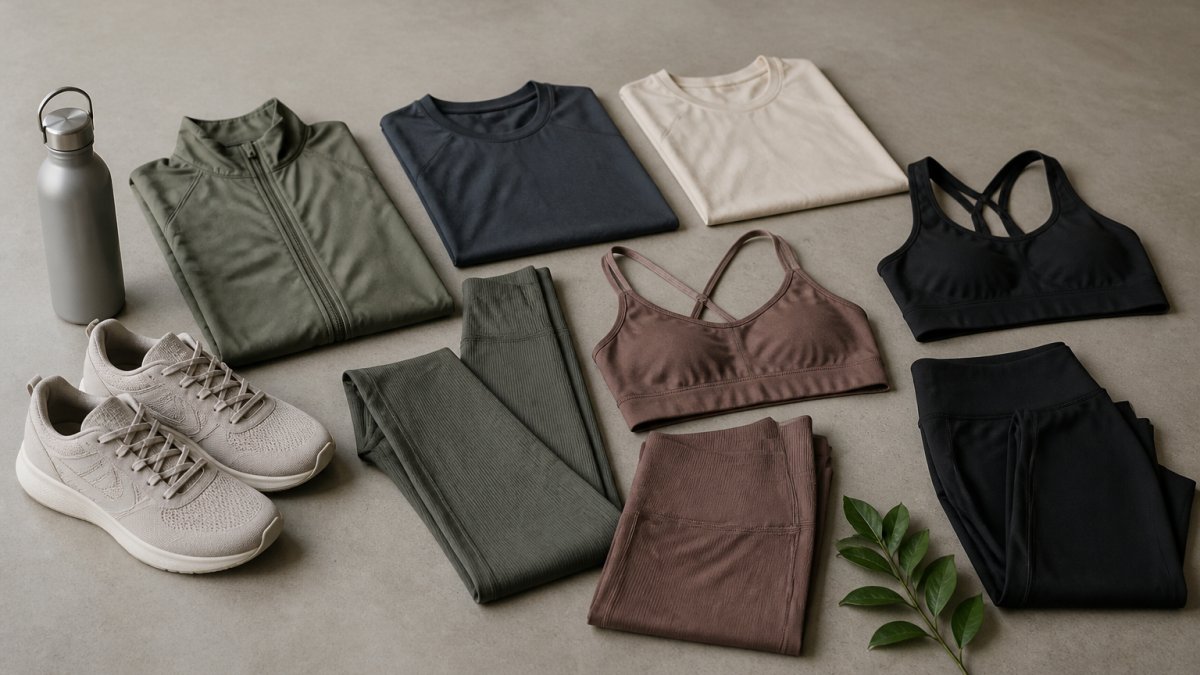
Begin with foundational pieces: a performance t-shirt, moisture-wicking base layer, and versatile shorts or tights. Choose brands offering these in certified sustainable materials based on your activity level.
Pact offers Fair Trade Certified, GOTS-certified organic cotton basics starting around $30, with limited technical features compared to synthetics.
Kotn emphasizes direct-trade relationships with Egyptian cotton farmers and minimalist design, starting around $40.
Prioritize Durability and Versatility
Every piece should work across multiple contexts, casual movement, outdoor adventures, and urban wear, to maximize value per garment.
Look for reinforced seams, quality construction, and timeless silhouettes. Vitality offers inclusive sizing and durable construction starting around $50 with transparent supply chain practices.
Understand Certifications and Labels
Certifications provide third-party verification of sustainability claims. Key certifications include:
- GOTS (Global Organic Textile Standard): Verifies organic fiber content and ethical manufacturing
- Fair Trade Certified: Ensures fair wages and safe working conditions
- Oeko-Tex Standard 100: Tests for harmful chemicals and non-toxic dyes
- Bluesign Approved: Certifies low-impact manufacturing processes
Reprise Activewear specializes in plant-based materials using Tencel and organic cotton blends, starting around $75.
Multiple certifications signal investment in verification. Beware of unverified claims like "eco-friendly" without backing certifications.
End-of-Life Circularity: What Happens After Wear
A truly sustainable brand designs for circularity: recovering materials and reusing or recycling them rather than sending worn clothing to landfills.
Closed-loop systems represent the ideal: brands take back worn garments and remanufacture new products. Few operate at scale, but leading brands are developing take-back programs, often offsetting logistical costs through store credit.
Open-loop recycling sends worn garments to third-party recyclers, diverting waste from landfills but not creating new athletic wear directly.
A brand with an active take-back program demonstrates commitment to circular economy principles. Vague "recycling partnerships" may lack direct oversight.
Ask potential brands directly: Do you have a take-back program? Where do worn garments go? Transparent answers indicate genuine circularity thinking.
Supply Chain Transparency and Ethical Manufacturing
Supply chain transparency separates genuinely sustainable brands from greenwashing. Learn to audit claims yourself.
Building Your Own Supply Chain Verification Framework
Before trusting a brand's sustainability narrative, use this three-step verification process:
Step 1: Locate Factory Information Legitimate sustainable brands publish specific factory names and locations. Vague language like "ethical partnerships" without naming facilities is a red flag. Kotn names its Egyptian cotton farms; Vitality lists specific facilities and audit dates. Brands claiming "proprietary" supply chains deserve skepticism.
Step 2: Verify Third-Party Certifications Fair Trade Certified, GOTS, and Bluesign Approved are third-party verified and audited annually. Search the certification body's directory to confirm. If a brand claims Fair Trade status but doesn't appear in Fair Trade USA's official directory, the claim is unverified.
Step 3: Assess Wage Transparency and Labor Conditions Does the brand publish wage information and disclose living wages versus minimum wages? Brands committed to ethical labor publish annual transparency reports detailing wage ranges, working hours, and safety audits.
Red Flags in Supply Chain Claims
Red flags include: "Ethically sourced" without certification (marketing language); "Transparent supply chain" with no published details (performative); "Direct relationships" without verification; "Sustainable materials" without sourcing data.
What Legitimate Transparency Looks Like
Kotn publishes farmer names and locations; Vitality publishes factory audits and wage information; Reprise discloses material sourcing. Transparency builds trust more effectively than marketing claims.
Living wages, not minimum wages, enable workers to support families. Fair Trade certification commits brands to wage standards above legal minimums, increasing production costs.
Using Public Resources to Verify Claims
Free databases for verification: Fair Trade USA Directory (fairtradeusa.org), GOTS Certified Facilities, Bluesign® Partner Directory, and B Corp Directory (bcorporation.net).
Brands that appear in multiple verified directories have undergone independent auditing. Brands absent from these databases may still be ethical, but their claims lack third-party verification.
The bottom line: don't accept brand marketing at face value. Use these verification steps to audit supply chain claims yourself.
Microplastic Shedding and Fabric Technology Choices
Synthetic fabrics shed microplastics during washing and wear. These microscopic particles accumulate in waterways and eventually enter food chains. The scale of the problem is significant: research indicates that a single synthetic garment can release thousands of microplastic fibers per wash cycle, with polyester and nylon among the highest shedders (pubmed.ncbi.nlm.nih.gov).
Understanding Microplastic Release Across Fabric Types
Not all synthetic fabrics shed microplastics at equal rates. The shedding mechanism depends on fiber structure, weave density, and fabric finishing treatments.
Plant-Based and Natural Fiber Alternatives
Organic Cotton Organic cotton eliminates synthetic microplastic shedding entirely because it's a natural fiber. However, pure organic cotton lacks the moisture-wicking and quick-dry properties of synthetics, making it unsuitable for high-intensity training. Organic cotton works well for low-to-moderate intensity activities and everyday wear. A 100 percent organic cotton t-shirt will not shed microplastics but will absorb moisture and dry slowly compared to synthetic blends.
The Performance-Sustainability Trade-Off
The fundamental tension in sustainable athletic wear is this: synthetic fibers deliver superior moisture-wicking and quick-dry performance but shed persistent microplastics. Plant-based alternatives eliminate microplastic pollution but don't match synthetic performance in high-intensity scenarios.
Practical Strategies to Reduce Microplastic Shedding
Even when wearing synthetic athletic wear, you can reduce microplastic release:
- Wash in cold water: Hot water increases fiber degradation and shedding. Cold-water washing reduces microplastic release by 30-40 percent.
- Use a microfiber-catching washing machine filter: Devices like Guppyfriend bags or washing machine filters capture microplastics before they enter waterways. These are inexpensive (typically $20-$50) and significantly reduce environmental impact.
- Wash less frequently: Every wash cycle sheds fibers. Spot-cleaning and airing out garments between washes reduces shedding frequency.
- Choose tightly woven fabrics: Densely woven synthetic fabrics shed less than loosely woven ones. This is rarely disclosed by brands, but you can assess it by feel, tightly woven fabrics feel smoother and more substantial.
- Prioritize garment longevity: A synthetic piece worn for five years sheds more total microplastics than a plant-based piece worn for two years, but the per-wear impact is lower. Durability matters more than material type alone.
Emerging Fabric Technologies
Innovations in sustainable athletic fabrics continue evolving. Brands are experimenting with:
- Biodegradable synthetic fibers: Researchers are developing synthetic fibers that biodegrade like natural fibers. These remain largely experimental and not yet available at commercial scale.
- Fiber-locking treatments: Coatings that bind fibers more tightly to reduce shedding without compromising performance.
- Blended compositions optimized for shedding reduction: New polyester-plant fiber blends aim to balance performance with lower microplastic release.
Conclusion
Building a sustainable athletic wardrobe requires understanding what sustainability actually means: ethical sourcing, transparent manufacturing, and garment longevity. The brands that deliver across all three dimensions represent the current leaders in sustainable athletic lifestyle apparel.
Frequently Asked Questions
What criteria define a truly sustainable athletic brand in 2026?
A genuine sustainable athletic brand combines three elements: transparent supply chain practices showing where and how garments are made, use of certified materials like organic cotton, recycled polyester, or bluesign-approved fabrics, and commitment to fair wages and ethical labor. Look for brands that publish supply chain information, hold certifications such as Fair Trade or GOTS (Global Organic Textile Standard), and address their carbon footprint through low-impact manufacturing or regenerative agriculture practices. Greenwashing is common, so verify claims through third-party certifications rather than brand marketing alone.
How do sustainable athletic fabrics compare to traditional synthetic materials in performance?
Modern sustainable fabrics offer competitive performance compared to traditional synthetics in moisture-wicking and durability. Recycled polyester reduces environmental impact. Organic cotton and bamboo viscose offer breathability but may require blending with technical fibers for high-intensity workouts. Bluesign-approved fabrics can deliver four-way stretch and sweat-wicking. Sustainable alternatives can reduce water consumption, eliminate toxic dyes, and lower carbon footprint.
Are sustainable activewear brands more durable than conventional options?
Durability depends on construction quality, not sustainability alone. Sustainable brands focused on garment longevity often outperform fast-fashion alternatives because they use higher-quality materials and rigorous durability testing. A Fair Trade-certified piece with careful stitching will outlast a cheaper synthetic garment. However, sustainability and durability are separate attributes. Some conventional brands invest heavily in durability testing; some sustainable brands do not. When comparing options, examine both the material sourcing and the brand's durability claims, warranty, or garment longevity guarantees.
What are the most important certifications to look for in sustainable sportswear?
Priority certifications include GOTS (Global Organic Textile Standard) for organic fiber authenticity, Fair Trade Certified for ethical labor practices and fair wages, and Bluesign Approved for non-toxic dye processes and water conservation. OEKO-TEX Standard 100 ensures the finished garment is free from harmful substances. Look for brands that disclose their supply chain and hold multiple certifications rather than one. Avoid vague claims like 'eco-friendly' without backing. Certifications provide third-party verification of environmental impact and ethical manufacturing, making them far more reliable than brand claims alone.