 how-to
How to Maintain Athletic Fabric Durability
Table of Contents
- Why Athletic Fabrics Break Down (And What You Can Do About It)
- Step 1: How to Wash Moisture-Wicking Fabric the Right Way
- Step 2: Preventing Pilling on Synthetic Fabrics
- Step 3: Air Drying vs Machine Drying Athletic Gear
- Step 4: Smart Storage to Preserve Stretch and Shape
- Common Mistakes That Shorten Garment Lifespan
- Repair and Mending: Fix It Before You Replace It
- Final Checklist for Long-Lasting Performance Gear
- Frequently Asked Questions
Last Updated: September 9, 2026
Athletic fabric durability is the ability of performance garments to withstand repeated washing, friction, and stretching without losing their shape, moisture-wicking properties, or color. Most people blame the manufacturer when their favorite training top pills or loses its stretch, but the real culprit is usually a care routine that fights the fabric's engineered design. We design apparel that moves between city streets and mountain trails, which means we've studied exactly how these materials fail and how to prevent it.
Extending the life of your gear doesn't require delicate handling or expensive products. It requires understanding why synthetic fibers break down and then adjusting a few habits. Below, we'll walk through a step-by-step system covering washing, drying, storage, and repair.
Why Athletic Fabrics Break Down (And What You Can Do About It)
Synthetic performance fabrics are engineered from long-chain polymers, polyester (PET), nylon (polyamide), and elastane (spandex, often a polyurethane-based fiber like Lycra). Their durability hinges on the integrity of these polymer chains. Polyester provides strength and shape retention; nylon adds abrasion resistance; elastane delivers the stretch recovery that keeps a garment snug. When these chains break or slip, the fabric loses its mechanical properties.
The primary agents of degradation are heat, hydrolysis, oxidation, and mechanical abrasion.
Heat and Hydrolysis: High temperatures, from a hot dryer or a hot water wash, accelerate hydrolysis. Water molecules attack the ester linkages in polyester and the urethane linkages in elastane, breaking the polymer chains into shorter segments. This is why a shirt left in a hot car or dried on high heat loses its snap: the elastane fibers literally become shorter and less elastic. The American Cleaning Institute notes that most synthetic garments are safe to wash in cold water, which significantly slows this reaction.
Oxidation: Exposure to UV light and certain chemicals (like chlorine bleach) triggers oxidation, where oxygen atoms bond with the polymer structure, causing discoloration and embrittlement. This is why a swimsuit fades and becomes stiff over time, even if it's never machine-dried. The same process occurs, more slowly, when athletic wear is stored in direct sunlight.
Mechanical Abrasion: The most common cause of pilling and surface fuzz is physical. When fibers rub against each other, or against a rough surface like a gym floor or a washing machine drum, the short fiber ends work loose and tangle into pills. This is exacerbated by high spin speeds and overloading the washer, which increases inter-fabric friction.
The Role of Body Oils and Sweat: Your own biology is a factor. Sweat contains salts (sodium chloride) and urea. Body oils (sebum) are hydrophobic and can coat the fibers, trapping odor-causing bacteria. More critically, the salt from dried sweat can act as an abrasive, and over time, the combination of salt and moisture can accelerate hydrolysis in elastane. This is why rinsing or washing gear promptly after a workout, not letting it sit in a damp gym bag, is a critical durability step.
Understanding these mechanisms changes your approach. You aren't just following a rule; you're protecting specific chemical bonds. A care routine that minimizes heat, avoids harsh oxidizers, reduces friction, and removes biological residues will directly extend the functional life of the polymer chains that give your gear its performance properties.
Step 1: How to Wash Moisture-Wicking Fabric the Right Way
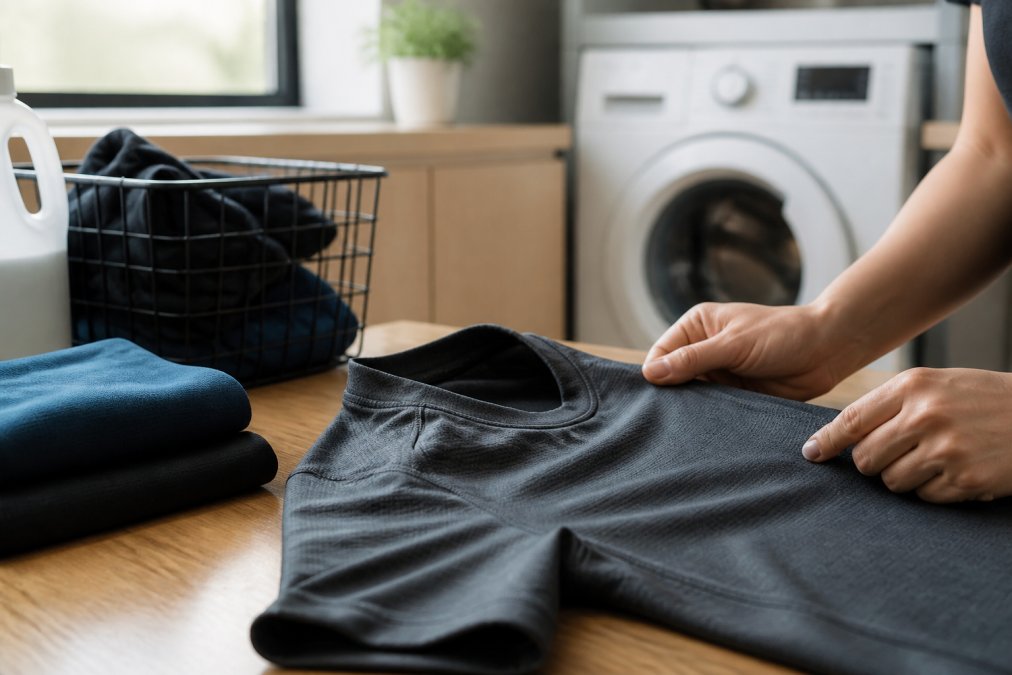
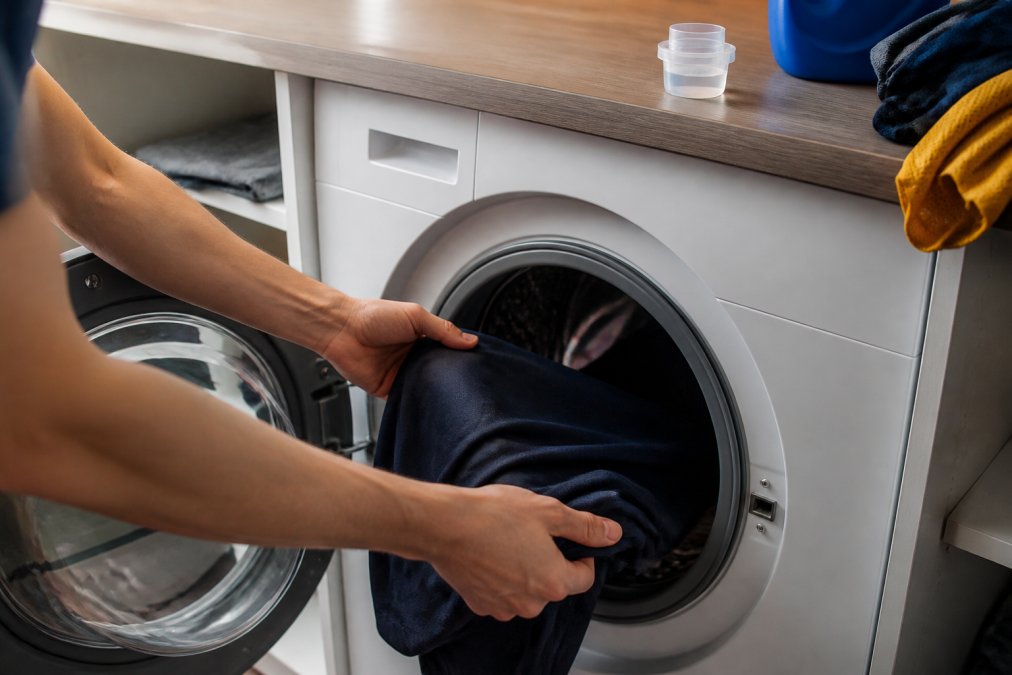
The single most effective habit for preserving athletic fabric durability is washing in cold water on a gentle cycle. Cold water wash prevents the heat damage that accelerates fiber degradation and keeps elastane fibers elastic.
Before washing, turn every garment inside out. This protects the outer surface from abrasion against other items in the drum, which is the primary cause of pilling. Zip any zippers and fasten hooks to prevent snags that compromise seam integrity.
Choosing the Right Detergent and Wash Cycle
Skip the fabric softener entirely. Fabric softeners are designed for cotton towels, not performance synthetics. The waxy film they leave behind traps bacteria, causes odor retention, and reduces moisture-wicking efficiency.
Use a liquid detergent formulated for sportswear or a mild, fragrance-free option. Powdered detergents often fail to dissolve fully in cold water, leaving residue in the fibers. Select the gentle cycle with a lower spin speed to reduce mechanical stress on the fabric.
Step 2: Preventing Pilling on Synthetic Fabrics
Pilling is the formation of small, fuzzy balls on the fabric surface, caused by loose fibers tangling together under friction. It is the most visible sign of wear on synthetic fabrics, and it happens when garments rub against rough surfaces or against each other in the wash.
Prevention starts with sorting. Wash your performance gear separately from heavy items like denim, towels, or garments with zippers and Velcro. The abrasive action of these heavier fabrics against your athletic wear accelerates fiber breakage and abrasion resistance failure.
Place delicate items in a mesh lingerie bag for an extra layer of protection. This reduces friction against the drum and other clothes while still allowing water and detergent to circulate. If pilling does appear, remove it with a fabric shaver designed for synthetics. Shave gently to avoid cutting into the base fabric, which would create a hole and compromise the garment's structural integrity.
Step 3: Air Drying vs Machine Drying Athletic Gear
Air drying is the clear winner for preserving athletic fabric durability. Machine drying exposes elastane and polyester to temperatures that cause irreversible fiber degradation, shrinking, and loss of stretch recovery.
Hang your garments on a drying rack or clothesline in a shaded, well-ventilated area. Direct sunlight can cause colorfastness issues, fading the vibrant dyes used in performance apparel. Reshape the garment while it is damp to maintain its original cut and prevent stretching under its own weight.
If you must use a machine dryer, select the lowest heat setting or a dedicated air-fluff cycle. Remove the items while they are still slightly damp and finish drying them flat. This minimizes heat exposure while still getting the job done. The trade-off is a slightly longer drying time, but the extended garment lifespan justifies the wait.
Step 4: Smart Storage to Preserve Stretch and Shape
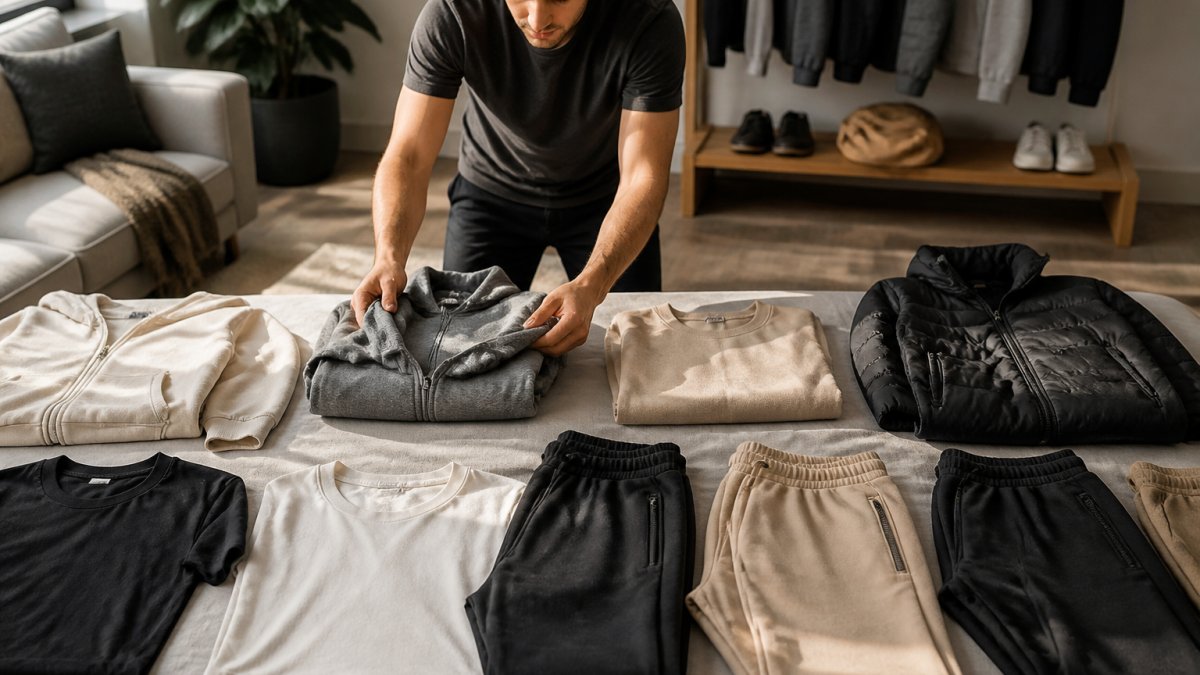
How you store your athletic wear matters as much as how you wash it. Folding is generally safer than hanging for stretchy items, because hangers can create pressure points that stretch out the shoulders and waistband over time.
Fold moisture-wicking shirts and shorts and place them in a drawer. If you prefer to hang them, use wide, padded hangers that distribute the weight evenly across the fabric. Never hang wet garments, as the added weight strains the fibers and can permanently distort the shape.
Store your gear in a cool, dry place away from direct sunlight. Heat and UV exposure accelerate polymer breakdown even when the garment is not being worn. For seasonal items, use breathable cotton storage bags rather than airtight plastic, which can trap moisture and promote bacterial growth and mildew.
Common Mistakes That Shorten Garment Lifespan
Several well-intentioned habits actively destroy performance fabrics. The most damaging is using fabric softeners, which we have already covered, but other errors are just as common.
Washing in hot water is another frequent mistake. Hot water relaxes the polymer structure of elastane and nylon, leading to a loss of shape and stretch recovery after just a few washes. Similarly, using bleach or chlorine-based cleaners oxidizes the dyes and weakens the fibers, causing discoloration and premature failure.
Overloading the washing machine is a quieter culprit. When the drum is packed too tightly, garments cannot move freely, which increases friction and abrasion. This leads to pilling and reduces the cleaning effectiveness of the wash cycle. Finally, ignoring stains and letting them set allows acidic sweat and body oils to break down the fabric over time.
Repair and Mending: Fix It Before You Replace It
A small snag or a loose seam does not mean the end of your garment. While most care guides stop at the washing machine, a true durability strategy includes basic repair. Mastering a few techniques can add months or years to a garment's life, saving you money and reducing textile waste, a significant factor given that the EPA estimates the average person throws away about 81 pounds of clothing annually.
Fixing Snags and Pulls
A snag is a single loop of yarn pulled from the fabric's surface, often catching on a zipper or a piece of gym equipment. The key is to act before the loop is abraded and breaks.
- Use a Snag Repair Tool or Needle: A specialized snag repair tool (available for under $10 at most fabric stores) has a tiny hook that pulls the loop back to the fabric's wrong side. If you don't have one, thread a standard sewing needle with a piece of regular thread. Push the needle from the outside of the fabric to the inside, right at the base of the snag. Hook the snagged loop and gently pull it through to the inside.
- Never Cut the Snag: Cutting a snag flush with the surface leaves a short fiber end that will quickly pill and can unravel further.
- Smooth the Area: Once the loop is pulled through, gently stretch and smooth the surrounding fabric to redistribute the tension and make the repair nearly invisible.
Repairing Loose Seams and Small Tears
Seam failure is often a stress fracture, not a random event. The stitching gives way at points of high tension, the shoulder of a backpack, the inner thigh of running tights.
- Reinforce, Don't Just Restitch: When you see a seam starting to pull, don't wait for a hole. Use a needle and a high-quality polyester thread that matches the original. Polyester thread is UV-resistant and has similar stretch properties to the fabric, unlike cotton thread which can rot and break. Sew several passes over the stressed area, creating a small 'bar tack' to distribute the load.
- Patch Small Holes: For a tear in a non-critical area, a patch is the most durable fix. Use a piece of iron-on nylon repair tape (often sold for tents and outerwear) on the inside of the garment. For a more permanent solution on stretchy fabrics, use a small piece of a similar synthetic fabric and a flexible, washable textile adhesive like Gear Aid's Seam Grip or a fabric glue designed for performance wear. Apply the adhesive to the patch, press it over the tear from the inside, and let it cure for 24 hours.
When to Retire a Garment
Repair isn't always the answer. If the elastane has completely broken down, the fabric feels baggy, has lost its recovery, and no longer hugs the body, no amount of stitching will restore its performance. Similarly, if a tear is in a high-movement area like the crotch or underarm, a patch may restrict motion and cause chafing. In these cases, the most sustainable option is to repurpose the garment (as a cleaning rag) and replace it with a new piece.
A Proactive Mending Kit
Keep a small kit ready so you can fix issues immediately. A basic kit includes:
- A snag repair tool or fine-tipped needle
- Polyester thread in a few common colors (black, gray, navy)
- A small pair of sharp scissors
- Iron-on nylon repair tape
- A tube of flexible fabric adhesive
Addressing a snag or seam pull the moment you see it is a five-minute job. Ignoring it can turn a minor fix into a terminal failure. This proactive approach is the final pillar of a comprehensive durability routine, one that goes beyond washing to actively extend the life of the gear you rely on.
Final Checklist for Long-Lasting Performance Gear
Extending the life of your athletic apparel comes down to consistent, gentle habits. Wash in cold water on a gentle cycle with a sport-specific detergent, and never use fabric softener. Air dry your gear away from direct sunlight to protect elastane from heat damage. Fold your garments for storage rather than hanging them, and address any snags or loose seams as soon as they appear.
The American Cleaning Institute's guide on fabric care confirms that cold water washing is effective for most synthetic garments and reduces energy consumption. Research on fiber degradation from the Textile Research Journal supports the connection between heat exposure and loss of tensile strength in elastane blends. For additional guidance on sustainable garment care practices from the EPA, the agency recommends washing full loads and air drying to reduce environmental impact.
The effort is minimal, but the payoff is significant: your gear maintains its moisture-wicking performance, keeps its shape, and looks sharper for years. At Tremendous World, we build our apparel to handle the transition from mountain trails to city streets, and we believe it should last as long as your ambitions demand.
Caring for performance fabrics is a skill, and most active people were never taught it. The difference between gear that falls apart in six months and gear that lasts for years is rarely the price tag, it is the routine. Tremendous World designs premium athletic lifestyle apparel that is built for the demands of both the gym and the trail. Explore our collection of versatile, durable pieces and get started with Tremendous World to see how proper care keeps you moving.
Frequently Asked Questions
How do I prevent pilling on my workout clothes?
Preventing pilling on synthetic fabrics starts with washing them inside out in a cold water gentle cycle. Pilling happens when loose fibers tangle on the surface, often caused by friction with other garments. Skip fabric softeners, which coat fibers and increase friction. Air-dry your gear instead of using a machine dryer, as the tumbling action pulls fibers loose. For existing pills, use a fabric shaver designed for delicates to clean up the surface without damaging the fabric.
Should I use fabric softener on athletic gear?
No. Fabric softeners leave a waxy coating on synthetic fibers that clogs the moisture-wicking channels and traps odor-causing bacteria. This coating also reduces breathability and makes the fabric less effective during high-intensity activity. Instead, use a small amount of sport-specific detergent or a mild, fragrance-free option. If static cling is a concern, a capful of white vinegar in the rinse cycle acts as a natural softener without leaving residue.
Does 100% cotton last longer than polyester for athletic wear?
Cotton may feel sturdy, but it breaks down faster under athletic use. Cotton absorbs sweat, becomes heavy, and loses tensile strength when wet, leading to stretching and tearing. Polyester and other synthetic fibers are hydrophobic, dry quickly, and resist abrasion, making them more durable for performance. The trade-off is that synthetics can retain odors if not washed properly. For longevity, choose blends with elastane for stretch recovery and follow cold water wash and air-dry care steps.