 listicle
Best Moisture-Wicking Shirts for City to Trail Running
Table of Contents
- Best Moisture-Wicking Shirts for Every Runner
- How to Choose Trail Running Apparel That Works on Pavement Too
- Synthetic vs Merino Wool Running Shirts: Which Fabric Wins
- Key Features That Matter: Breathability, Ventilation, and Anti-Chafe Design
- Moisture-Wicking Fabric Care Tips to Extend Shirt Life
- Transitioning from City Pavement to Rugged Trails: What Your Shirt Needs to Handle
- Sustainability and Microplastic Shedding: What You Should Know
- Conclusion
- Frequently Asked Questions
Last Updated: September 27, 2026
Best Moisture-Wicking Shirts for Every Runner
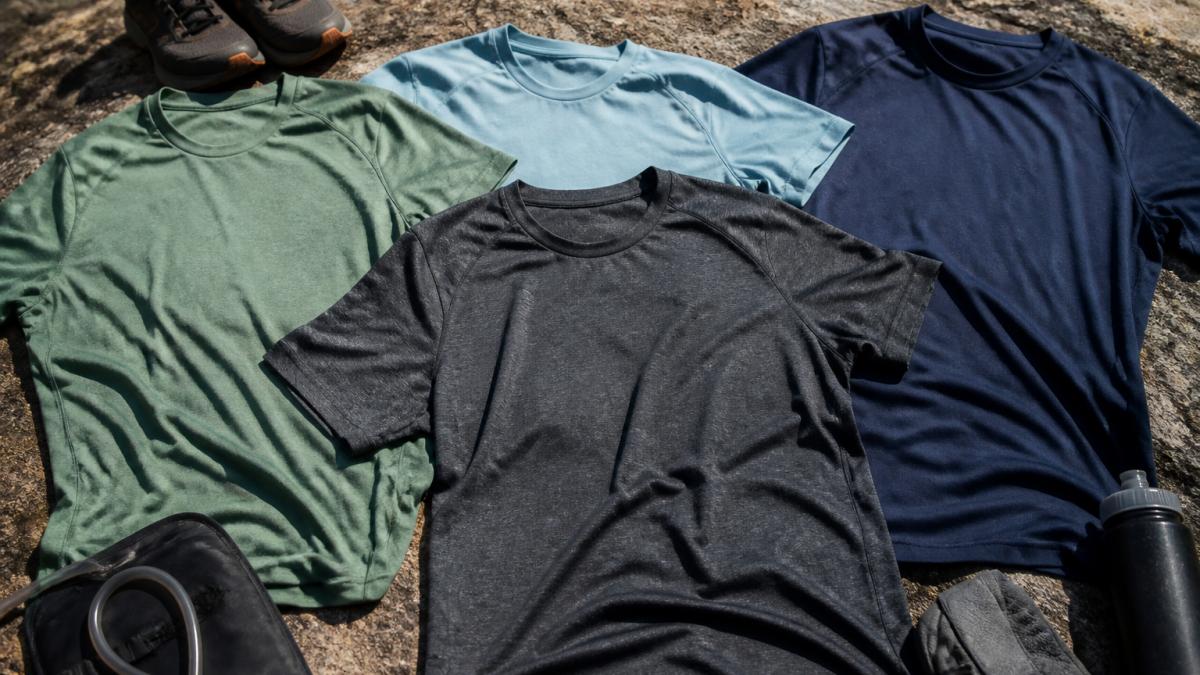
Running demands versatility, city pavement one day, mountain trails the next. Your shirt must wick sweat efficiently on both surfaces while handling unpredictable terrain and weather. This guide from Tremendous World covers the best moisture-wicking shirts for runners balancing urban performance and trail durability.
The right moisture-wicking shirt delivers comfort during long distances, durability through repeated washes, and reliability across both pavement and trails. The options below solve real problems city-to-trail runners face.
Quick Comparison Table
| Shirt | Best For | Starting Price | Key Strength |
|---|---|---|---|
| Tremendous World Performance Tee | City-to-trail versatility | Visit site for pricing | Premium athletic lifestyle design |
| Patagonia Capilene Cool Ultra | Long-distance trail running | $59.00 | Advanced moisture-wicking technology |
| Ten Thousand Interval Shirt | Gym and trail training | $50.00 | Durable anti-odor synthetic blend |
| Quince Flowknit Breeze Tee | Budget-conscious runners | $30.00 | High-value lightweight performance |
| Adidas ADI365 Climacool | City running and road training | $35.00 | Ventilation zones for temperature control |
| Roark Bless Up Trail Shirt | Technical trail running | $73.93 | Button-down style for rugged terrain |
| Patagonia Capilene Cool Daily | Multi-sport training | $45.00 | Odor control and soft hand-feel |
| Hoka Performance Tee | Gym workouts and short runs | $48.00 | Anti-chafe mesh panels |
How to Choose Trail Running Apparel That Works on Pavement Too
City running demands consistent friction, steady moisture output, and aesthetic appeal. Trail running introduces variable effort, unpredictable weather, brush contact, and packability needs. Understanding these distinct demands guides fabric and construction choices.
For city-to-trail runners, mid-weight synthetic blends (3.5-5 ounces) offer the best compromise, light enough to pack on trails, durable enough for repeated urban washes. Polyester-nylon blends (88% polyester, 12% nylon) provide superior moisture transport on pavement while nylon adds abrasion resistance for trail contact.
Back length matters: city shirts measure 27-29 inches; trail designs extend to 29-31 inches for climbing coverage. Test sleeve length by wearing your pack during a trial run, sleeves that feel fine unloaded often shift uncomfortably under load.
Narrow, high armholes restrict shoulder mobility needed for climbing. Trail-optimized shirts feature dropped armholes (1-2 inches lower) that accommodate wider arm range and prevent chafing during longer efforts.
Shoulder seams must sit directly at your shoulder joint to avoid pack strap pressure. Side seams should follow your ribcage's natural line. Flatlock or tape-sealed seams are mandatory; raised seams cause chafing within 3-5 miles on trails.
Test breathability in both environments before committing, a shirt breathable at steady city pace may overheat during steep trail climbs. Use 30-day returns to test on both pavement and technical terrain. Pay attention to how the fabric feels when wet.
Lightweight synthetics (3-4 ounces) compress to water-bottle size, critical for longer trail efforts. Heavier merino (5-6 ounces) packs larger but offers temperature-regulation benefits.
Trail running (2-4 hours with delayed washing) demands better odor control than city running. Merino wool naturally resists odor; synthetics rely on chemical treatments that degrade with washing. For extended trail efforts, prioritize merino or synthetics rated for 50+ washes.
Some runners own two shirts, lightweight synthetic for city and warm-weather trails, merino for cool-weather trail work. Others choose mid-weight synthetic that performs adequately across all conditions. Your choice depends on budget and acceptable performance variation.
Synthetic vs Merino Wool Running Shirts: Which Fabric Wins
Synthetic fabrics move sweat away faster than any natural fiber, supporting evaporation during intense efforts. Merino wool absorbs moisture into the fiber, then releases it gradually, creating temperature regulation and natural odor resistance. Synthetics dry faster for city running and gym workouts; merino excels on longer trail efforts with temperature fluctuations. For city-to-trail runners, synthetic blends offer better all-purpose performance.
Key Features That Matter: Breathability, Ventilation, and Anti-Chafe Design
Breathability measures how efficiently air passes through fabric; ventilation refers to strategically placed mesh zones. A shirt can be highly breathable but lack ventilation zones, or have excellent ventilation but tight base fabric. Both matter for overall performance.
Hold the shirt to light, you should see light passing through. Run your hand across the fabric, it should feel slightly textured, not smooth and dense. Textured weaves create micro-air channels that enhance evaporation. Quality moisture-wicking shirts use open-weave constructions with 50-70% air permeability.
Ventilation zones target primary heat-generation areas: upper back (climbing), underarms (arm movement), and chest. High-performance trail shirts include nylon mesh panels with 80-90% open area for maximum airflow while maintaining structural integrity.
Optimal ventilation placement: underarm mesh in the true armpit area, extending 2-3 inches down the ribcage; back ventilation from mid-shoulder blade to mid-back, covering pack frame contact zones.
Flatlock stitching eliminates raised seams that cause chafing. Standard stitching creates a ridge that irritates skin under pressure; flatlock seams are sewn flat, creating a smooth surface. Run your finger across seams, flatlock feels nearly flush; standard seams create a noticeable ridge.
Shoulder seams should sit directly at your shoulder joint. Side seams should run along your natural ribcage curve. Underarm seams should sit in the true armpit. Quality trail shirts position all seams to avoid pack contact zones.
Four-way stretch fabric (5-15% elastane) stretches in all directions, accommodating city running's varied paces and trail running's climbing, descending, and technical movements. Two-way stretch stretches only horizontally, limiting vertical and diagonal movement.
A 3-4 ounce shirt compresses to water-bottle size; 5-6 ounces compresses to grapefruit size. On longer trail efforts, lighter shirts mean more room for water and nutrition. The ideal balance is 3.5-4.5 ounces, light enough to pack, heavy enough to withstand trail contact and washing.
Hydrophobic treatments repel external moisture while allowing sweat to escape, lasting 20-30 washes (premium treatments claim 50+). Test by pouring water on the shirt, it should bead up and roll off. Most quality synthetics blend hydrophobic outer surfaces with hydrophilic inner surfaces to repel environmental water while pulling sweat away from skin.
Smooth, slick fabrics cause chafing as sweat accumulates; textured fabrics maintain grip against skin, preventing shifting and irritation. The shirt's interior should feel slightly textured, not slick.
Dark colors absorb heat; light colors reflect it. On city pavement with urban heat island effects, light colors provide measurable cooling. For dual-use runners, mid-tone colors (gray, navy, olive) offer compromise.
Trail shirts use heavier constructions (4-5 ounces) than road shirts (3-4 ounces) to withstand brush and rock contact. Check for reinforced underarms, shoulder seams, and side seams. Quality trail shirts feature double-stitched seams in high-stress areas.
Moisture-Wicking Fabric Care Tips to Extend Shirt Life
Wash in cool water with gentle, technical-fabric detergent. Skip fabric softener, it coats fibers with waxy substances that counter moisture-wicking. Air dry or use low heat; high temperatures damage synthetics and degrade treatments. Wash inside-out to protect logos and reduce pilling. For merino, use wool-specific detergent and avoid bleach. Store flat or folded to prevent shoulder seam stress.
Transitioning from City Pavement to Rugged Trails: What Your Shirt Needs to Handle
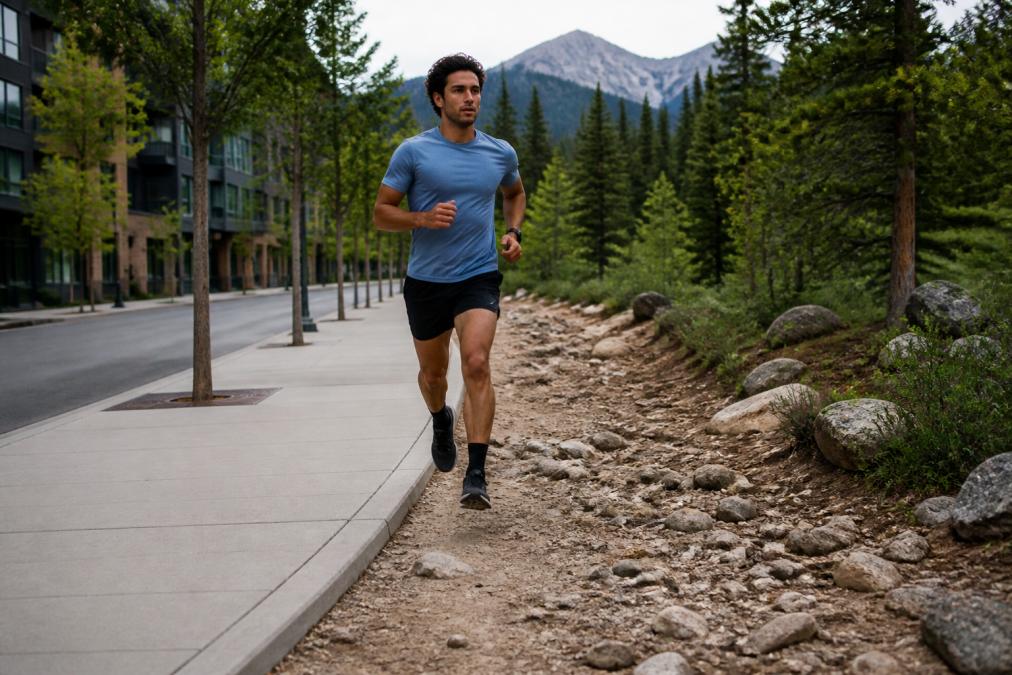
Trail running demands reinforced seams, durable construction, and enhanced ventilation to manage explosive climbs and rapid cooling on descents. Weather exposure increases dramatically, trails expose you to wind, rain, and sun for extended periods. Choose a shirt engineered for trail performance with city-compatible aesthetics, featuring reinforced seams, enhanced ventilation zones, and durable synthetic blends. Trail-specific cuts include longer back panels and articulated sleeves that accommodate climbing posture.
Sustainability and Microplastic Shedding: What You Should Know
Synthetic moisture-wicking fabrics shed microplastics during washing. This environmental concern affects all polyester-based performance shirts, not just budget options. Every wash releases tiny plastic fibers into water systems where they persist indefinitely.
The scale matters.
Conclusion
The best moisture-wicking shirts for city to trail running combine synthetic efficiency with trail-ready durability. Your choice depends on whether you prioritize rapid drying for urban efforts or temperature regulation for extended trail time.
Frequently Asked Questions
What is the difference between moisture-wicking and Dri-FIT fabrics?
Moisture-wicking is the broader technical function: fabrics pull sweat away from skin and move it outward where it evaporates. Dri-FIT is Nike's branded moisture-wicking technology. All Dri-FIT fabrics are moisture-wicking, but not all moisture-wicking shirts use Dri-FIT. Look for polyester blends, merino wool, or synthetic fibers engineered for rapid evaporation and quick-dry performance regardless of brand.
Can I wear the same moisture-wicking shirt for city streets and mountain trails?
Yes, but choose carefully. Shirts with four-way stretch, ergonomic seams, and flatlock stitching handle both environments well. For trails, prioritize durability and anti-chafe construction; for city running, breathability and style matter more. Mid-range technical shirts bridge both needs effectively without sacrificing either performance or aesthetics.
How do I maintain the moisture-wicking properties of my athletic gear?
Wash in cold water with minimal detergent to preserve hydrophobic and hydrophilic treatments. Avoid fabric softener and bleach, which coat fibers and block moisture transport. Air-dry whenever possible; high heat damages synthetic fibers and breaks down wicking coatings. Wash inside-out to reduce pilling and extend the lifespan of anti-odor treatments.
Which moisture-wicking running shirt is best for high-intensity workouts?
Look for lightweight construction with ventilation zones in high-sweat areas like the chest and back. Polyester blends with four-way stretch and mesh panels offer superior airflow and thermoregulation. Some shirts excel here, featuring engineered breathability and odor control for sustained intensity without moisture buildup.