 blog
Breathable Athletic Wear for Hot Weather Commuting
Table of Contents
- Why Breathable Athletic Wear Matters for Hot Weather Commuting
- Best Fabric for Hot Weather Workouts and Commutes
- Moisture-Wicking Clothes for Hot Weather Performance
- Cooling Shirts for Walking in Hot Weather
- Hot-Weather Cycling Clothes and Commute-Specific Gear
- Work-Appropriate Styling and Changing Logistics
- Fabric Care and Durability for Long-Term Wear
- Frequently Asked Questions
Last Updated: October 18, 2026
Why Breathable Athletic Wear Matters for Hot Weather Commuting
Breathable athletic wear for hot weather commuting is the difference between arriving fresh and arriving drenched.
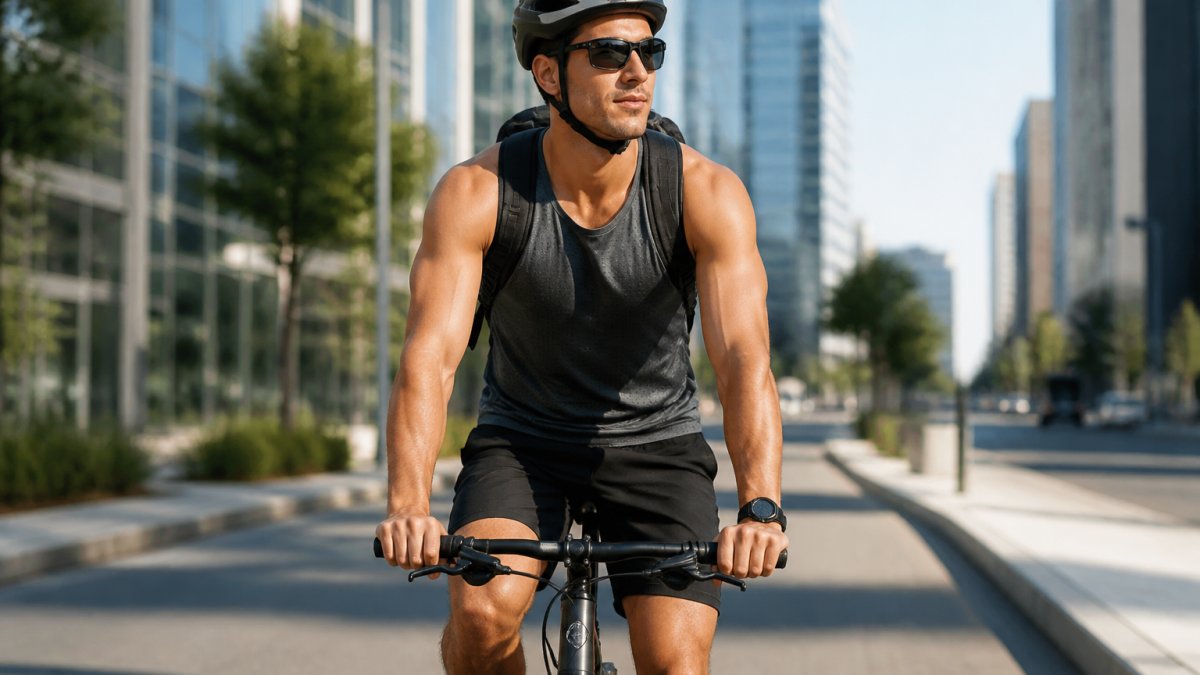
At Tremendous World, our collection is built around this tension: apparel that manages sweat without looking soaked and transitions from commute to meeting to weekend.
Functional gear prioritizes ventilation, pulls moisture from skin, and stays lightweight. Most commuters either overspend on premium brands with unneeded features or underspend on basics that fail in tough conditions.
Poor moisture management causes chafing, odor, and stickiness that undermine confidence before you arrive. Breathable athletic wear for hot weather commuting solves these problems by design.
Best Fabric for Hot Weather Workouts and Commutes
Fabric determines how quickly sweat evaporates, how long the garment lasts, and whether you'll reach for it on humid mornings.
Polyester and Nylon Blends
Polyester dominates performance apparel because it's hydrophobic: sweat moves away from skin rather than soaking in. Nylon adds durability and a softer feel while staying quick-drying.
A typical blend runs 85% polyester to 15% nylon: polyester handles moisture, nylon adds stretch and wear resistance. It excels in hot-weather cycling and urban commutes.
The trade-off: synthetics don't breathe as naturally as some alternatives, so when stationary in heat they cool less efficiently than natural fibers. For active commuting, this rarely matters.
Recycled Fibers and Sustainable Options
Recycled polyester wicks nearly identically to virgin polyester, since it's the same chemical structure. Bamboo viscose adds softness and natural antimicrobial properties that reduce odor.
Bamboo viscose feels luxurious and handles sweat well, though it requires gentler washing (cold water, delicate cycle) to last.
The limitation: sustainable options cost more. For commuters wearing gear multiple times weekly, durability justifies the premium; for weekend-only use, standard polyester-nylon blends deliver the same function for less.
Moisture-Wicking Clothes for Hot Weather Performance
Moisture-wicking is physics: capillary action moves sweat from skin to the outer surface where air evaporates it. The best moisture-wicking clothes for hot weather combine hydrophobic inner fibers (polyester, nylon) with a loose weave for airflow.
A commuter faces a sequence of conditions in one trip: 78°F morning air at 70% humidity, a crowded train, four blocks in direct sun, then a 68°F air-conditioned office. Wicking performance must hold up across that entire arc.
How Commute Conditions Change the Fabric Math
Heat and humidity. When humidity is high, evaporative cooling slows because the air is near saturation.
Direct sun. Dark, tightly woven synthetics absorb solar heat.
Wind. Cycling generates airflow that helps evaporation but strips heat fast once you stop. A wind-resistant front panel prevents the chilled, clammy feeling when you coast to a light.
Sudden rain. A fully waterproof shell traps heat and defeats breathability. For short commutes, a lightweight packable water-resistant layer you remove after the rain beats a permanently waterproof jacket.
Transit and indoor transitions. On a crowded train, airflow drops to near zero, and fabric that holds moisture against skin feels cold and sticky.
The Fit-and-Ventilation Rule
Performance depends on fit and ventilation as much as fabric. A clinging moisture-wicking shirt won't cool you because air can't reach the fabric surface; looser fits with strategic mesh panels outperform tight premium fabrics without ventilation.
For commuting, moisture-wicking clothes for hot weather must handle variable conditions: wicking sweat when active, drying quickly when not. Synthetic blends excel because they don't retain moisture the way cotton does.
What to Prioritize by Commute Type
| Commute pattern | Priority | Why |
|---|---|---|
| Walk + transit, 30-45 min | Loose weave, light color, quick-dry | Long stationary stretches on transit reward fast moisture release |
| Bike, 15-30 min | Ventilated back and sides, wind-resistant front | Airflow helps while moving; wind chill hits when you stop |
| Mixed walk/bike + office | Neutral color, fitted-but-not-tight cut, odor control | Must look presentable without a full change |
| Long ride, 60+ min | Flatlock seams, chamois or seam-free short, high ventilation | Repetitive motion and saddle time drive chafe risk |
Many daily commuters keep two tiers: a lighter, more ventilated set for the hottest weeks and a structured set for milder days. That costs less than chasing a single "do-everything" garment and performs better across the season.
Cooling Shirts for Walking in Hot Weather
Walking in heat differs from running or cycling: speed is lower, so wind cooling is minimal and direct sun matters more. Cooling shirts for walking in hot weather must balance moisture management with UV protection.
Mesh Panels and Ventilation Design
Strategic mesh panels create air channels against skin, allowing moisture escape and air circulation. The best cooling shirts for walking in hot weather feature mesh along the back, underarms, and sides, where sweat accumulates most.
The principle: concentrated ventilation where you need it most, durable fabric elsewhere for structure and coverage. Mesh only on the back won't cool your underarms; an all-mesh shirt sacrifices durability.
Fine mesh feels luxurious but tears easily; coarser mesh resists damage but feels scratchy. Mid-weight mesh hits the sweet spot: breathable enough for cooling, durable enough for regular washing.
Sleeveless Tanks and Racerback Options
Sleeveless designs maximize shoulder and arm exposure, letting heat escape more efficiently than short sleeves. Racerback construction reduces shoulder strain during commutes with backpacks or bags.
Sleeveless tanks work best for dedicated workout or commute time; if you need to transition directly into a work setting, you'll want a layer. Racerback designs look athletic but acceptable in casual office environments.
The fit matters here. A loose sleeveless tank provides maximum airflow but looks sloppy. A fitted racerback maintains shape and looks intentional. Most commuters prefer fitted options because they transition better from commute to destination without requiring adjustment.
Hot-Weather Cycling Clothes and Commute-Specific Gear
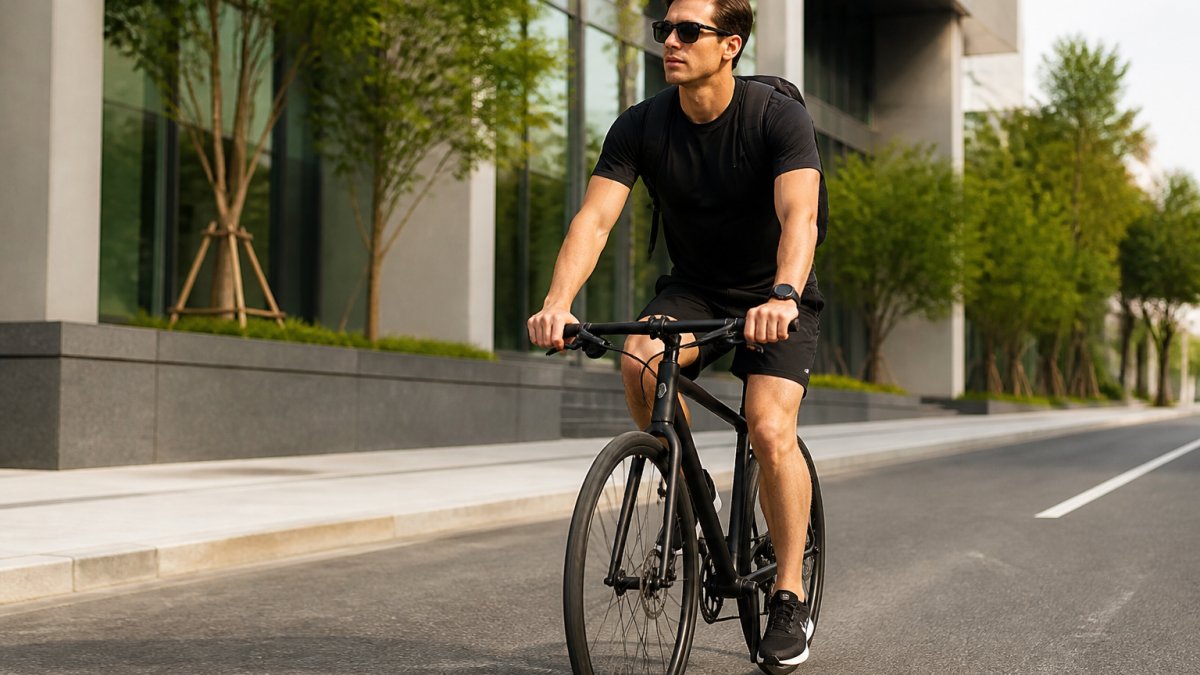
Cycling in heat demands more from your apparel than walking. Higher speeds create wind, but also generate significant body heat. Hot-weather cycling clothes must manage moisture while staying secure during movement.
Cycling-specific designs include shorter inseams to prevent fabric bunching at the pedal, flatlock seams that won't chafe during repetitive motion, and sometimes chamois padding for comfort on longer rides.
The real consideration: how much time do you spend in motion versus stationary? A 20-minute commute demands different priorities than a 90-minute weekend ride. Commute-specific gear emphasizes quick transitions and professional appearance.
Tremendous World builds commute-specific pieces that bridge this gap. You get the ventilation and moisture-wicking of performance gear with the aesthetic polish for mixed-use situations. No need to carry a separate outfit for the office.
Work-Appropriate Styling and Changing Logistics
This is where most athletic wear fails commuters. You can buy the most breathable, moisture-wicking shirt available, but if it looks like gym wear, you can't wear it to your 10 a.m. meeting.
The solution isn't compromise on performance, it's strategic design. Neutral colors (charcoal, navy, black, olive) read as professional rather than athletic. Fitted cuts that follow your body without looking tight work in offices.
Changing logistics matter too. If your workplace lacks shower facilities, you need gear that dries quickly and doesn't leave visible sweat marks.
The best approach: choose pieces that work in multiple contexts without requiring a complete change. A breathable athletic tank in charcoal works under a blazer or button-up shirt.
Fabric Care and Durability for Long-Term Wear
Premium breathable athletic wear demands proper care to maintain performance.
Wash in cold water to preserve elasticity and moisture-wicking coatings. Hot water breaks down the polymers that make the fabric hydrophobic. Use gentle detergent, heavy surfactants can clog the fabric's moisture pathways.
Dry on low heat or air dry when possible. High heat degrades synthetic fibers and can damage any water-repellent treatments. If you machine dry, remove items while slightly damp to prevent over-drying.
Durability depends on frequency of use. Gear worn 3-4 times weekly lasts 18-24 months before noticeable performance decline; weekend-only pieces last 3+ years.
Storage matters too. Keep breathable athletic wear in a cool, dry place. Humidity and heat degrade synthetic fabrics even when not in use.
Care Choices That Matter Most for Commuters
A commuter's gear faces a different wear pattern than a gym-only wardrobe: worn in street air, on transit, and under a bag strap, then washed more often. Three care habits make the biggest difference.
Wash after every wear in hot weather. Odor-causing bacteria multiply fast in damp synthetic fabric.
Turn garments inside out before washing. This protects the outer face from pilling against zippers and bag straps, and it lets detergent reach the skin-side fibers where odor and body oils concentrate.
Skip the dryer for anything with mesh or a coating. Mesh panels are the first thing to snag and distort in a hot drum, and heat-set treatments lose effectiveness with repeated high heat.
Packability, Wrinkle Resistance, and the Changing Logistics
If your commute ends at a desk, the garment has to survive being folded into a bag or worn under a layer without looking crushed. Knit synthetics with some elastane recover from folding better than woven fabrics; tightly woven performance shirts wrinkle less than loose knits but breathe less. The right answer depends on whether you'll change at the office or wear the piece straight to your desk.
For packability, roll rather than fold, and choose pieces with flatlock seams and minimal structure. A lightweight, unstructured top compresses to the size of a paperback and shakes out with few creases. Structured collars and heavy zippers don't pack well and aren't necessary for most commutes.
Inclusive Fit and Accessibility
Most athletic-wear roundups assume a narrow range of bodies and needs. A commuting guide shouldn't.
Modesty and coverage preferences also shape what "breathable" means in practice. Loose, long-sleeve lightweight tops and wider-leg shorts can be as cool as tanks and short shorts when the weave is open and the color is light, and they suit commuters who prefer more coverage at the destination.
Adaptive features deserve the same attention. Easy-grip zippers, magnetic closures, seated-friendly cuts, and tops that work with a prosthetic or a wheelchair's backrest are practical ventilation and comfort decisions, not afterthoughts.
| Fabric Type | Moisture-Wicking | Durability | Care Complexity | Best For |
|---|---|---|---|---|
| Polyester-Nylon Blend | Excellent | High | Low | Daily commuting |
| Recycled Polyester | Excellent | High | Low | Eco-conscious commuters |
| Bamboo Viscose | Good | Medium | Medium | Comfort-focused users |
| Mesh Panels | Excellent | Medium | Low | Hot-weather ventilation |
Frequently Asked Questions
What fabric is best for breathable athletic wear in hot weather?
Polyester and nylon blends are industry standards for hot-weather breathable athletic wear because they wick moisture away from skin and dry quickly. Look for four-way stretch fabrics that offer freedom of movement. Recycled polyester performs identically to virgin polyester while reducing environmental impact. Bamboo-derived viscose provides natural breathability and softness, though it requires more careful washing. Avoid 100% cotton for commuting; it absorbs sweat and stays wet against your skin, making you feel heavier and hotter.
How does moisture-wicking clothing help during a hot weather commute?
Moisture-wicking fabrics pull sweat away from your skin and move it to the fabric's outer surface, where it evaporates quickly. This keeps you dry, prevents chafing, and reduces odor buildup during your journey. The result is faster cooling and greater comfort when you arrive at your destination. For commutes longer than 20 minutes in heat above 80°F, moisture-wicking becomes essential to avoid arriving drenched and uncomfortable.
What features should I look for in cooling shirts for walking in hot weather?
Prioritize mesh panels in high-sweat zones (underarms, back), sleeveless or racerback designs for maximum airflow, and lightweight fabrics under 5 ounces. Four-way stretch improves comfort during movement. Light colors reflect heat better than dark colors. Look for integrated ventilation rather than heavy layering. Relaxed fits allow air circulation without restricting movement. Test the fabric's weight by holding it up to light; thinner fabrics dry faster and feel cooler against skin.
Are hot-weather cycling clothes different from running or walking wear?
Yes. Cycling clothes need integrated inner shorts to prevent chafing during repetitive pedaling motion, longer inseams for coverage while seated, and reinforced seams at stress points. Running and walking wear prioritize ventilation and lightweight construction. Cycling-specific fabrics often include chamois padding or anti-chafe treatments. If you commute by bike, choose cycling-specific shorts or leggings rather than generic athletic wear to avoid discomfort on longer rides.