 blog
Urban Hiking Outfits That Don't Scream Hiker
Table of Contents
- Why Urban Hiking Outfits Need a Different Approach
- How to Style Joggers for Men Without the Technical Look
- How to Wear Joggers Without Looking Sloppy on City Walks
- Men's Athletic Streetwear Outfits for Urban Exploration
- Technical Clothing Street Style: Blending Function and Fashion
- Footwear That Works for Both Long Walks and City Dining
- Building a Capsule Wardrobe for Weekend Adventures
- Frequently Asked Questions
Last Updated: October 12, 2026
Why Urban Hiking Outfits Need a Different Approach
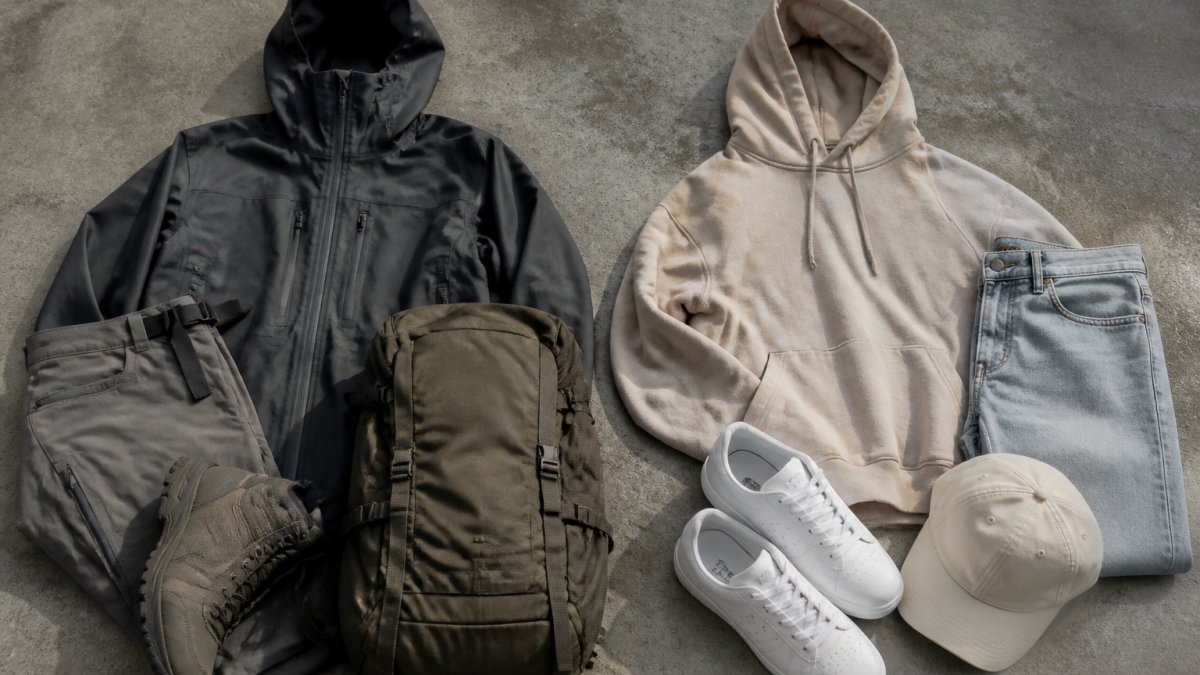
The problem with most urban hiking outfits is obvious the moment you step off the trail: a full technical kit built for mountain conditions, worn in a coffee shop. Moisture-wicking fabrics, cargo pockets, and logos screaming "outdoor gear" clash with city life.
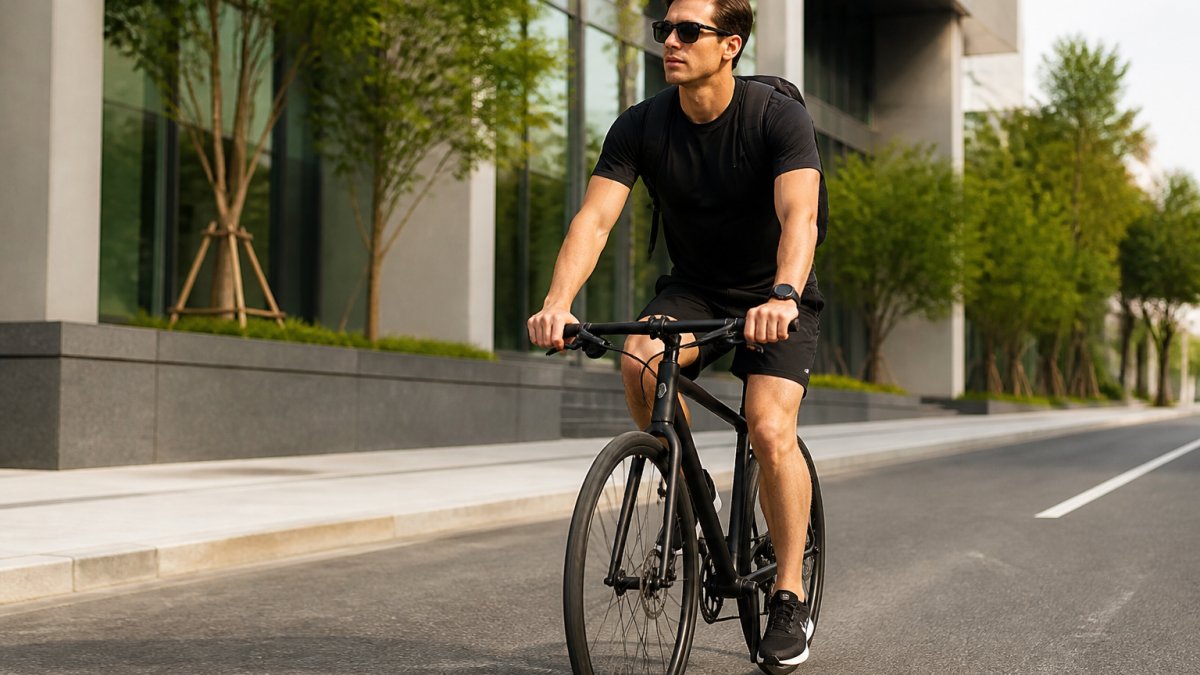
The goal isn't to abandon function. It's to build urban hiking outfits that perform on long walks while fitting into your actual life. At Tremendous World, we design premium athletic lifestyle pieces that look intentional.
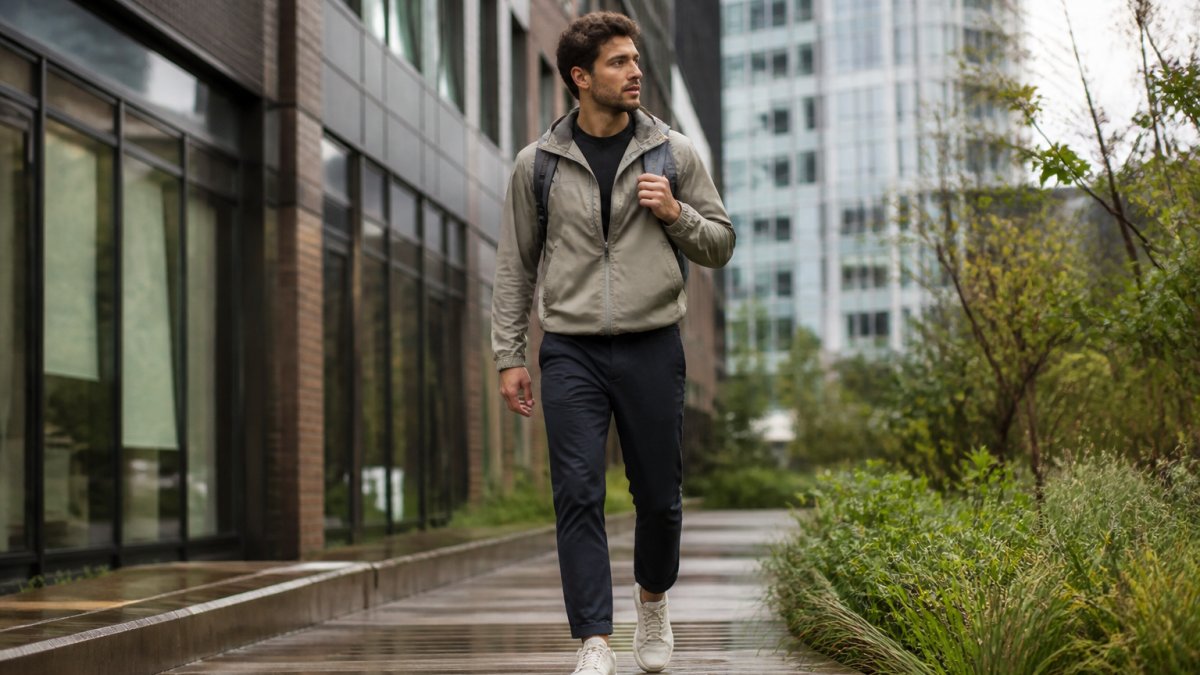
The shift starts with a mindset change: instead of "hiking gear that happens to be in the city," think "city clothes that can handle serious walking." Swap cargo shorts for quality joggers, the neon-trimmed jacket for a neutral technical layer, and choose footwear that works on pavement and trail.
The sections below cover outfit formulas, fabric choices, and footwear that move between outdoors and urban environments without looking dressed for an expedition.
How to Style Joggers for Men Without the Technical Look
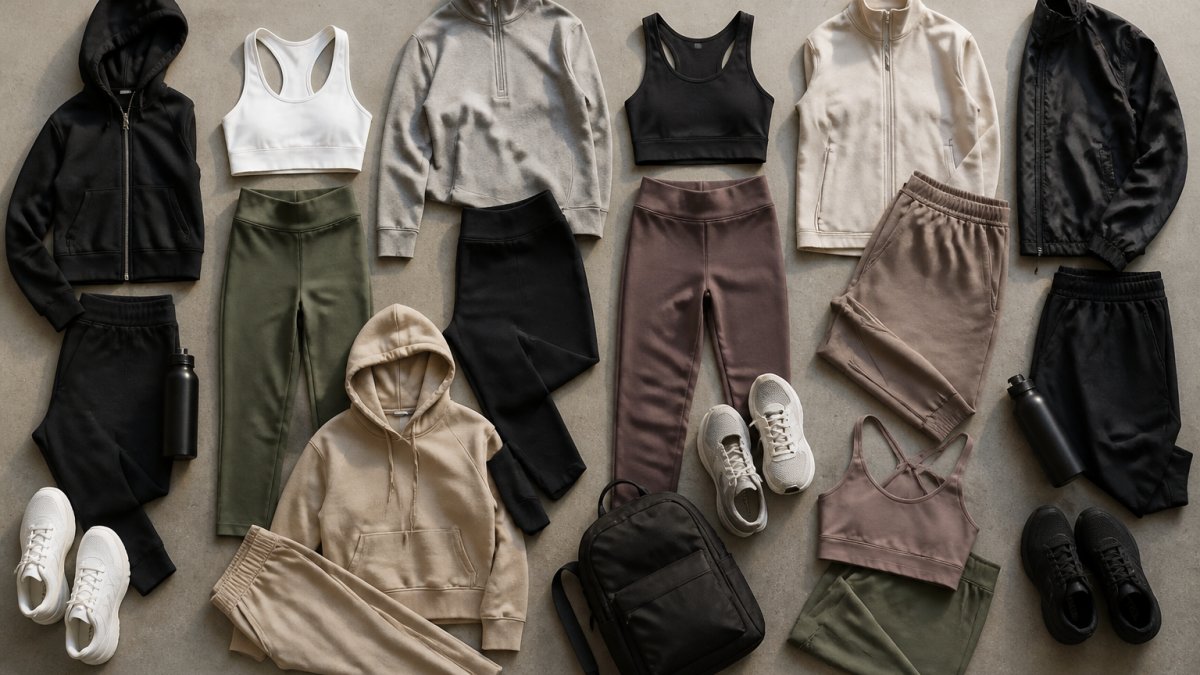
Joggers are the foundation of modern urban hiking outfits, giving you the mobility and comfort of technical wear without announcing it.
Look for neutral colors: charcoal, olive, navy, or black. Fabric matters too: slight stretch and natural drape, not stiff gym-jogger polyester. Cotton-blend or breathable performance fabrics handle both city walks and actual hiking.
Fit is critical. Aggressive tapers look like gym wear; loose pairs look sloppy.
Pair joggers with a fitted or standard-fit shirt, never oversized. A long-sleeve henley, lightweight sweater, or plain tee all work. Wide joggers need a fitted top; fitted joggers can handle a slightly looser shirt, but avoid baggy.
Avoid logos and excessive pockets. Technical joggers often have branded patches or utility pockets that scream "outdoor gear." Choose clean versions so they read as a deliberate style choice, not a performance compromise.
How to Wear Joggers Without Looking Sloppy on City Walks
Most "don't look sloppy" advice stops at "buy a fitted top." Sloppiness in joggers actually comes from four mechanical problems: hem stacking, waist sag, fabric sheen, and shoe-to-cuff proportion. Fix those four and the outfit reads as intentional.
Fix hem stacking first. Joggers look sloppy when fabric pools on top of the shoe. The cuff should sit at or just above the ankle bone, with no more than about half an inch of break.
Fix waist sag second. Drawstring joggers should sit at your natural waist, not your hips.
Fix fabric sheen third. High-shine polyester is the fastest way to look gym-bound. Matte finishes in cotton-blend, ponte, or brushed technical fabric read as casual trousers.
Fix shoe-to-cuff proportion last. A tapered cuff over a chunky sneaker creates a pinched, top-heavy silhouette; over a low-profile sneaker, loafer, or Chelsea boot it creates a clean line. If you love chunky sneakers, choose a wider, straighter leg.
Outfit formulas by urban setting
The same joggers read four ways depending on what you pair them with:
| Setting | Bottom | Top | Outer layer | Footwear |
|---|---|---|---|---|
| Commute | Charcoal joggers | Fitted crew tee | Structured overshirt or shacket | Low-profile leather sneaker |
| Errands | Olive joggers | Long-sleeve henley | Lightweight zip jacket | Slip-on or knit runner |
| Cafe or casual lunch | Navy joggers | Merino crew sweater | None or a quilted vest | Suede Chelsea boot |
| Park or long walk | Black joggers | Moisture-wicking base layer | Packable shell | Cushioned trail-to-street sneaker |
The pattern is consistent: one structured piece per outfit. If the joggers are soft, the top or outer layer needs structure; if the top is soft, the shoes should be. Never let every piece be soft at once.
Inclusive fit notes
Joggers are forgiving across body types, but the same rules don't apply to everyone. Taller frames need a longer inseam, so look for brands listing inseam length rather than just S/M/L. Shorter frames benefit from a cropped jogger that hits at the ankle without hemming. Larger thighs need a gusseted crotch and four-way stretch so the taper doesn't pull across the seat. If you use a mobility aid or prefer a looser fit for sensory reasons, a straight-leg jogger with a flat waistband and no cuff elastic still delivers the same city-ready look.
Men's Athletic Streetwear Outfits for Urban Exploration
Athletic streetwear bridges gym wear and city fashion.
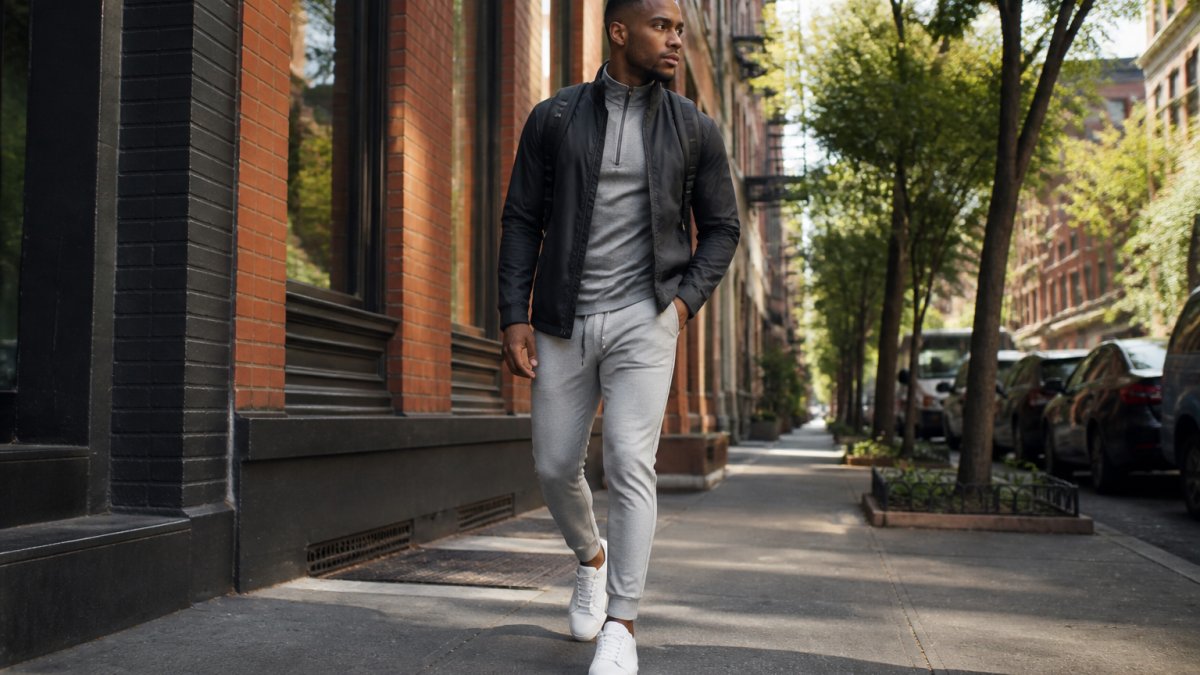
The base layer should be moisture-wicking and fitted: a performance t-shirt, lightweight long-sleeve, or fitted henley. Look for breathable materials that dry quickly and don't retain odor.
Your mid-layer adds warmth and style: a lightweight technical jacket, fleece-lined shirt, or structured sweater. Keep it neutral, black, gray, navy, or olive, as the visual anchor.
Your bottom should be joggers or tailored pants. Joggers give you mobility for urban exploration; tailored trousers or chinos work for a dressier vibe.
Footwear completes the look. Clean sneakers in white, gray, or black are safest and work with almost any top and bottom.
The formula is flexible: swap the jacket for a shirt, joggers for chinos, sneakers for boots. The structure stays the same and adapts to your needs and the season.
Technical Clothing Street Style: Blending Function and Fashion
Technical clothing street style means choosing performance fabrics and features while keeping a cohesive, intentional look. The difference between "looks like outdoor gear" and "looks like fashion" is restraint.
Blend technical pieces with non-technical ones: a technical jacket with regular jeans or chinos, a performance base layer under a casual sweater.
Color coordination matters. If your technical jacket is black, your base layer should be white, gray, or a neutral tone, this creates contrast and prevents a monochromatic, utilitarian look.
Fit is everything. Technical clothing often comes in athletic cuts too wide or long for casual wear, so size down if necessary.
Details matter. Choose technical pieces without visible logos, unnecessary pockets, or bright accents. A simple jacket with clean lines works anywhere; one covered in branded patches looks like outdoor gear.
The goal is to use technical features, moisture-wicking, breathability, durability, without the visual language of outdoor wear.
Footwear That Works for Both Long Walks and City Dining
Footwear is where most "don't look like a hiker" outfits fall apart. Technical hiking boots read as trail gear at a restaurant table, and dress shoes punish you after two miles on pavement. The solution isn't one magic shoe. It's matching the shoe to the day's mileage and the evening's setting.
Match the shoe to the mileage
A useful rule of thumb: under two miles, almost any clean shoe works. Between two and five miles, cushioning and arch support start to matter. Beyond five miles, you want a rock plate or firmer midsole, a heel counter that locks the foot, and enough tread for wet pavement and packed dirt.
| Daily mileage | Shoe type | What to look for |
|---|---|---|
| Under 2 miles | Leather sneaker, loafer, or slip-on | Clean lines, neutral color, minimal branding |
| 2-5 miles | Cushioned lifestyle sneaker | Foam midsole, breathable upper, removable insole |
| 5+ miles | Trail-to-street hybrid | Rubber lug outsole, rock plate, padded collar |
The four shoe categories that actually work
Clean leather sneakers. The default answer for a reason. A white or off-white leather sneaker pairs with joggers, chinos, and dark denim, and looks right from coffee shop to casual dinner.
Trail-to-street hybrids. Designed for exactly this problem: a rubber outsole with moderate lugs, a cushioned midsole, and a leather or knit upper that doesn't look like a hiking boot.
Chelsea boots and casual leather boots. A suede or smooth-leather Chelsea boot in brown or black is the most versatile single shoe for fall and winter. It works with joggers, chinos, and dark denim, handles light rain, and looks appropriate at dinner.
Slip-ons and knit runners. Best for warm weather and shorter days. A neutral knit slip-on is breathable and easy to pack, but usually lacks the heel lock and outsole grip for long walks. Treat these as a second pair, not your only pair.
Break-in, insoles, and socks
Never take a new pair of shoes on a long city walk. Leather uppers need a few short wears to mold to your foot, and even knit uppers can rub at the heel on day one. Wear new shoes for two or three short outings before a long one.
If you walk more than a few miles regularly, a removable insole is worth the small investment, look for a cupped heel and firmer arch than the stock insole. A thin merino or synthetic-blend sock also reduces blisters compared to cotton, which holds moisture against the skin.
Seasonal swaps
In summer, prioritize breathability: a knit or mesh-paneled sneaker in a light color with a no-show or low-cut sock. In winter, prioritize traction and water resistance: a leather boot with a rubber lug sole, treated with water-repellent spray, plus a mid-weight wool sock. In shoulder seasons, a water-resistant leather sneaker covers most days.
Building a Capsule Wardrobe for Weekend Adventures
Start with bottoms. Choose two or three pairs of joggers or pants in neutral colors. Charcoal, olive, and navy are ideal.
Add base layers: a few fitted t-shirts in white, gray, and black, plus one or two long-sleeve shirts in neutral tones.
Include mid-layers: a lightweight technical jacket in black or navy, a structured sweater in a neutral color, a fleece-lined shirt.
Choose footwear carefully: one pair of clean sneakers in white or gray, one pair of casual boots or slip-ons. Two options handle most situations.
Add one accent piece: a scarf, watch, or simple bag in a color that complements your palette. This adds personality without complicating your wardrobe.
The beauty of a capsule approach is flexibility: every piece works with multiple others, so a small number of items creates dozens of combinations.
Invest in quality basics.
| Element | Purpose | Examples |
|---|---|---|
| Bottoms | Foundation of outfit | Charcoal joggers, olive pants, navy chinos |
| Base Layers | Versatile tops | White t-shirt, gray long-sleeve, black henley |
| Mid-Layers | Warmth and structure | Black technical jacket, navy sweater, olive fleece |
| Footwear | Function and style | White sneakers, black boots, gray slip-ons |
| Accessories | Personality | Watch, simple bag, neutral scarf |
Building urban hiking outfits that don't scream "hiker" is about choosing function without sacrificing style.
Frequently Asked Questions
What can I wear instead of hiking clothes for a city outfit?
Replace technical hiking pants with tailored joggers or chinos in neutral colors. Swap moisture-wicking base layers for fitted long-sleeve shirts in breathable fabrics like cotton blends. Choose casual sneakers or leather-trimmed athletic shoes instead of hiking boots. Layer with a structured jacket or bomber rather than a puffy vest. This approach keeps you comfortable for long urban walks while blending seamlessly into city streets and social settings.
How do I style joggers without looking sloppy on city walks?
Fit is everything: choose joggers that taper at the ankle and sit at your natural waist, not baggy. Pair them with a fitted top or tucked-in shirt to create definition at the torso. Add a structured layer like a blazer, overshirt, or technical jacket. Finish with clean, minimal sneakers or slip-on shoes. Avoid oversized silhouettes, graphic prints, and drawstring visibility. Premium fabrics in solid colors elevate the look instantly.
What shoes work with athletic streetwear in the city?
Look for minimalist sneakers with clean lines, leather accents, or monochromatic colorways. Slip-on athletic shoes, canvas low-tops, and hybrid sneaker-loafers bridge the gap between technical and polished. Avoid chunky hiking boots or neon technical shoes. Choose neutral colors like white, black, gray, or navy. Ensure they have good cushioning and grip for walking multiple miles, but prioritize a sleek silhouette that complements casual or semi-casual outfits.
Are joggers still in style in 2026?
Yes, joggers remain a staple in urban fashion when styled correctly. The key is choosing tailored, premium versions in solid colors and pairing them with structured layers and polished footwear. Technical joggers with moisture-wicking properties and clean finishes work well for active weekends. Avoid overly casual or baggy cuts. The trend has shifted toward elevated, intentional styling rather than purely casual wear, making quality and fit more important than ever.