 blog
Durable Performance Clothing vs Casual Streetwear
Table of Contents
- Performance Clothing vs Casual Streetwear: What Sets Them Apart
- Fabric, Weight, and Construction: The Durability Difference
- Breathability, Moisture Management, and Comfort in Real Conditions
- Athleisure vs Activewear: Understanding the Hybrid Category
- Athletic Lifestyle Outfits: Layering and Versatility Across Activities
- Gym Clothes for Everyday Wear: When Crossover Actually Works
- How to Choose Durable Workout Clothes That Last
- Cost Per Wear and Long-Term Value
- Frequently Asked Questions
Last Updated: October 10, 2026
Performance Clothing vs Casual Streetwear: What Sets Them Apart
Understanding the differences in durable performance clothing vs casual streetwear helps you make smarter purchases that work across your lifestyle.
Durable performance clothing is engineered to handle sweat, movement, and repeated washing without degrading. Casual streetwear prioritizes style and comfort for everyday wear, but lacks the same durability standards or technical features.
When comparing durable performance clothing vs casual streetwear, the real question is which serves your actual needs.
Fabric, Weight, and Construction: The Durability Difference
Performance fabrics are constructed differently, and specific durability metrics predict how long a garment will last.
Fabric Weight and Density
Fabric weight (gsm) directly correlates with durability. Denser fabric withstands friction and repeated washing longer.
Seam Construction and Stress Points
Seams fail first. Performance clothing uses reinforced or flat-lock stitching at stress points (underarms, crotch, shoulders, sides), distributing stress across multiple thread lines. Casual wear uses single-stitched seams that fray. Flat-lock stitching sits flush against skin, reducing chafing and extending seam life.
Pilling Resistance
Pilling signals fiber breakdown. Performance fabrics resist pilling through tighter knit construction and synthetic blends (polyester, nylon), which have longer, stronger fibers than cotton.
Colorfastness and Dye Retention
Performance fabrics use superior dye-setting that bonds color molecules firmly to fibers. The gap is most visible in reds, blues, and blacks.
How Washing and Care Affect Durability
Performance clothing requires specific care: cold water, gentle cycles, air drying. Machine drying accelerates fiber breakdown and fading. Air drying extends garment life; cold water prevents dye bleeding and fiber stress.
Casual wear degrades faster under standard washing. A casual cotton tee washed hot on regular cycle fades and loses shape; cold gentle washing extends its life, but still won't match performance piece longevity.
The Trade-Off: Feel vs. Longevity
Performance fabrics feel stiffer initially due to tight construction and synthetics, but break in after wear while maintaining structural integrity. Casual wear softens too, but loses shape and degrades as it does.
Breathability, Moisture Management, and Comfort in Real Conditions
Performance clothing delivers tangible advantages through moisture-wicking technology that pulls sweat away and dries faster than cotton, critical when moving.
Casual wear absorbs moisture rather than managing it. Wear it to the gym and you'll feel damp for hours; hiking leaves you cold as sweat cools.
Performance fabrics use looser weaves or synthetic blends that allow air circulation while moving moisture away. The difference is immediate once experienced.
For stationary wear, casual streetwear suffices. But with physical activity or temperature changes, performance clothing's advantages become obvious.
Athleisure vs Activewear: Understanding the Hybrid Category
Athleisure bridges the gap by borrowing athletic design elements, fitted cuts, technical fabrics, modern silhouettes, while presenting them as everyday wear. You can wear it to the gym, work, or dinner without looking out of place.
Confusion arises because athleisure looks like performance clothing but sometimes performs like casual wear. Not all pieces have the same durability or moisture-management features as true activewear.
Check fabric composition, gsm ratings, and whether the piece includes moisture-wicking technology or just looks athletic. Well-made athleisure transitions between activities; poorly-made pieces compromise in both contexts.
Tremendous World designs pieces that perform during activity but look polished for urban environments, genuine versatility, not just aesthetic overlap.
Athletic Lifestyle Outfits: Layering and Versatility Across Activities
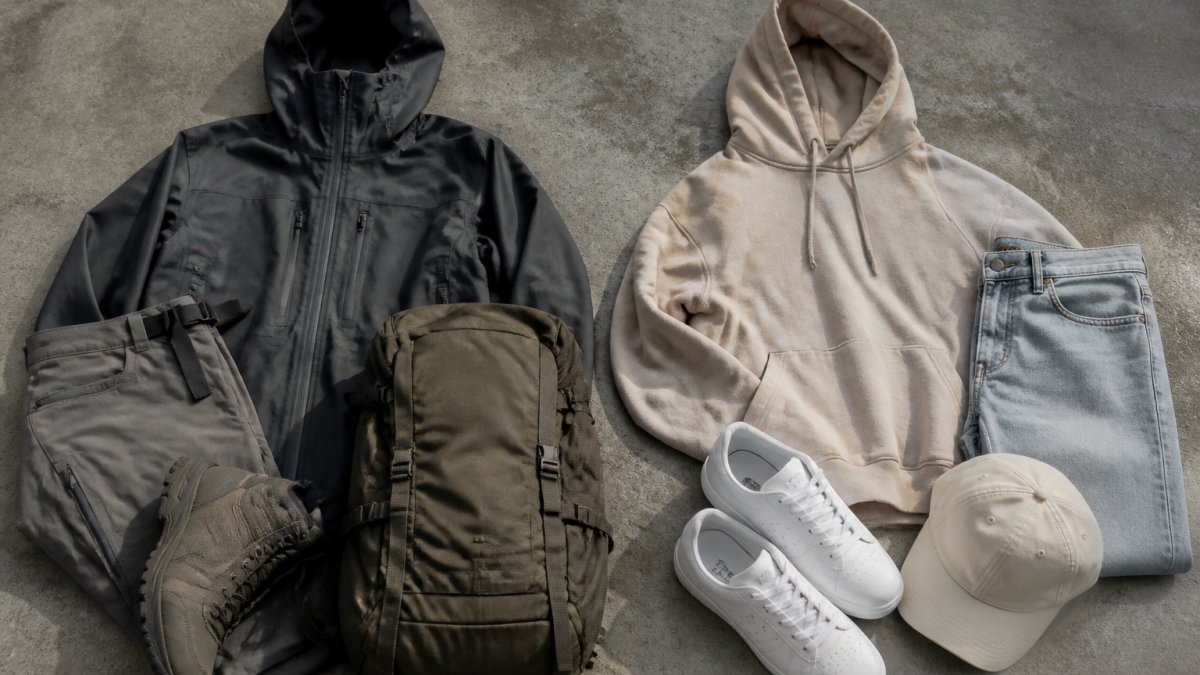
Layering is where performance clothing shines. A moisture-wicking base layer, lightweight insulating mid-layer, and breathable outer shell work together across temperature changes and activity levels, from gym to trail to dinner.
Casual wear doesn't layer effectively. Cotton bunches under jackets and doesn't manage moisture between layers, causing the system to fail functionally once activity begins.
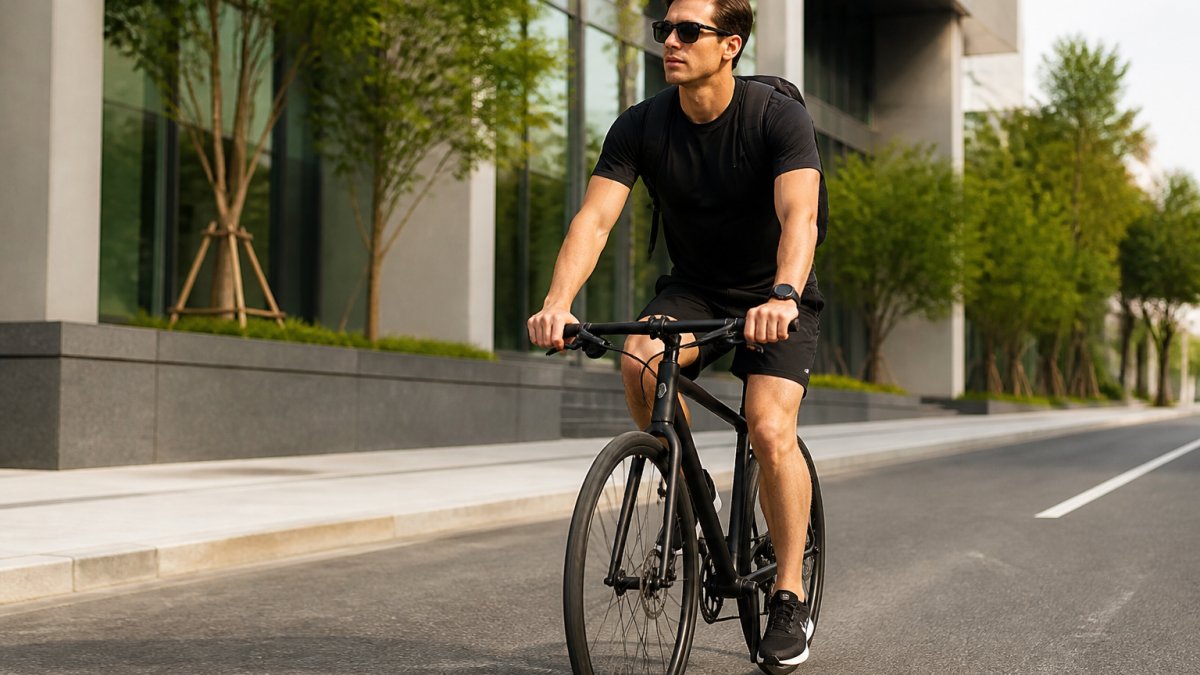
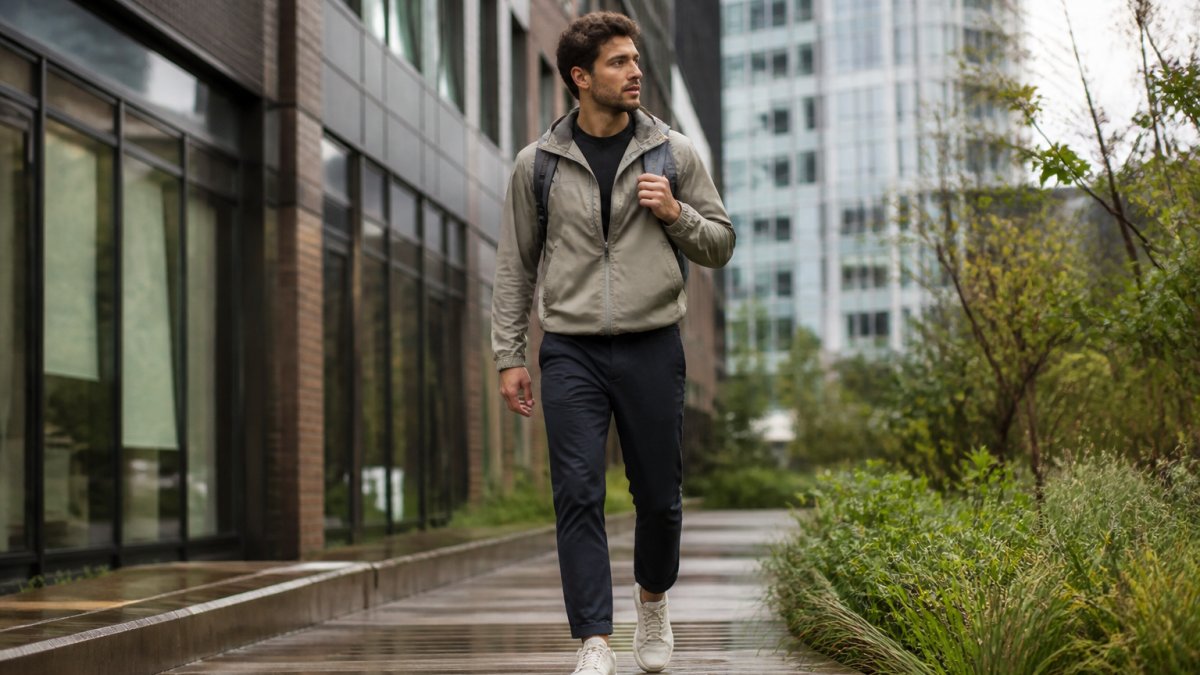
Build versatile athletic outfits by selecting pieces that perform during activity but work casually afterward. A crewneck performance tee works with jeans. A technical overshirt adds warmth without bulk. Fitted performance shorts transition better than oversized casual wear.
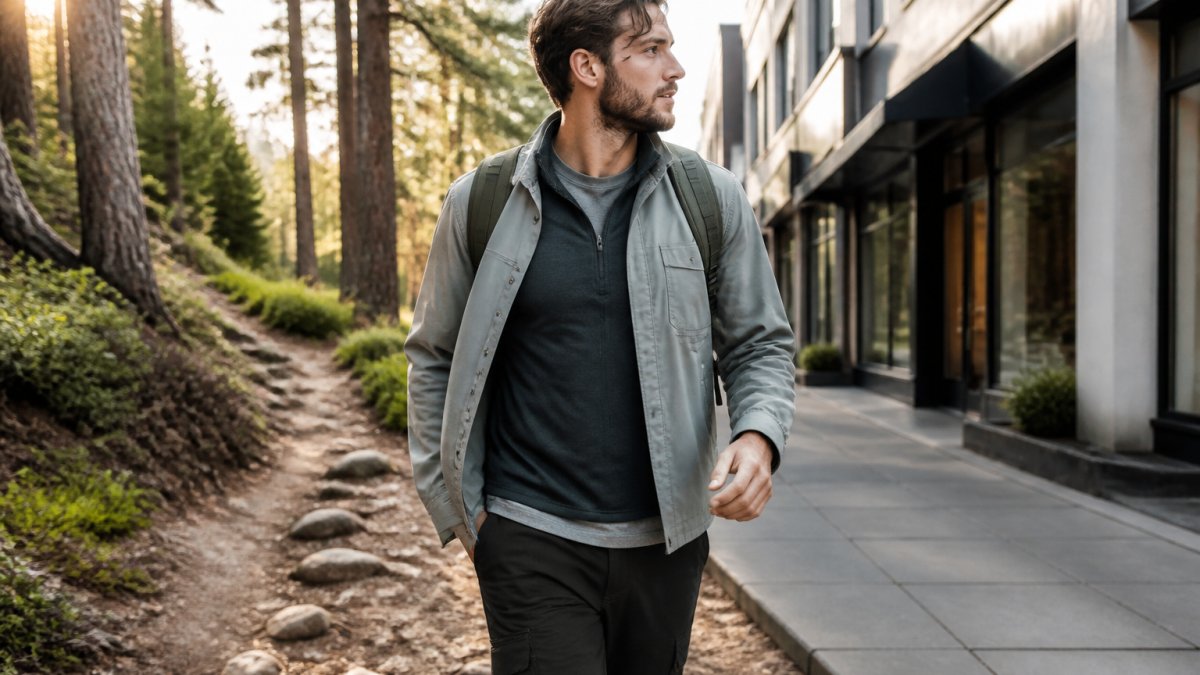
Each piece should perform on its own and work in combination. Casual wear struggles here because pieces aren't designed for dual purpose.
Gym Clothes for Everyday Wear: When Crossover Actually Works
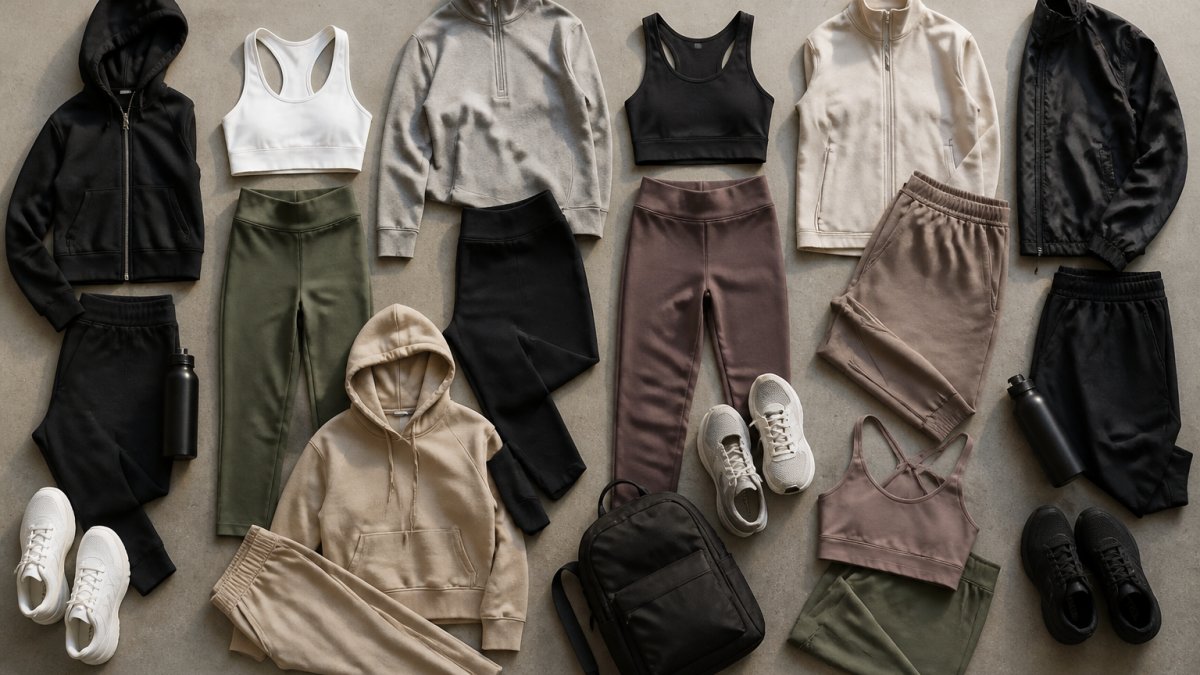
Not all gym clothes work for everyday wear. Compression shorts, moisture-wicking tights, and sports bras are designed for specific athletic contexts and read as costume casually.
Certain performance pieces work both ways: fitted performance tees in neutral colors, technical overshirts, and athleisure joggers transition seamlessly between training and casual wear.
If a piece looks like casual streetwear in cut and styling, it works for everyday wear. If it's clearly technical or sport-specific, it belongs in the gym.
Tremendous World intentionally creates pieces that perform during activity without sacrificing casual aesthetic. A performance crewneck should look like a quality casual tee with better fabric and construction.
How to Choose Durable Workout Clothes That Last
Match your selection to your specific context. The same garment that excels for high-intensity training might be overkill for casual commuting.
By Activity Intensity
High-Intensity Training: Prioritize moisture-wicking synthetics or technical blends over cotton. Look for 300+ gsm, reinforced seams at underarms and crotch, and flat-lock construction.
Moderate Activity: Athleisure with 250-300 gsm and moisture-wicking technology handles moderate sweat without extreme technical feel. You get durability and comfort without over-engineering.
Low-Intensity or Stationary Wear: Casual streetwear or athleisure with standard construction suffices. Moisture management and reinforced seams matter less. A 200 gsm casual piece lasts fine for this use case.
By Climate and Season
Hot and Humid Climates: Synthetic performance fabrics outperform cotton significantly. Polyester and nylon blends wick moisture faster and dry quicker. Look for lightweight construction (250-280 gsm) with loose weaves. Casual cotton absorbs humidity and clings to skin.
Cold Climates: Layering becomes critical. Base layers should be synthetic or wool-blend performance fabric (never cotton, which retains moisture and loses insulation when damp). Mid-layers in technical fleece or wool add warmth without bulk. Outer shells in breathable technical fabric shed wind and light precipitation.
Mild/Transitional Seasons: This is where athleisure shines. You need versatility across temperature swings and activity levels. A technical overshirt in 280 gsm fabric works for morning runs, office wear, and evening outings. Casual streetwear pieces don't transition as smoothly because they lack the moisture management for activity and the durability for frequent washing.
By Use Frequency and Context Transitions
Daily Commuting (car, public transit, walking): If you're moving between gym, office, and social settings, athleisure with performance features is ideal. Look for pieces that look like casual wear but have reinforced seams and moisture-wicking. You'll wear these 4-5 times weekly, so durability matters.
Dedicated Training Sessions (gym-only or sport-specific): Pure performance gear is appropriate. You don't need it to look polished for casual settings. Compression shorts, moisture-wicking tights, technical tanks, these are optimized for function. Durability is critical because you'll wash them frequently (2-3 times weekly). Reinforced seams and high-quality synthetics prevent degradation from repeated washing and intense movement.
Weekend Recreation (hiking, casual sports, outdoor activities): Performance clothing with athleisure styling works best. You need durability and moisture management for activity, but you also want pieces that work for casual wear afterward. A technical overshirt or performance joggers in neutral colors transition from trail to coffee shop without looking out of place.
Selection Checklist
Before buying, verify:
- Fabric composition: Check the label. Look for polyester blends, nylon, or technical synthetics for performance. Pure cotton signals casual wear. Blends (cotton-poly) offer middle ground but lean toward casual durability.
- GSM rating: 280+ for high-use performance pieces, 250-280 for moderate use, 200-250 for casual or low-frequency wear.
- Seam construction: Look for reinforced or flat-lock stitching, especially at stress points. Single-stitch seams indicate casual construction.
- Moisture-wicking technology: Check if the piece explicitly includes moisture-wicking treatment or if it's just styled to look athletic. Real technical fabric will say "moisture-wicking," "quick-dry," or list synthetic fiber content.
- Care requirements: Cold water, gentle cycle, air dry = durability-focused design. Standard machine wash = casual construction.
- Fit and feel: A garment worn frequently must fit well and feel right. Poor fit means it sits unused, wasting money regardless of durability.
- Versatility: Can this piece work for multiple activities and contexts? The more uses, the better the cost-per-wear value.
Cost Per Wear and Long-Term Value
This is where durable performance clothing wins decisively. A quality performance piece might cost more upfront, but it lasts longer, maintains its shape, and resists fading. Wear it 200 times over three years, and the cost per wear becomes reasonable.
Casual streetwear might feel cheaper initially, but frequent replacement adds up. Buy three casual pieces annually at lower prices versus one quality performance piece annually at higher price, the performance piece wins on total cost.
Beyond economics, there's the practical advantage. A garment that maintains its shape and color looks better longer. It performs consistently. You don't have to replace it as frequently, which means less shopping, less decision fatigue, less waste.
Consider your actual usage. If you're wearing something multiple times weekly, whether for training, hiking, or commuting, durability matters enormously. If you wear something occasionally, casual wear might be sufficient.
The Tremendous World approach assumes you're using your clothes actively. You're moving between contexts. You're washing frequently. You need pieces that handle this without degrading. That's where the investment in durable performance clothing pays off.
Choosing between durable performance clothing and casual streetwear depends on how you actually live. If you're transitioning between gym sessions, outdoor activities, and urban environments, performance clothing's durability, moisture management, and versatility justify the investment. Casual streetwear has its place for purely social contexts without physical demands. But for an active lifestyle that spans multiple contexts, durable performance clothing, and thoughtfully-designed athleisure, delivers better long-term value. Shop Tremendous World's collection of performance apparel and streetwear designed to keep up with your life, whether you're on the trail or in the city.
Frequently Asked Questions
What are the key differences between athleisure and activewear?
Activewear is engineered for athletic performance with moisture-wicking fabrics, targeted ventilation, and ergonomic cuts designed for training. Athleisure blends athletic functionality with casual styling for everyday wear. Performance clothing prioritizes technical features like sweat management and durability under stress, while casual streetwear emphasizes style and comfort for non-athletic settings. Athleisure sits between them, offering some performance features in designs suitable for social settings and commutes.
Is performance clothing more durable than casual streetwear?
Performance clothing typically outlasts casual streetwear because it uses heavier-weight fabrics, reinforced seams, and materials designed to withstand repeated washing and physical stress. Casual streetwear prioritizes aesthetics and comfort over construction durability. However, durability depends on specific garments and care. A heavyweight cotton crewneck from a premium brand may outperform a thin technical shirt from a budget line. Checking fabric weight, seam construction, and material composition helps identify which pieces will genuinely last.
Can you wear gym clothes for everyday activities?
Yes, many gym clothes transition to everyday wear through athleisure design. Modern performance clothing incorporates streetwear styling with bold graphics, varied colors, and relaxed or oversized fits that work in casual settings. However, not all athletic wear reads as casual, highly technical pieces with visible seams or extreme fits may look out of place outside training contexts. Look for pieces with neutral colorways, minimal branding, and contemporary silhouettes if you want genuine crossover between training and daily wear.
What should you look for when choosing durable workout clothes?
Check fabric weight (heavier fabrics resist pilling and wear), material composition (blends often last longer than pure cotton), and seam construction (reinforced stitching indicates durability). Examine garment care instructions and reviews mentioning shape retention after washing. Look for brands known for construction quality and test fit before committing to expensive pieces. Consider how often you'll wear each item, high-frequency pieces justify investment in durability, while occasional-use pieces can prioritize style. Avoid ultra-thin fabrics unless they're specifically engineered technical materials.