 how-to
Why Athleisure Is Popular for Travel: Comfort Meets Style
Table of Contents
- The Athleisure Travel Boom: Why Comfort Wins at 30,000 Feet
- The Best Clothes to Wear on a Plane (And Why Athleisure Tops the List)
- Building Comfortable Travel Outfits That Actually Look Put-Together
- Fabric and Garment Selection for Different Journeys
- The Travel Capsule Wardrobe: Pack Less, Wear More
- Balancing Comfort With Destination-Appropriate Style
- The Drawbacks of Athleisure for Travel (And How to Work Around Them)
- Conclusion: Pack Smarter With Athleisure That Goes the Distance
- Frequently Asked Questions
Last Updated: October 9, 2026
The Athleisure Travel Boom: Why Comfort Wins at 30,000 Feet
Why athleisure is popular for travel comes down to one simple fact: it solves the two biggest problems of modern travel at once. Planes are cramped, airports are exhausting, and rigid clothing makes both worse. Athleisure is soft, stretchy, and wrinkle-resistant, so you look put-together without feeling restricted.
This guide breaks down the trend, the fabrics, and the packing strategy behind it.
Travelers have quietly rewritten the dress code. The TSA's guidance on what passengers can wear through security makes no style demands, but the practical reality of long security lines and tight seats does. Comfort stopped being a compromise and became the plan.
Here is the shift most people miss: athleisure did not win because people got lazy. It won because the clothing got better. Modern knits hold their shape, resist odors, and dry fast. That changes everything for a carry-on bag.
The Best Clothes to Wear on a Plane (And Why Athleisure Tops the List)
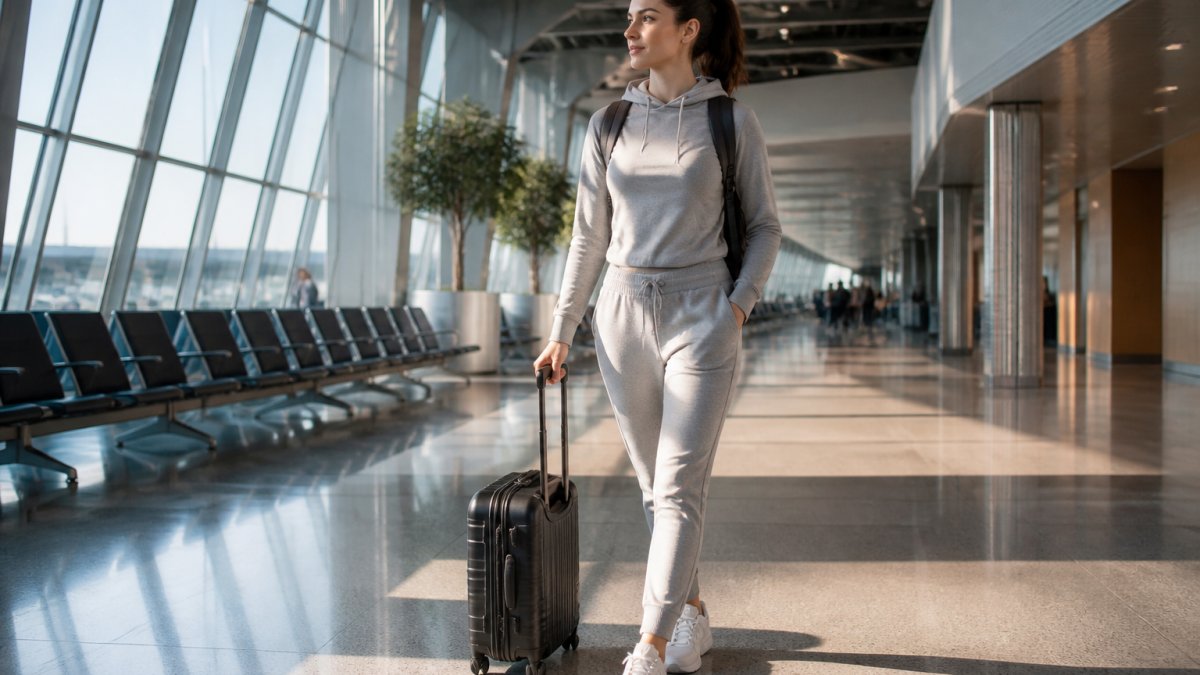
The best clothes to wear on a plane are soft, stretchy layers you can adjust as cabin temperatures swing. Athleisure fits that brief better than jeans, dress pants, or heavy coats, and the reasons are mechanical rather than aesthetic.
Three things happen to your body in flight. Cabin air is dry, so skin and fabrics that hold moisture feel clammy. Cabin pressure and long sitting slow circulation, which makes tight waistbands and stiff seams uncomfortable within an hour. And cabin temperature is uneven, warm during boarding, cold at cruising altitude, warm again on descent. A single rigid outfit cannot respond to all three. A layered athleisure outfit can.
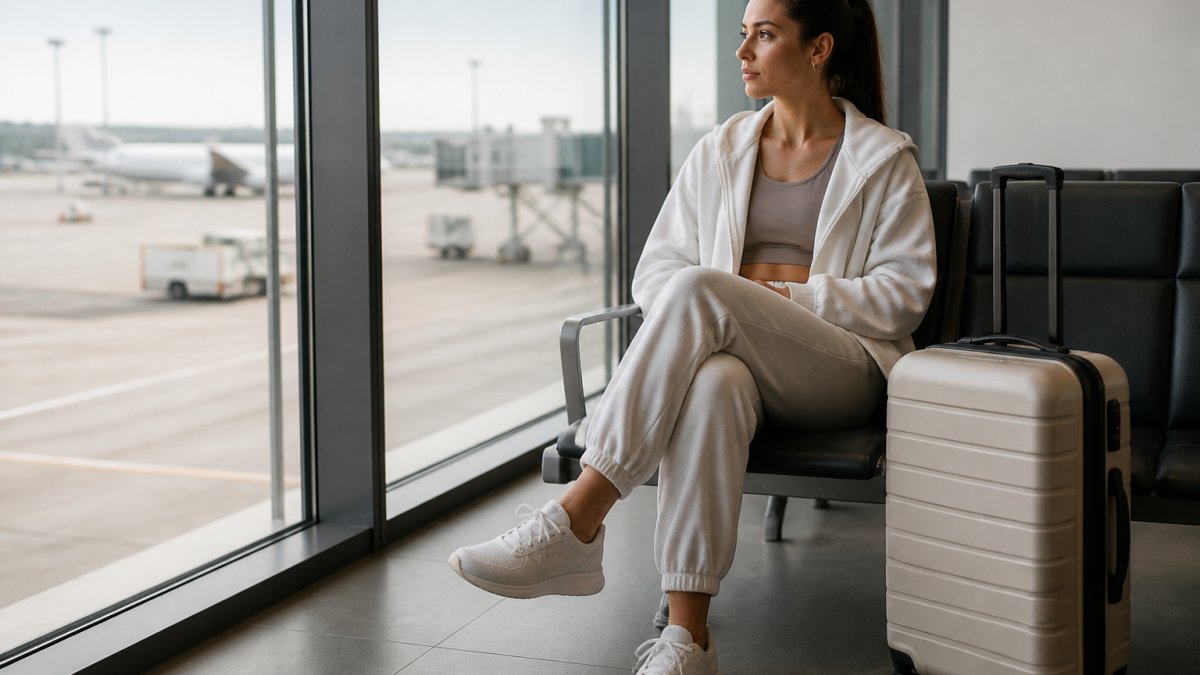
A practical in-flight outfit usually includes:
- Stretch joggers or leggings with a soft, flat waistband that does not dig in when you sit for hours
- A breathable base layer that wicks moisture instead of holding it against your skin
- A light hoodie or zip jacket you can open, close, or remove without leaving your seat
- Slip-on shoes you can remove quickly at security and slide back on without bending
- Compression socks for flights longer than about four hours, when swelling becomes noticeable
The zip jacket matters more than people think. Cabins run cold, then warm, then cold again. A layer you can open and close beats a bulky sweater every time, because you regulate temperature by adjusting airflow rather than by adding or removing bulk.
Fabric choice on the plane is where most travelers go wrong. Heavy cotton holds sweat and dries slowly, so a long flight leaves it damp and wrinkled. Denim has almost no stretch, so it fights you in a narrow seat. A technical knit or merino blend moves with you, resists odor, and comes out of a carry-on looking the same as it went in.
One more practical note: dress in the bulkiest layer you plan to bring rather than packing it. A packable jacket worn onto the plane frees space in your bag and doubles as a blanket if the cabin runs cold.
Building Comfortable Travel Outfits That Actually Look Put-Together
Comfortable travel outfits look intentional when you stick to a tight color palette and clean fits. The trick is restraint: two or three colors, no loud logos, and pieces that fit well.
Start with a neutral base. Black, navy, gray, or olive joggers anchor almost anything. Add a fitted top in a matching tone. Then finish with one statement piece, like a structured jacket or a clean sneaker.
Fit does the heavy lifting here. A common mistake is sizing up for comfort. Baggy athleisure reads sloppy, while a true-to-size fit reads sharp. Check the shoulder seam and the ankle break before you commit.
Fabric and Garment Selection for Different Journeys
Fabric choice should match your trip, not your mood. A short domestic hop and a two-week mountain trek call for different gear.
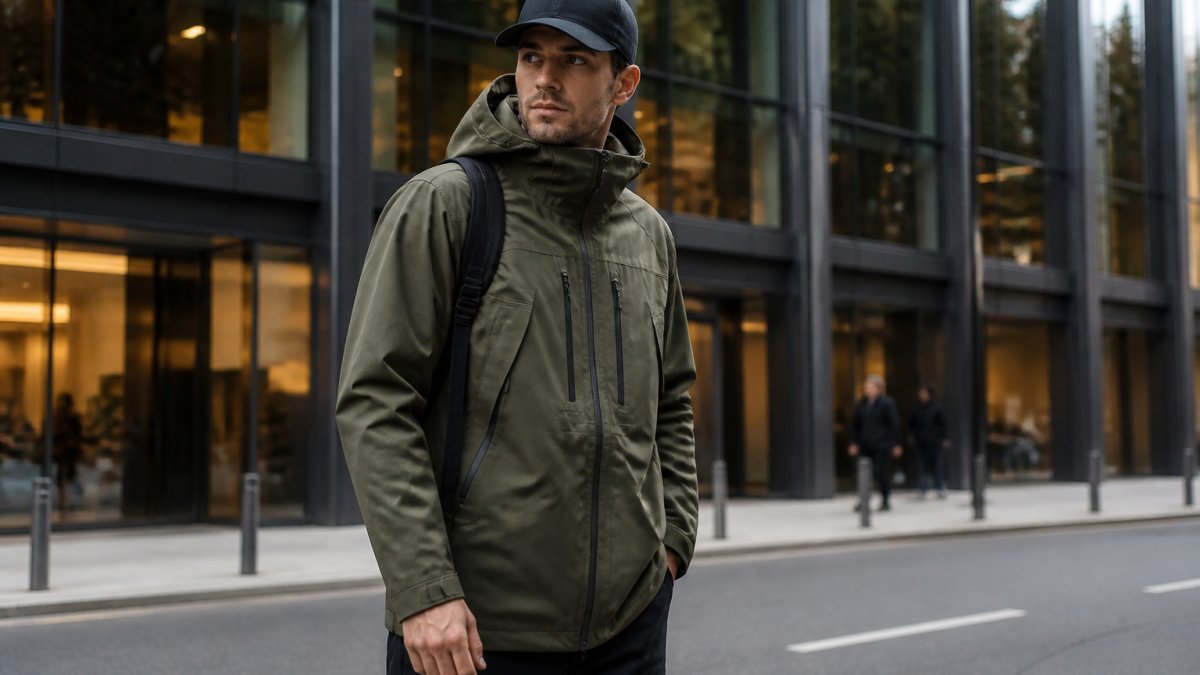
For warm-weather trips, look for lightweight knits with moisture-wicking properties. For cold destinations, a brushed fleece or merino blend traps heat without bulk. For wet climates, a water-resistant shell over a breathable base keeps you dry without overheating.
| Trip Type | Best Fabric | Why It Works | What to Avoid |
|---|---|---|---|
| Short flight | Cotton-blend jersey | Soft, breathable, easy to wash | Heavy denim |
| Long-haul flight | Merino or technical knit | Odor-resistant, temperature-regulating | Pure polyester |
| Mountain trail | Fleece with stretch panels | Warm, durable, moves with you | Thin cotton |
| City weekend | Ponte or scuba knit | Holds shape, looks polished | Wrinkly linen |
Technical fabrics have come a long way. The Federal Trade Commission's textile labeling rules require accurate fiber content on every garment tag, so you can check exactly what you are buying before you pack it.
The Travel Capsule Wardrobe: Pack Less, Wear More
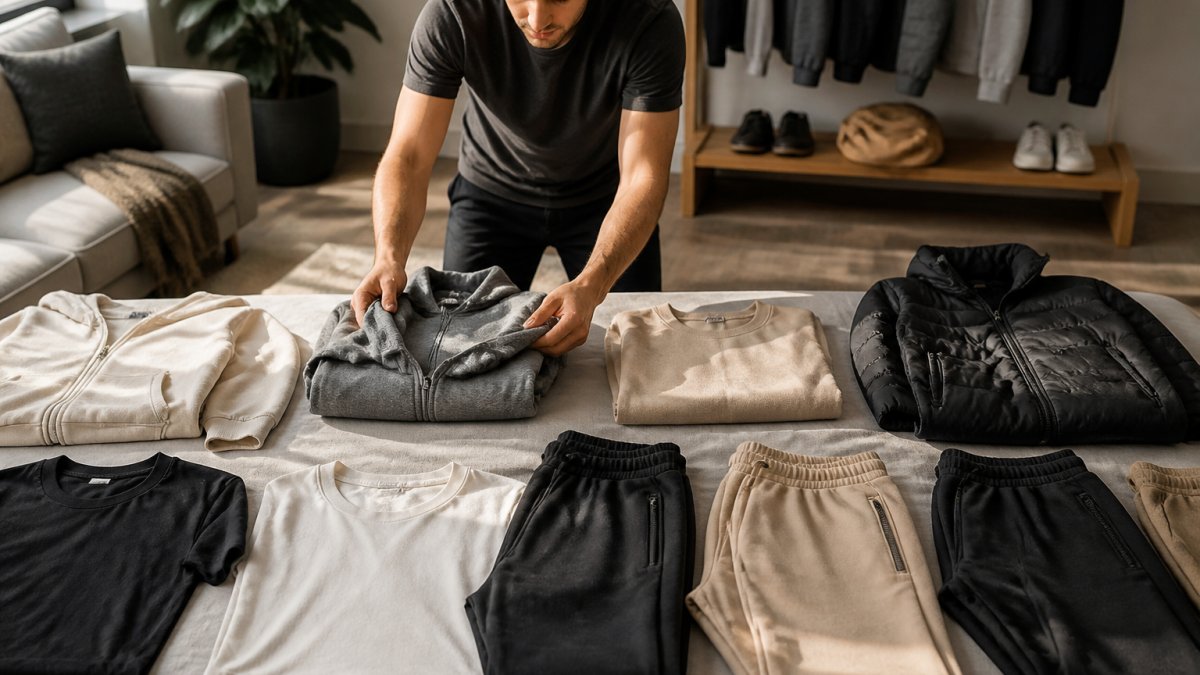
A travel capsule wardrobe is a small set of pieces that mix and match into many outfits. For a week-long trip, five to seven items can cover every occasion.
Build the capsule around two bottoms, three tops, one layer, and one pair of shoes. Pick colors that all work together. Every piece should pair with at least two others.
Here is a sample seven-piece capsule:
- One pair of black joggers
- One pair of neutral leggings
- Two fitted tees
- One long-sleeve base layer
- One zip hoodie
- One packable jacket
That set handles a flight, a hike, a coffee shop, and a casual dinner. It also fits in a carry-on with room to spare.
Balancing Comfort With Destination-Appropriate Style
Destination style matters, and athleisure can respect it without losing comfort. The key is reading the room before you pack, and the most useful way to do that is to sort your trip into three formality tiers.
Tier one: relaxed destinations. Beach towns, mountain resorts, national parks, and most casual city neighborhoods welcome athleisure almost anywhere. Joggers, leggings, and clean sneakers are the local uniform. Pack freely here.
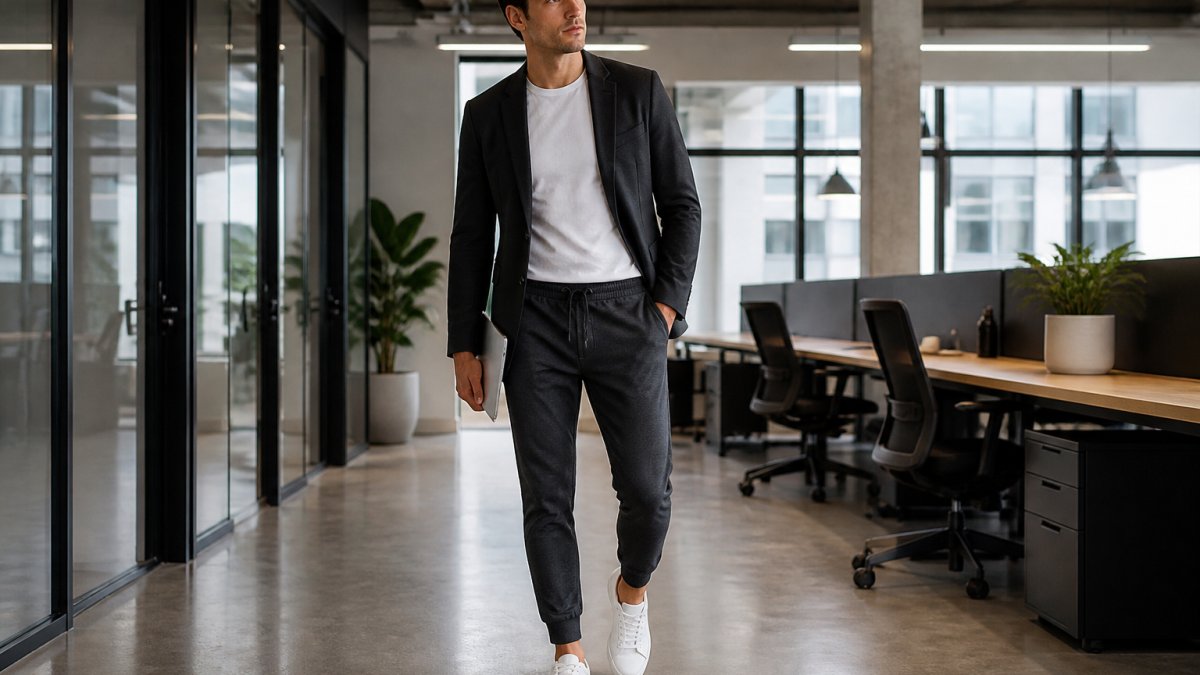
Tier two: mixed destinations. Most cities fall here. Daytime sightseeing is fine in athleisure, but dinner, museums, and upscale shopping districts expect a cleaner silhouette. The fix is not a second wardrobe. It is one structured piece layered over your base. Swap the joggers for tailored technical pants, or keep the joggers and add a blazer or a collared jacket. The stretch stays; the gym look goes.
Tier three: formal or culturally sensitive destinations. Houses of worship, fine dining, business districts, and certain cultural sites may have explicit dress codes. Some require covered shoulders and knees; some ask visitors to remove shoes. Check the venue's website before you go, because rules vary widely and are usually posted. When in doubt, pack one outfit that reads as business casual and save the athleisure for the rest of the trip.
A good rule: match the formality of the room, not the activity. A nice restaurant wants a clean silhouette, even if the fabric is technical. Add one structured piece, like a blazer or a collared jacket, and the same base layers work.
Weather is the other half of destination-appropriate style. A humid climate calls for lightweight, quick-drying knits. A cold climate rewards a brushed fleece or merino layer under a shell. A wet climate needs a water-resistant outer layer over a breathable base. Packing for the climate you will actually experience beats packing for the one you imagine.
Our apparel is made to move between both without a wardrobe change.
The Drawbacks of Athleisure for Travel (And How to Work Around Them)
Athleisure is not perfect for every trip. Knowing the limits helps you pack around them.
The main drawbacks:
- Casual fabrics can look out of place at formal venues
- Cheap knits pill and lose shape after a few washes
- Some pieces trap odor if they are not moisture-wicking
- Light colors show stains on trails and in transit
The fix is quality and planning. Buy fewer, better pieces. Choose darker neutrals for travel days. Pack one dressier layer for formal moments.
What most guides miss is that the fabric quality decides whether athleisure lasts a season or a decade. A well-made knit keeps its shape trip after trip. A cheap one does not.
Conclusion: Pack Smarter With Athleisure That Goes the Distance
Travel throws everything at your wardrobe at once: tight seats, long walks, shifting weather, and changing plans. Athleisure answers all of it, but only when the pieces are built to last.
Tremendous World designs premium athletic lifestyle apparel for people who move between city streets and mountain trails. Our collection gives you versatile gear for both environments, with streetwear style that keeps up with an active life. Shop Now and pack a wardrobe that works as hard as you do.
Frequently Asked Questions
What makes athleisure comfortable for long travel days?
Athleisure pieces use stretch fabrics like spandex blends and moisture-wicking knits that move with your body instead of restricting it. Flat seams and elastic waistbands reduce pressure points during hours of sitting. Breathable materials regulate temperature when cabin air shifts between stuffy and cold. The result is clothing that feels like pajamas but looks presentable enough for the airport lounge or a post-flight dinner.
Can you wear athleisure from the airport to sightseeing?
Yes, with the right pieces. Choose dark, structured joggers instead of baggy sweatpants, pair them with a clean sneaker and a fitted top or lightweight jacket, and you have an outfit that works for both the plane and a walking tour. Avoid overly casual items like gym shorts or graphic tees if you plan to visit museums, upscale restaurants, or religious sites. Layering helps you adapt to different settings without changing clothes.
What should you look for in travel-friendly athleisure?
Prioritize four things: stretch (for movement and sitting), breathability (to manage temperature changes), wrinkle resistance (so you look fresh after a long flight), and quick-drying fabric (in case of spills or rain). Look for pieces with secure pockets for passports and phones. Dark colors hide stains, and neutral tones mix easily with other items in a travel capsule wardrobe. Fit matters too: choose cuts that allow full range of motion without looking sloppy.
How do you make an athleisure outfit look polished for travel?
Stick to a coordinated color palette, like black, navy, or olive, and choose pieces with clean lines and minimal branding. Swap gym sneakers for sleek leather or knit sneakers. Add a structured jacket or a longline cardigan instead of a hoodie. Accessories like a simple watch, crossbody bag, or baseball cap in a matching tone elevate the look. The goal is intentional, not accidental: every piece should look like you chose it, not grabbed it.