 comparison
Natural vs Synthetic Fibers: Performance Across Environments
Table of Contents
- Natural Fibers vs Synthetic Fibers: Core Differences
- How Moisture-Wicking Properties of Natural Fibers Compare to Synthetics
- Multi-Environment Performance: Which Fabrics Perform Best
- Is Quick Dry Fabric Good for Sensitive Skin
- Durability and Longevity: Natural vs Synthetic in Real Conditions
- How to Care for Performance Fabrics: Natural and Synthetic
- Environmental Impact: Biodegradability, Carbon Footprint, and End-of-Life Disposal
- Natural vs Synthetic Fibers: Quick Comparison Table
- Frequently Asked Questions
Last Updated: September 29, 2026
Natural Fibers vs Synthetic Fibers: Core Differences
Natural vs synthetic fibers represent two fundamentally different approaches to textile manufacturing, each with distinct performance characteristics across varying environmental conditions. Understanding these differences is essential when choosing clothing that performs reliably whether you're commuting through city streets or hiking mountain trails.
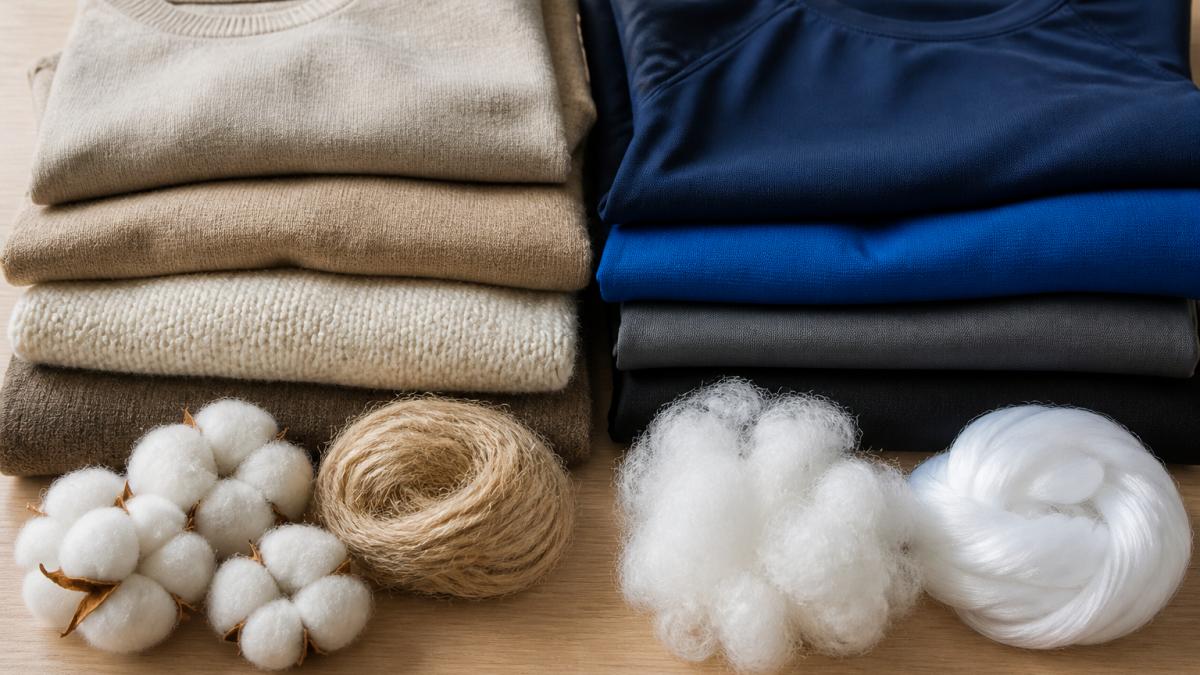
Natural fibers (cotton, linen, wool, hemp) are cellulose or protein fibers from renewable sources. Synthetic fibers (polyester, nylon, acrylic) are petroleum-based polymers created through chemical processes.
Natural fibers possess inherent moisture-wicking and breathability; synthetics require chemical treatment for similar performance but offer superior durability and environmental stress resistance.
At Tremendous World, we recognize that the "better" fiber depends entirely on your environment and use case. A merino wool base layer excels in cold, damp conditions. A synthetic blend dominates in high-intensity urban workouts where sweat management and quick-dry performance matter most. The real advantage comes from understanding where each performs best.
How Moisture-Wicking Properties of Natural Fibers Compare to Synthetics
Natural fibers like merino wool and linen absorb moisture through hydrophilic properties, pulling sweat away from skin and releasing it slowly for natural temperature regulation.
Synthetic fibers are hydrophobic and use surface capillary action to move sweat along the fiber for quick evaporation, creating faster dry-time but less natural temperature regulation.
Synthetic fabrics dry 40-60% faster than natural alternatives, ideal for high-intensity activity. Natural fibers excel in moderate-intensity activities where gradual moisture release prevents temperature swings.
Synthetic blends suit intense, short-duration activity like spin classes; natural fibers manage sustained outdoor exertion better without rapid evaporative cooling that causes temperature fluctuations.
Multi-Environment Performance: Which Fabrics Perform Best

Real-world performance depends on how fabrics respond to specific humidity, temperature, wind, and activity intensity, not just temperature ranges.
High-Humidity Environments (Coastal, Tropical, Summer Monsoon)
Synthetic blends stay dry-to-touch above 80% humidity by moving sweat to the surface. Natural fibers struggle in high humidity: merino wool absorbs moisture and evaporates slowly; cotton takes 4-6 hours to dry. Synthetic blends outperform natural fibers by 60-80% in humid conditions.
Arid Heat Environments (Desert, High Altitude, Low Humidity)
Natural fibers excel in arid heat: linen and hemp release moisture quickly without the synthetic "plasticky" feel, while merino wool prevents temperature swings. Synthetics can overheat in arid conditions due to rapid evaporative cooling. For desert hiking or high-altitude mountaineering below 30% humidity, natural fibers provide superior thermal comfort.
Cold and Damp Environments (Mountain Passes, Winter Rain, Temperate Forests)
Merino wool dominates cold-damp conditions because it retains insulation when wet, synthetics cannot match this. Merino's crimp structure traps air while natural lanolin provides water resistance. A merino wool base layer at 40°F with 70% humidity maintains core warmth during sustained moisture exposure, which is why mountaineering expeditions standardly use merino wool base layers.
Variable Multi-Environment Days (Urban Commute to Gym to Outdoor Activity)
A 50% merino wool, 50% recycled polyester blend captures merino's thermal regulation and odor resistance while gaining polyester's quick-dry efficiency. Hybrid blends perform adequately across all conditions rather than excelling in one, eliminating the need for multiple outfit changes.
Practical Performance Matrix
For high-humidity environments above 70% relative humidity: synthetic blends (polyester-nylon). For arid climates below 40% humidity: natural fibers (linen, hemp, merino). For cold-damp conditions below 50°F: merino wool. For variable conditions requiring a single garment: 50-50 natural-synthetic blends. For frequent washing and high-intensity activity: synthetics. For heirloom pieces worn occasionally: natural fibers.
Is Quick Dry Fabric Good for Sensitive Skin
Quick-dry fabrics designed for synthetic moisture-wicking can irritate sensitive skin, but not because of the quick-dry technology itself. The issue lies in the chemical finishes applied to create hydrophobic properties.
Most polyester quick-dry fabrics receive durable water-repellent (DWR) and antimicrobial coatings that can trigger reactions in people with contact dermatitis or sensitive skin, not the quick-dry technology itself.
Natural fiber quick-dry alternatives exist but are rare. Linen dries quickly due to its loose weave structure, not chemical treatment. Merino wool resists odor naturally without antimicrobial coatings. Both options work for sensitive skin because they rely on fiber properties rather than chemical finishes.
For sensitive skin, check fabric composition and treatment history. Look for synthetics labeled "untreated" or "chemical-free," or prefer natural fibers without antimicrobial finishes. Test new fabrics during short activities first.
Tremendous World's approach emphasizes fabric transparency, ensuring customers understand exactly what they're wearing against their skin.
Durability and Longevity: Natural vs Synthetic in Real Conditions
Synthetic fibers demonstrate superior tensile strength and durability. A synthetic athletic shirt lasts 100+ washes before visible degradation; cotton or linen shows wear after 60-80 cycles.
Natural fibers offer different longevity: hemp is stronger than polyester per fiber weight and softens with washing; merino wool resists pilling when properly cared for; linen becomes softer and more durable over years.
Natural fiber durability depends on care: merino wool requires gentle washing and proper storage; linen needs correct drying to avoid permanent wrinkles; hemp needs specific detergents. Synthetics tolerate rough treatment.
For active lifestyles with frequent washing, synthetic blends win on durability. For heirloom-quality pieces you'll wear for decades, natural fibers actually improve with age. Most practical wardrobes need both: synthetic performance pieces for high-frequency use and natural fiber basics for longevity.
How to Care for Performance Fabrics: Natural and Synthetic
Synthetic performance fabrics require minimal care: wash in cold water with standard detergent, avoid fabric softener, and air dry when possible. They tolerate aggressive washing without degrading.
Natural fiber care demands specificity: merino wool needs cold water and wool-specific detergent; linen requires proper drying to avoid creasing; hemp softens with gentle treatment; cotton needs cold water to prevent fading.
The practical difference: grab a synthetic piece, throw it in the wash, and wear it tomorrow.
Environmental Impact: Biodegradability, Carbon Footprint, and End-of-Life Disposal
End-of-Life Disposal: The Practical Gap
The most sustainable wardrobe combines both fiber types strategically: natural fibers for basics and heirloom pieces designed for longevity, synthetic performance fabrics for high-frequency items where durability justifies the microplastic tradeoff, and a commitment to extending garment lifespan through proper care and repair rather than replacement.
Natural vs Synthetic Fibers: Quick Comparison Table
| Characteristic | Natural Fibers | Synthetic Fibers | Best For |
|---|---|---|---|
| Moisture-Wicking | Gradual, temperature-stable | Fast, evaporative | Synthetics for intense activity; natural for sustained exposure |
| Breathability | Excellent, inherent | Good if treated | Natural fibers in warm climates |
| Durability (wash cycles) | 60-80 before visible wear | 100+ cycles standard | Synthetics for frequent-use pieces |
| Quick-Dry Performance | Slow (2-4 hours) | Fast (30-60 minutes) | Synthetics for gym and commute |
| Care Requirements | Specific, gentle methods | Standard washing safe | Synthetics for low-maintenance wardrobes |
| Biodegradability | Complete (1-5 years) | 200+ years in landfills | Natural fibers for end-of-life sustainability |
| Thermal Regulation | Superior in cold/damp | Consistent across range | Natural for variable temperatures; synthetic for stability |
| Cost Per Wear | Lower for heirloom pieces | Lower for high-frequency items | Depends on garment lifespan |
The choice between natural vs synthetic fibers isn't binary. The most effective multi-environment wardrobe combines both, using each fiber type where it performs best. Synthetic blends handle intense urban workouts and frequent washing. Natural fibers deliver comfort and sustainability for pieces you'll wear for years.
Frequently Asked Questions
What are the primary performance differences between natural and synthetic fibers?
Natural fibers like merino wool and linen excel at moisture absorption and thermal regulation across temperature swings, making them ideal for variable environments. Synthetic fibers like polyester dry faster and resist wrinkles, but often trap moisture and heat. Natural fibers breathe better in humid conditions; synthetics perform better in high-intensity, sweat-heavy activity where speed matters more than comfort.
Is quick dry fabric good for sensitive skin?
Quick-dry synthetic fabrics can irritate sensitive skin because they're often treated with chemical finishes and don't absorb moisture well, causing sweat to pool on skin. Natural quick-dry options like bamboo and merino wool are gentler, they wick moisture away from skin without chemical coatings. If you have sensitive skin, prioritize natural fiber blends or synthetics specifically labeled hypoallergenic.
How do I care for performance fabrics to extend their lifespan?
Natural fibers require gentler handling: wash merino wool in cool water, air-dry linen to prevent shrinkage, and avoid high heat. Synthetics tolerate machine washing and higher temperatures but degrade faster with excessive heat drying. Both benefit from turning garments inside out before washing, using mild detergent, and air-drying when possible. Check care labels for fiber-specific guidance, as blends may have hybrid requirements.
Which fabric type is more durable for multi-environment use?
Hemp and high-quality merino blends offer exceptional durability across varied conditions. Hemp has superior tensile strength and resists wear even on rough terrain. Merino wool maintains insulation when damp and resists odor buildup, extending time between washes. Synthetics like polyester are durable but degrade under UV exposure and high heat. For true multi-environment wear, natural fibers or hybrid blends outperform pure synthetics.
What's the environmental impact difference between natural and synthetic clothing?
Natural fibers like organic linen and hemp are biodegradable and renewable, but require water-intensive farming. Synthetic fibers are petroleum-based and shed microplastics throughout their lifecycle, contributing to pollution. However, synthetic durability means fewer replacements. Responsible sourcing matters, RWS-certified merino and organic cotton reduce environmental harm. End-of-life disposal favors natural fibers, which decompose; synthetics persist in landfills for decades.