 listicle
Sustainable Athletic Apparel for Men: 2026 Guide
Table of Contents
- What to Look For in Sustainable Athletic Apparel
- Natural vs. Synthetic Fibers: Performance and Sustainability Trade-offs
- Moisture Wicking Street Clothes for Men: Finding Technical Gear That Works Off the Gym
- Recycled Polyester Activewear Benefits: Why Post-Consumer Materials Matter
- Ethical Manufacturing and Fair Trade Certifications
- How to Wash Sustainable Athletic Gear: Extending Garment Life and Reducing Microplastics
- Top Sustainable Athletic Brands for Men
- Tremendous World: Premium Streetwear for City and Trail
- Patagonia: The Industry Standard for Recycled Materials and Fair Trade
- Definite Articles: Circular Economy Design and Accessible Pricing
- Jungmaven: Natural Hemp Alternatives to Synthetics
- tentree: Carbon-Neutral Manufacturing and Environmental Impact
- Boldwill: Plastic-Free Performance Without Microplastic Shedding
- Girlfriend Collective: Recycled Bottles and Inclusive Sizing
- Ten Thousand: High-Durability Gear for Serious Athletes
- End-of-Life Recycling Programs: What Happens After the Gear Wears Out
- Frequently Asked Questions
Last Updated: September 24, 2026
What to Look For in Sustainable Athletic Apparel
Shopping for sustainable athletic apparel for men requires evaluating materials, manufacturing ethics, performance durability, and end-of-life impact. At Tremendous World, we've identified what separates genuine sustainability from greenwashing.
Fiber composition is critical. Natural fibers like organic cotton and hemp offer breathability and biodegradability but lack moisture-wicking performance. Recycled polyester delivers technical performance while reducing virgin plastic demand, though microplastic shedding remains a concern. The best sustainable athletic apparel balances these trade-offs honestly.
Demand supply chain transparency: Fair Trade Certified labels, third-party audits, and published manufacturing locations signal accountability. Avoid brands using vague language like "ethically sourced" without specifics. Verify the company tracks carbon footprint, water usage, and chemical treatments.
Durability matters most: a shirt lasting five years has lower environmental impact than three cheaper alternatives. Examine seam construction, fabric weight, and colorfastness. Read reviews about longevity, not just initial comfort.
Investigate end-of-life responsibility: Does the brand offer take-back programs? Are materials actually recyclable? This separates leaders from pretenders.
Natural vs. Synthetic Fibers: Performance and Sustainability Trade-offs
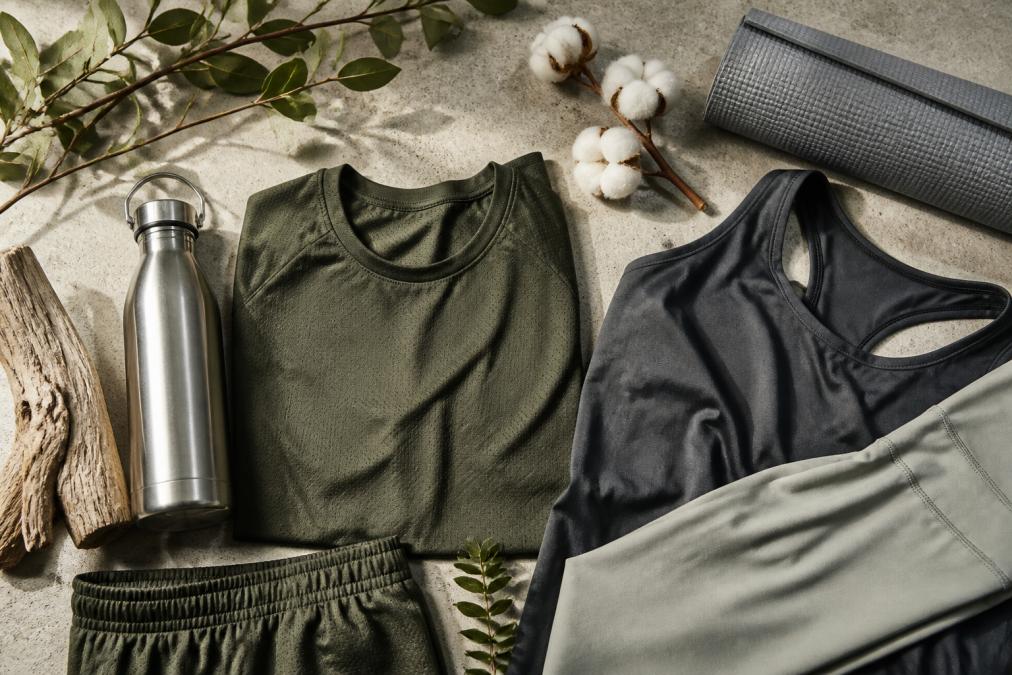
Fiber choice determines performance and longevity. Natural fibers like organic cotton, hemp, and merino wool are biodegradable but lack the moisture-wicking of synthetics.
Organic cotton breathes well for casual wear. Hemp is durable and naturally antimicrobial. Merino wool regulates temperature and resists odor. The tradeoff: none wick moisture as aggressively as synthetics, making them less ideal for high-intensity workouts.
Recycled polyester and nylon solve moisture-wicking while diverting plastic from landfills. The primary environmental win is reducing virgin plastic extraction. The concern is microplastic shedding during washing, which natural fibers avoid but don't match in technical performance.
Choose based on use case: natural fibers for casual wear and low-intensity training; recycled synthetics for high-performance workouts and trail use. The most sustainable choice is one you'll wear repeatedly and care for properly.
| Fiber Type | Moisture-Wicking | Biodegradable | Durability | Best For |
|---|---|---|---|---|
| Organic Cotton | Moderate | Yes | Good | Casual wear, low-intensity |
| Hemp | Moderate | Yes | Excellent | Durable everyday gear |
| Merino Wool | Good | Yes | Very Good | Temperature regulation |
| Recycled Polyester | Excellent | No | Good | High-performance workouts |
| Recycled Nylon | Excellent | No | Excellent | Technical trail gear |
Moisture Wicking Street Clothes for Men: Finding Technical Gear That Works Off the Gym
Most men struggle finding moisture wicking street clothes for men that transition from gym to real life, coffee meetings, dinner, commutes, without looking athletic.
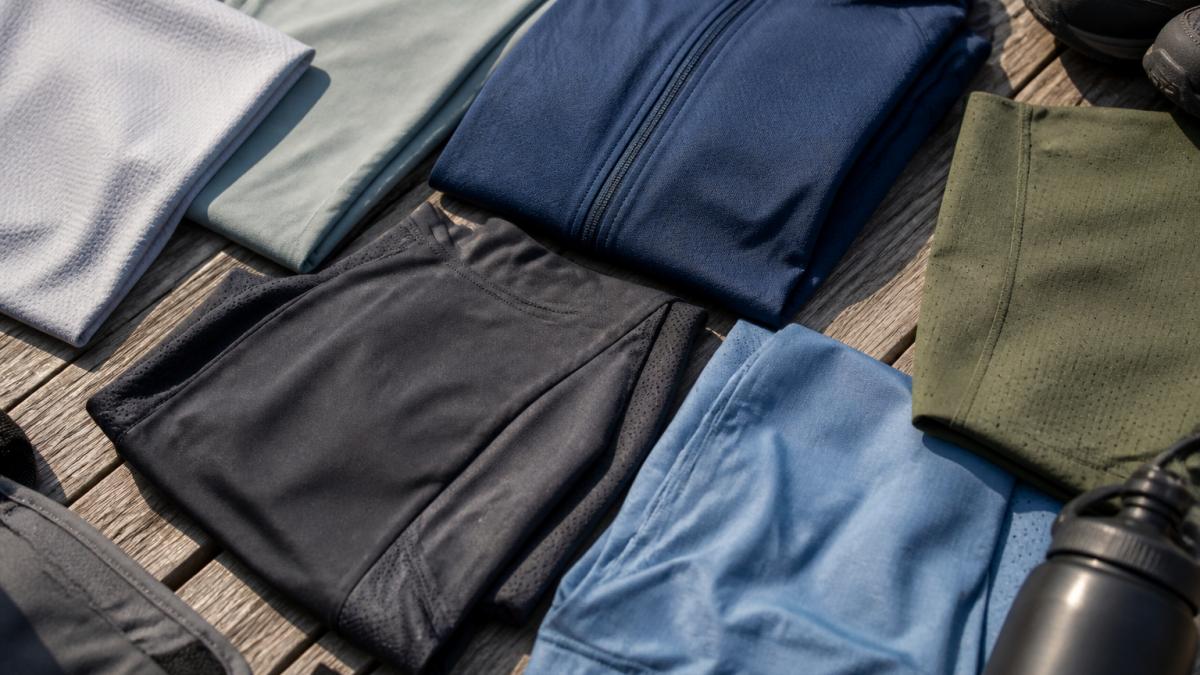
Modern moisture-wicking street clothes for men use synthetic blends that pull sweat away while maintaining clean appearance. The best look like regular streetwear but perform technically: flat seams, sweat-resistant colors, tailored fits.
Seek anti-odor treatments that reduce bacterial growth without heavy chemical coatings. Silver-ion technology, natural antimicrobial properties, or quick-drying construction all prevent odor development.
Test whether pieces work for your lifestyle. A shirt that wicks moisture but wrinkles easily isn't versatile. Check reviews from commuters and mixed-activity users.
Recycled Polyester Activewear Benefits: Why Post-Consumer Materials Matter
Recycled polyester activewear benefits the environment by keeping plastic out of landfills and reducing virgin petroleum extraction. Post-consumer waste gets sorted, shredded, and spun into fiber performing identically to virgin polyester.
Ethical Manufacturing and Fair Trade Certifications
Where gear is made and under what conditions matters as much as materials. Ethical manufacturing means fair wages, safe conditions, reasonable hours, and no child labor. Fair Trade Certified labels provide third-party verification.
How to Wash Sustainable Athletic Gear: Extending Garment Life and Reducing Microplastics
How you care for sustainable athletic gear determines its lifespan and environmental impact. Proper washing extends garment life significantly, the most important sustainability action.
| Care Practice | Impact on Longevity | Impact on Microplastics |
|---|---|---|
| Washing inside-out | Extends 20-30% | Reduces 15-25% |
| Cold water only | Extends 15-25% | Reduces 10-15% |
| Air drying | Extends 25-35% | Reduces 30-40% |
| Washing machine filter | Minimal direct impact | Reduces 80-90% |
| Reduced wash frequency | Extends 30-50% | Reduces 30-50% |
Top Sustainable Athletic Brands for Men
Tremendous World: Premium Streetwear for City and Trail
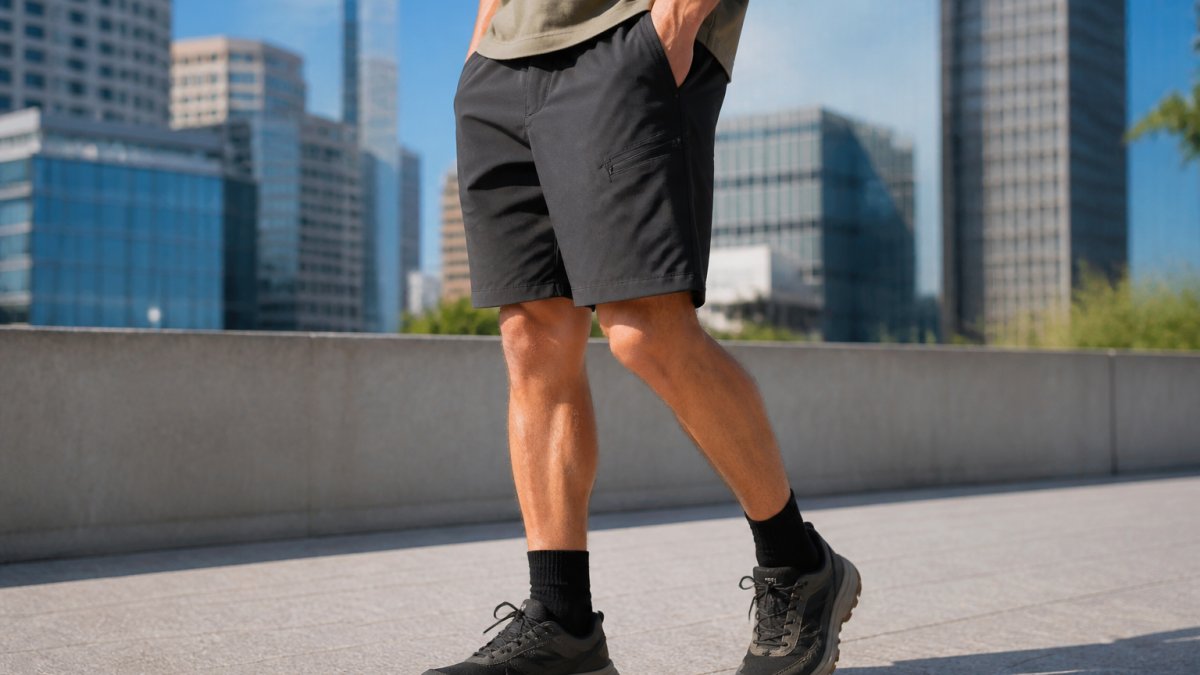
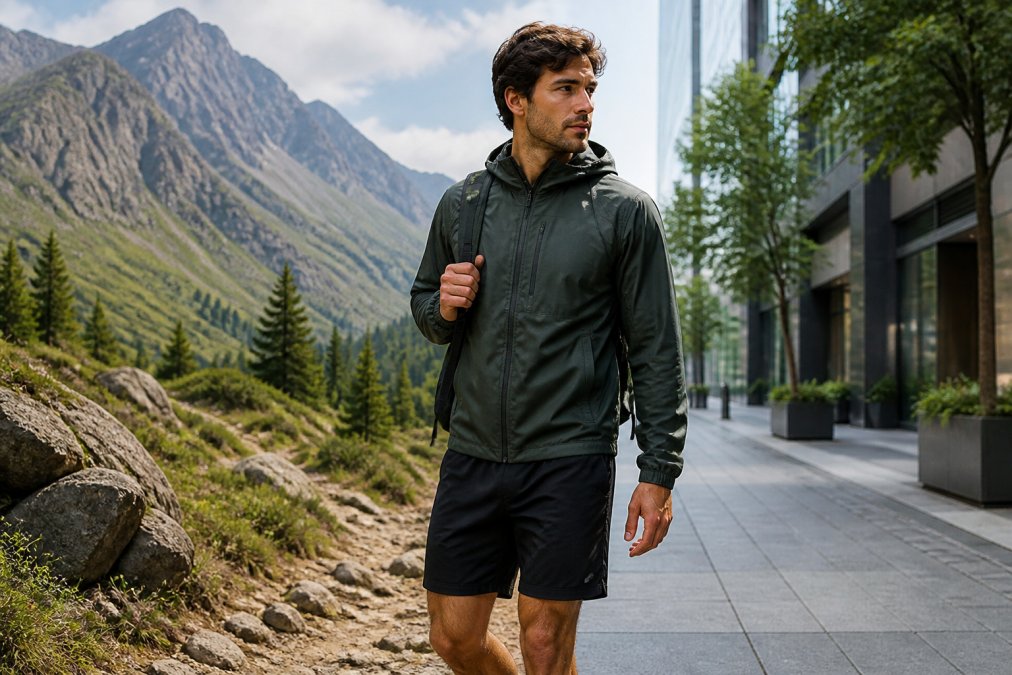
Tremendous World offers premium athletic lifestyle apparel and streetwear designed for those moving between city streets and mountain trails, crafted for the active and ambitious.
Patagonia: The Industry Standard for Recycled Materials and Fair Trade
Patagonia uses recycled polyester and nylon extensively with transparent environmental tracking. Fair Trade Certified sewing ensures living wages and safe conditions.
Pros:
- Recycled materials with transparent tracking
- Fair Trade Certified manufacturing
- Exceptional durability and repair guarantee
- Genuine environmental commitment
Cons:
- Higher price point limits accessibility
- Not specifically designed for streetwear transitions
Definite Articles: Circular Economy Design and Accessible Pricing
Definite Articles uses circular economy principles: designs pieces for recycling and reuse, with a take-back program for worn pieces.
Pros:
- Accessible pricing for sustainable options
- Genuine circular economy implementation
- Strong environmental commitment
- Minimalist designs that age well
Cons:
- Limited product range
- Less brand recognition than established competitors
Jungmaven: Natural Hemp Alternatives to Synthetics
Jungmaven specializes in hemp-based apparel, requiring minimal water and pesticides. Hemp is naturally antimicrobial, reducing odor and washing frequency.
Pros:
- Excellent natural fiber with minimal environmental impact
- Exceptional durability
- Naturally antimicrobial properties
- Transparent sourcing and manufacturing
Cons:
- Limited moisture-wicking for high-intensity use
- Less stylish for strict streetwear applications
tentree: Carbon-Neutral Manufacturing and Environmental Impact
tentree plants ten trees for every item purchased and operates carbon-neutral manufacturing, offsetting production and shipping emissions.
Pros:
- Direct environmental impact through tree planting
- Carbon-neutral manufacturing
- Balanced material selection
- Strong environmental transparency
Cons:
- Not specialized for high-performance technical use
- Design aesthetic is good but not distinctive
Boldwill: Plastic-Free Performance Without Microplastic Shedding
Boldwill avoids synthetic materials entirely, using natural origin materials engineered for performance and eliminating microplastic shedding.
Pros:
- Eliminates microplastic shedding through natural materials
- Transparent supply chain
- Innovative approach to performance textiles
- Plastic-free design
Cons:
- Limited availability and distribution
- Narrower product range
Girlfriend Collective: Recycled Bottles and Inclusive Sizing
Girlfriend Collective manufactures activewear from recycled plastic bottles with transparent tracking. Each piece's bottle count is labeled.
Pros:
- High-quality recycled materials with transparent tracking
- Inclusive sizing and thoughtful design
- Fair Trade Certified manufacturing
- Strong environmental commitment
Cons:
- Limited men's product range
- Sizing primarily focused on women's bodies historically
Ten Thousand: High-Durability Gear for Serious Athletes
Ten Thousand focuses on minimalist, high-durability gear for serious training, using technical fabrics optimized for performance.
Pros:
- Exceptional durability for intense training
- Functional design focused on performance
- Anti-odor and moisture-wicking technology
- Long-term cost-effectiveness
Cons:
- Higher price point
- Minimalist aesthetic doesn't work for streetwear transitions
- Not the best choice for casual wear
End-of-Life Recycling Programs: What Happens After the Gear Wears Out
Where gear goes after wearing out determines true environmental impact. Leading sustainable brands operate take-back programs ensuring responsible processing.
Frequently Asked Questions
What makes athletic apparel sustainable?
Sustainable athletic apparel combines three factors: materials (recycled polyester, organic cotton, hemp, or other low-impact fibers), ethical production (fair wages, safe conditions, transparent supply chains), and durability (gear that lasts years, not months). Brands may also track carbon footprint, use non-toxic dyes, avoid PFAS-based water resistance, and offer end-of-life recycling programs. True sustainability means the entire lifecycle, from fiber sourcing through manufacturing to disposal, minimizes environmental harm.
Are there eco-friendly alternatives to polyester in activewear?
Yes. Organic cotton is breathable but less moisture-wicking than synthetics. Hemp requires minimal pesticides and water, offering durability and breathability without microplastic shedding. Bamboo viscose (Tencel) is biodegradable and soft, though production is chemical-intensive. Merino wool regulates temperature naturally and resists odor. Recycled polyester reuses post-consumer plastic waste, reducing virgin plastic demand. The trade-off: natural fibers often sacrifice some moisture-wicking and quick-dry performance that synthetic alternatives provide.
How do I know if a men's activewear brand is truly sustainable?
Look for third-party certifications: Fair Trade Certified, Global Organic Textile Standard (GOTS), or B Corp status. Request transparency, real brands publish supply chain details, material sourcing, and manufacturing locations. Avoid vague claims like 'eco-friendly' without specifics. Check if they offer garment recycling programs, use renewable energy in factories, or publicly report carbon emissions. Read customer reviews for durability; a brand claiming sustainability but producing short-lived gear is greenwashing. Some brands openly share environmental impact data.
What are the benefits of wearing organic cotton or recycled materials for workouts?
Organic cotton eliminates synthetic pesticide exposure during production and is fully biodegradable at end-of-life. Recycled polyester diverts post-consumer plastic from landfills, reducing virgin plastic extraction and carbon emissions. Both support circular economy models. The performance benefit: recycled polyester maintains moisture-wicking and durability comparable to virgin synthetics, while organic cotton offers breathability ideal for lower-intensity activities. Recycled materials also cost less to produce than virgin alternatives, potentially lowering prices for consumers.
Which sustainable brands offer the best moisture-wicking performance?
Some brands lead in performance-grade moisture-wicking using recycled synthetic blends engineered for sweat management. Others combine recycled polyester with organic cotton for balanced breathability and wicking, or specialize in performance fabrics designed for high-intensity training while maintaining circular design principles. Some prioritize natural fibers with lower moisture-wicking but excellent breathability for casual workouts. For serious athletes needing both sustainability and technical performance, recycled polyester blends often outperform pure natural fibers in sweat-wicking speed.