 how-to
How to Find Durable Athletic Gear: 2026 Buyer's Guide
Table of Contents
- What You'll Need Before You Shop
- How to Find Durable Athletic Gear: Start With Fiber Content
- The Best Fabric for Workout Clothes: Match It to Your Training
- How to Test Stretch, Seams, and Construction in the Fitting Room
- How to Care for Athletic Apparel So It Lasts
- Cost Per Wear: The Math That Beats Sticker Price
- Repair, Upcycle, and Give Gear a Second Life
- Frequently Asked Questions
Last Updated: September 18, 2026
What You'll Need Before You Shop
You do not need a lab to judge athletic gear, just your hands, ten minutes in a fitting room, and a short checklist.
Durable athletic gear is clothing built to survive repeated washing, stretching, and abrasion without losing its shape, color, or seams. That definition separates construction from marketing: a fabric can feel great on the hanger and still pill, sag, or split within a season.
Bring these to your next try-on:
- A written list of your three most frequent activities
- Your typical laundry routine in mind
- A phone light to inspect stitching up close
- Ten uninterrupted minutes to test stretch and recovery
At Tremendous World, we build premium athletic lifestyle apparel for people who move between city streets and mountain trails, so durability is a daily requirement, not a bonus feature.
How to Find Durable Athletic Gear: Start With Fiber Content
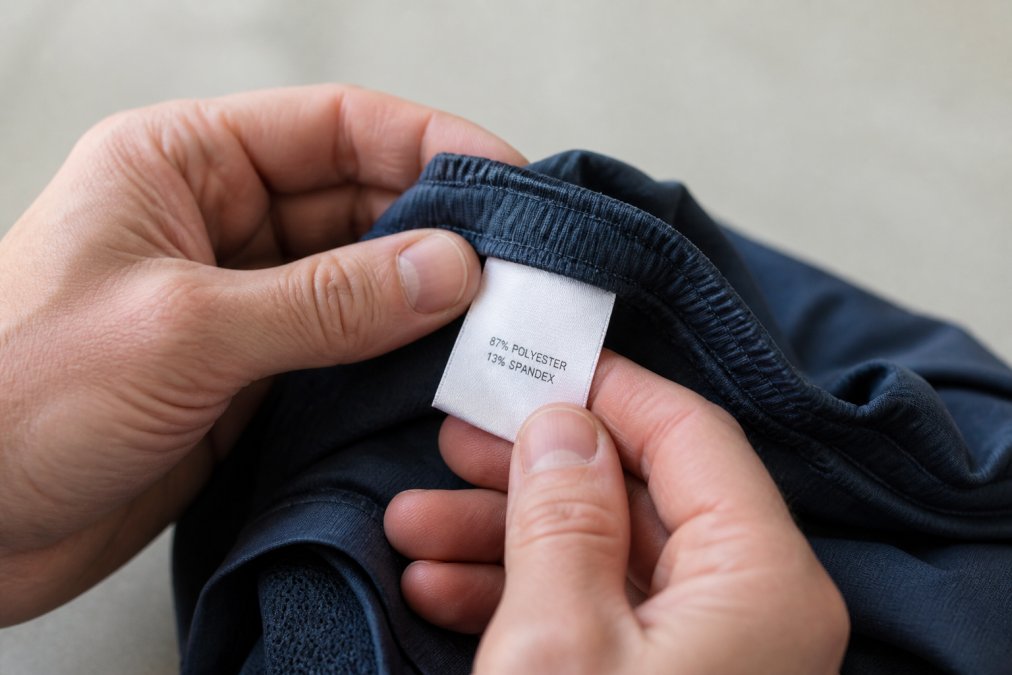
Learning how to find durable athletic gear starts with the tag, not the price. Fiber content tells you more about how a garment will age than any logo.
Synthetic fibers such as polyester, nylon, and elastane are engineered for stretch, moisture-wicking, and quick drying. Natural fibers such as cotton and merino wool offer breathability and odor resistance but absorb water and dry slowly.
Synthetic vs. Natural Fibers and What Each Does Well
Polyester and nylon dominate performance activewear because they hold shape, resist abrasion, and handle repeated washing. Elastane, usually listed between a small percentage and the mid-teens, supplies four-way stretch and recovery.
Natural fibers earn their place in different conditions. Merino wool regulates temperature well and resists odor, which suits cool-weather hiking and travel. Cotton feels soft but holds sweat, which makes it a poor choice for high-impact training.
Blends That Balance Stretch, Breathability, and Shape Retention
Most good activewear is a blend, and the ratio is the story. A polyester-spandex mix gives stretch and shape retention; adding a small share of natural fiber improves hand feel and thermal regulation at the cost of slower drying.
Read the percentages in order: the first fiber listed is the largest share. Elastane last at a low percentage means modest stretch; higher means more compression and recovery.
The Best Fabric for Workout Clothes: Match It to Your Training
The best fabric for workout clothes depends on your workout, not a single universal winner. Matching fabric to intensity is the fastest way to stop replacing gear every few months.
| Training Type | Fabric Priority | What to Look For |
|---|---|---|
| High-impact training | Compression and recovery | Higher elastane content, dense knit |
| Functional fitness | Abrasion resistance | Nylon blends, reinforced seams |
| Hiking and trails | Thermal regulation | Wool blends, hydrophobic finishes |
| Yoga and studio | Non-restricting stretch | Four-way stretch, soft hand feel |
| Commute and casual | Shape retention | Polyester blends, anti-microbial finish |
High-impact training punishes weak fabric. Look for denser knits with real compression and enough elastane to snap back after every squat.
Functional fitness adds friction from barbells, ropes, and mats, so abrasion resistance tops the list. Nylon blends and reinforced seams outlast thin cotton blends.
Trail use changes the equation again. Thermal regulation and odor resistance matter more than raw stretch, which is where wool blends earn their keep.
How to Test Stretch, Seams, and Construction in the Fitting Room
You can run a real durability assessment in under five minutes without equipment. Stress the garment the way your body and washing machine will, then watch how it responds, five checks catch most weak construction before you buy.
Check Tensile Strength and Abrasion Resistance Under Tension
Grip the fabric at two points about six inches apart, pull firmly, hold for a slow three-count, then release. Good fabric springs back within a second or two; fabric that stays stretched, ripples, or shows a memory of your grip has poor recovery and will sag at the knees, seat, and elbows.
Repeat the pull at a 45-degree angle. Knits that recover in one direction but not the other twist after a few washes, a failure called spirality that leaves the garment hanging crooked.
For abrasion resistance, run your thumbnail firmly across the surface ten times in one spot, the way a barbell knurl or backpack strap would. If fibers lift, fuzz, or ball up, expect visible pilling within weeks, a clear early signal of short garment longevity.
A light test adds another data point: hold the fabric up to a phone light. Visible yarns or bright pinholes mean a thin knit, and thin knits pill and lose shape faster under abrasion.
Inspect Seam Integrity and Stitch Density
Turn the garment inside out and inspect the seams under good light. You want a tight, even stitch line with no loose threads, skipped stitches, or visible needle holes. A common benchmark is roughly 10 to 12 stitches per inch on main seams; sparser stitching (6 to 8) leaves more fabric between anchors and fails sooner under tension.
Look at the seam type, not just the stitch count.
How to Care for Athletic Apparel So It Lasts
How you wash athletic apparel affects its lifespan as much as how it is made. Heat, agitation, and fabric softener are the three biggest enemies of performance fabric, and each attacks a different part of the garment.
What Actually Breaks Down in the Wash
Elastane (spandex) is most sensitive to heat. Repeated hot water and high-heat drying accelerates hydrolysis of the polyurethane bonds that give the fiber its stretch, which is why old gear goes limp and baggy rather than tearing. Once elastane fatigues, nothing brings it back, so slow that process from day one.
Wash Settings, Detergents, and Drying That Preserve Fabric
Wash in cold water on a gentle cycle: cold protects elastane, and gentler agitation reduces the fiber-on-fiber friction that drives pilling. Turn garments inside out so abrasion hits the interior surface where it matters less.
How Often to Wash, and When to Skip It
Not every wear needs a wash. Gear worn for a short, low-sweat session can be aired out and worn again, cutting wash cycles and the wear they cause. The exception is anything worn against skin for a long, sweaty session, since salt and bacteria break down fibers and cause odor airing will not fix.
Cost Per Wear: The Math That Beats Sticker Price
Cost per wear is the price of a garment divided by the number of times you wear it, the single most useful number in this guide.
Repair, Upcycle, and Give Gear a Second Life
A failed seam is not the end of a garment. Small repairs add months or years to gear that still has good fabric.
Frequently Asked Questions
What features make athletic gear more durable?
Fiber content, construction, and finishing decide how long gear lasts. Look for a higher elastane content for fabric recovery, four-way stretch, and reinforced seams with dense stitching. Abrasion resistance and pilling resistance matter most where fabric rubs, like inner thighs and underarms. Moisture-wicking and anti-microbial finishes help with odor resistance, but they do not replace good construction. Check the care label too: gear that needs cold wash and air dry usually holds its shape longer than pieces that demand high heat.
Which fabric blends are best for long-lasting workout clothes?
The best fabric for workout clothes depends on your training. For high-impact training, a nylon and elastane blend gives strong abrasion resistance and shape retention. For functional fitness or yoga, polyester and elastane offers lightweight four-way stretch and quick drying. Natural fibers like merino wool work well for thermal regulation on cooler days, though they pill faster under heavy friction. Blends that combine synthetic fibers with a small share of natural fibers can balance breathability with durability, so check the tag before you buy.
Does price always correlate with durability in athletic apparel?
No. Price often reflects branding, design, and marketing more than textile durability. A lower-cost piece with dense stitching, reinforced seams, and a sensible blend can outlast a more expensive one with thin fabric and loose construction. Run a cost-per-wear check: divide the price by how many times you realistically wear and wash the item. A piece you wear twice a week for two years usually beats a cheaper item that pills after ten washes, even if the upfront cost is higher.
How should you care for athletic gear to extend its lifespan?
Wash in cold water on a gentle cycle and turn garments inside out to protect the outer surface from abrasion. Skip fabric softener because it coats fibers and reduces moisture-wicking. Use a mesh laundry bag for items with zippers or velcro. Air dry whenever possible; high heat breaks down elastane and causes shape loss. Wash after every one or two wears, not less, because trapped sweat and oils degrade fibers and encourage odor. Store folded rather than hung to avoid stretching shoulder seams.