 listicle
Sustainable Athletic Clothing for Men: 8 Top Picks for 2026
Table of Contents
- Quick Comparison: Top Sustainable Athletic Clothing for Men
- How We Evaluated These Sustainable Activewear Brands
- 1. Tremendous World: Premium Versatility for City and Trail
- 2. tentree: Recycled Materials with drirelease Technology
- 3. Ten Thousand: Built for High-Intensity Durability
- 4. Janji: Sustainable Running Gear for Endurance Athletes
- 5. Definite Articles: Non-Toxic Men's Activewear Without Compromise
- 6. Pact: GOTS-Certified Organic Cotton for Everyday Comfort
- 7. Seadon: Outdoor Durability in Recycled and Natural Blends
- 8. PANGAIA and Reclaim Apparel: Bio-Based Innovation and Biodegradable Options
- How to Choose Sustainable Activewear
- Natural vs. Recycled Synthetic Materials: Which Performs Better?
- Caring for Eco-Friendly Athletic Gear
- Frequently Asked Questions
Last Updated: September 17, 2026
Quick Comparison: Top Sustainable Athletic Clothing for Men
Sustainable athletic clothing for men is apparel made from recycled, organic, or biodegradable fibers that limits environmental harm without sacrificing performance. This guide cuts through the greenwashing to show which brands deliver, eight brands worth your money, judged on where their materials come from and how their clothes perform after fifty washes.
Quick Picks:
- Best Overall: Tremendous World, premium versatility for city streets and mountain trails
- Best for Runners: Janji, lightweight, breathable fabrics built for distance
- Best Budget Pick: Pact, GOTS-certified organic cotton at an accessible price
- Best for Non-Toxic Materials: Definite Articles, chemical-free fabrics without performance trade-offs
| Brand | Starting Price | Best For | Standout Feature |
|---|---|---|---|
| Tremendous World | See site | City-to-trail versatility | Premium streetwear meets trail durability |
| tentree | $45 | Recycled moisture management | drirelease technology |
| Ten Thousand | $68 | High-intensity training | Reinforced construction |
| Janji | $54 | Distance running | Reflective visibility elements |
| Definite Articles | $60 | Non-toxic priorities | Chemical-free fabric treatments |
| Pact | $35 | Everyday comfort | GOTS-certified organic cotton |
How We Evaluated These Sustainable Activewear Brands
We scored each brand on material sourcing, real-world performance, durability, and supply chain transparency, weighting price-per-wear over sticker price. A recycled polyester shirt that pills after ten washes is not sustainable, no matter what the tag says, so garment longevity weighed heavily.
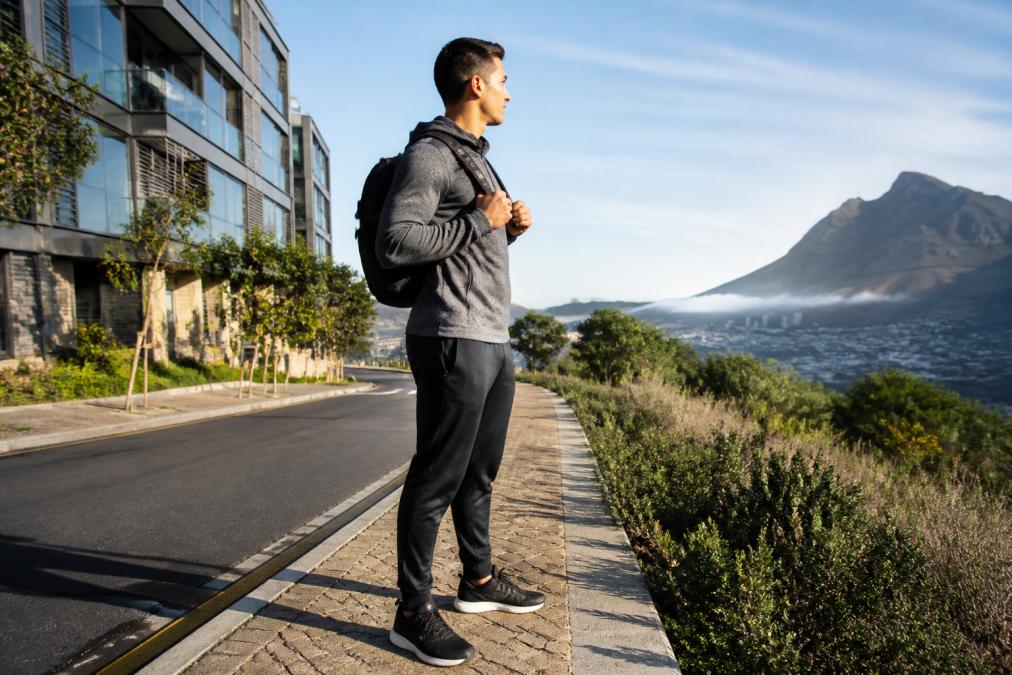
1. Tremendous World: Premium Versatility for City and Trail
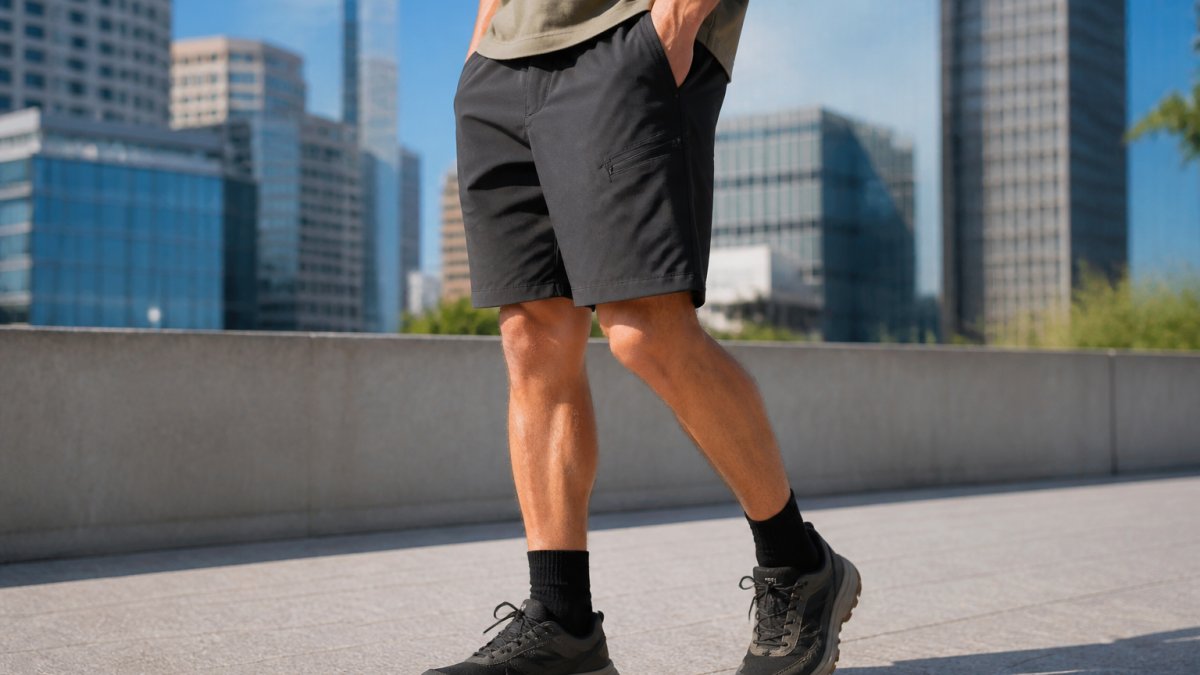
Tremendous World offers premium athletic lifestyle apparel that blends streetwear design with trail-ready construction, so it looks sharp at a coffee shop and holds up on a rocky descent.
Performance and Sustainability Highlights
The fabrics prioritize durability and comfort: moisture-wicking properties keep you dry on the trail, while the cut and finish suit casual urban wear. Tremendous World builds its entire line around that transition.
Who It's For
Tremendous World stocks a range of sizes, and the return policy lets you test fit before committing.
2. tentree: Recycled Materials with drirelease Technology
tentree turns recycled water bottles into performance fabric through its InMotion collection. drirelease technology moves sweat away fast, and zinc-based additives control odor without chemical treatments.
3. Ten Thousand: Built for High-Intensity Durability
Ten Thousand targets serious athletes with reinforced construction and anti-odor treatments. Starting around $68, it costs more than entry-level activewear, but durability justifies the price-per-wear for daily training. The modular design lets you match pieces to specific workout needs; the minimalist aesthetic may not suit men who want streetwear styling.
4. Janji: Sustainable Running Gear for Endurance Athletes
Janji builds running-specific gear with lightweight, breathable technical fabrics and ergonomic fits for long distances, plus high-visibility reflective elements for early morning or evening runs.
5. Definite Articles: Non-Toxic Men's Activewear Without Compromise
Definite Articles focuses on non-toxic men's activewear, using eco-friendly fabric treatments free from the chemical finishes common in mainstream gear, with moisture-wicking performance intact. Carbon-neutral shipping adds accountability; starting around $60, the smaller catalog is the main drawback.
6. Pact: GOTS-Certified Organic Cotton for Everyday Comfort
Pact keeps things simple: GOTS-certified organic cotton, Fair Trade Certified factory production, and breathable natural construction, starting around $35.
7. Seadon: Outdoor Durability in Recycled and Natural Blends
Seadon blends recycled polyester with merino wool for outdoor layering that resists odor naturally. The packable designs suit hiking and trail running and hold up to repeated use.
8. PANGAIA and Reclaim Apparel: Bio-Based Innovation and Biodegradable Options
PANGAIA uses bio-based and recycled fiber technology with environmentally friendly dye processes. Starting around $95, it is the priciest option, but the material science is ahead of the field.
How to Choose Sustainable Activewear
Choosing sustainable activewear comes down to four questions: what you actually do in the garment, which certifications back the claims, how long it lasts, and what it costs per wear.
Step 1: Match the fabric to the activity
Fiber choice is the biggest performance variable; get it wrong and no certification will save the garment.
- High-intensity training and lifting: recycled polyester or recycled nylon blends. They wick sweat, dry fast, and hold shape through repeated wash cycles. Look for four-way stretch and flatlock seams to reduce chafing.
- Distance running: lightweight recycled polyester or lyocell/Tencel blends. Prioritize breathability and quick-dry over compression. Reflective trim matters if you run before sunrise or after dusk.
- Yoga, walking, and casual wear: GOTS-certified organic cotton, hemp blends, or merino wool. These breathe well and resist odor naturally, but they absorb sweat and dry slowly, so they underperform in high-output sessions.
- Hiking and trail: merino wool blends or recycled polyester with a durable water-repellent (DWR) finish. Note that conventional DWR often relies on PFAS chemistry; brands moving to PFAS-free finishes will say so explicitly.
Step 2: Verify the certifications
Certifications are the fastest way to separate verified claims from marketing. The ones that matter most:
- GOTS (Global Organic Textile Standard) verifies organic fiber content plus processing and social criteria across the supply chain. It applies to natural fibers, not recycled synthetics.
- OEKO-TEX Standard 100 confirms the finished fabric has been tested for harmful substances. It does not verify fiber origin or labor practices.
- bluesign approves chemical inputs and manufacturing processes, and is common on performance synthetics.
- GRS (Global Recycled Standard) verifies recycled content and traces it through production. If a brand claims "made from recycled bottles" without GRS or an equivalent, treat the claim as unverified.
- Fair Trade Certified verifies factory-level labor standards and often includes a premium paid to workers.
- B Corp certification is a company-level signal, not a product-level one. It says something about governance and transparency, not about the specific shirt you are buying.
Step 3: Score durability before you buy
Durability is where most sustainable activewear claims fall apart. Practical signals:
- Fabric weight: heavier knits (roughly 180-220 gsm for training tops) generally outlast thin ones.
- Stitch construction: flatlock or overlock seams survive repeated stretching better than standard serging.
- Elastic waistbands: look for encased or bonded waistbands rather than exposed elastic, which degrades fastest.
- Wash-test claims: brands that publish "retains shape after 50 washes" data are rare and worth trusting more than brands that do not.
Step 4: Run the price-per-wear math
Sticker price is the wrong number; price per wear is the right one. The formula: purchase price divided by the number of times you realistically wear the item before it fails.
A worked example using typical U.S. prices:
- Option A: $68 training shorts, worn three times a week for two years (about 312 wears) = roughly $0.22 per wear.
- Option B: $25 training shorts, worn three times a week until they pill and lose elasticity at three months (about 39 wears) = roughly $0.64 per wear.
Step 5: Check the FTC Green Guides before you trust a label
The Federal Trade Commission's Green Guides set the rules for how brands can legally describe environmental claims in the United States. Two things worth knowing:
- A general environmental claim like "eco-friendly" or "green" without qualification can be deceptive under the Guides if it overstates a specific benefit.
- "Recyclable" and "made with recycled content" mean different things. The first is about the product's end-of-life; the second is about its inputs. Brands sometimes blur them.
Natural vs. Recycled Synthetic Materials: Which Performs Better?
Natural fibers like organic cotton and hemp blends breathe well and biodegrade, but absorb sweat and dry slowly. Recycled polyester and recycled nylon wick moisture, dry fast, and hold shape through heavy use.
Caring for Eco-Friendly Athletic Gear
Most guides stop at "wash cold, air dry." That advice is correct but incomplete. What actually determines whether sustainable activewear lives up to its name is how you wash synthetics to limit microplastic shedding, and what you do with the garment when it wears out.
The wash routine that preserves performance
Technical fabrics fail for predictable reasons: heat, mechanical abrasion, and residue buildup. Address all three and a quality garment holds its moisture-wicking and odor-control properties for years.
- Wash cold, every time. Hot water breaks down elastane and accelerates pilling. Cold water also reduces fiber shedding from synthetics.
- Skip the dryer. Heat is the single fastest way to destroy elastic fibers. Air-dry flat or on a line. If you must use a dryer, use the lowest heat setting and remove the garment while slightly damp.
- No fabric softener, no dryer sheets. Both coat technical fabrics and block the moisture-wicking finish. They also leave residue that traps odor.
- Use a gentle, fragrance-free detergent. Optical brighteners and heavy perfumes leave residue that degrades wicking performance over time.
- Wash synthetics inside-out in a mesh bag. This reduces surface abrasion and captures some shed fibers.
- Wash full loads, not small ones. Fewer, fuller loads mean less mechanical agitation per garment across the garment's life.
Microplastic shedding: the hidden cost of recycled synthetics
Recycled polyester and recycled nylon are lower-impact at production than virgin synthetics, but they still shed microfibers in the wash, a documented source of microplastic pollution. You cannot eliminate shedding, but you can cut it substantially.
What works, based on widely reported washing-machine research:
- Guppyfriend-style wash bags. These capture fibers inside the bag during the wash cycle. They are the most direct mitigation available to a household.
- Front-loading machines over top-loaders. Top-loaders use more water and more agitation, which increases fiber release.
- Cold, short cycles. Longer cycles and higher temperatures both increase shedding.
- Liquid detergent over powder. Powder detergents are more abrasive on fibers.
- Fewer washes overall. Spot-clean and air out between wears. Many men wash activewear far more often than needed; a quick hang in open air handles most odor between sessions.
- In-line filters. Some newer washing machines and aftermarket filters capture microfibers at the drain. Availability in the U.S. has expanded in recent years, though it is still not standard.
End-of-life: what to do when the garment is done
This is the step almost every sustainable activewear guide skips. Buying responsibly is half the equation; keeping textiles out of landfills is the other half. Options, in order of preference:
- Brand take-back programs. Several outdoor and activewear brands run take-back or trade-in programs that accept worn gear and route it to resale, recycling, or downcycling into insulation and industrial fiber. Check the brand's site directly, programs change frequently and are not always advertised at checkout.
- Textile recyclers. Curbside recycling generally does not accept clothing. Dedicated textile recyclers and mail-in services do. They sort by fiber content and either resell, re-spin into new yarn, or downcycle.
- Donation and resale. Wearable gear can go to thrift stores or resale platforms. This extends the garment's life, which is the highest-value outcome.
- Municipal textile drop-off. Many U.S. municipalities and retail chains host textile collection bins. These accept items in any condition, including stained or torn pieces.
- Repair before you replace. A blown seam or a worn waistband is often fixable for a fraction of replacement cost. Some brands offer free or low-cost repairs on their own products.
The durability dividend
Every wash cycle you avoid and every repair you make extends the garment's life and lowers its environmental cost. Training shorts worn three times a week for two years cost roughly $0.22 per wear at $68. Stretch them to four years through careful washing and one repair, and cost per wear drops to about $0.11, with the production footprint spread across twice as many uses.
Frequently Asked Questions
What are some sustainable activewear brands for men?
Several brands offer sustainable athletic clothing for men, including Tremendous World, tentree, Ten Thousand, Janji, Definite Articles, Pact, Seadon, and PANGAIA. These brands use materials like recycled polyester, organic cotton, and lyocell, and many hold certifications such as GOTS or OEKO-TEX. When choosing, look for transparency in supply chains and performance features like moisture-wicking and odor control.
What is the best sustainable activewear brand?
The best brand depends on your needs. Tremendous World offers versatile city-to-trail style, tentree offers strong recycled materials with drirelease technology, and Definite Articles focuses on non-toxic men's activewear. Consider your activities, fit preferences, and budget. Check each brand's sustainability certifications and return policy to ensure a good match.
How do I identify truly sustainable athletic clothing?
Look for third-party certifications like GOTS for organic fibers, OEKO-TEX for non-toxic dyes, and Fair Trade for ethical manufacturing. Check for recycled materials such as recycled polyester or nylon, and brands that disclose supply chain transparency. Avoid vague claims; seek specific details on environmental impact and end-of-life programs. Also consider durability and price-per-wear to gauge long-term value.
What are some non-toxic men's activewear brands?
Definite Articles is known for non-toxic, eco-friendly fabric treatments and PFAS-free materials. PANGAIA uses bio-based fibers and environmentally friendly dye processes. Pact offers GOTS-certified organic cotton, which restricts toxic chemicals. When shopping, look for OEKO-TEX Standard 100 certification, which ensures fabrics are free from harmful substances.
How should I care for sustainable athletic clothing to make it last?
Wash in cold water on a gentle cycle and air dry when possible to reduce energy use and preserve fabric integrity. Use a microfiber filter bag to capture microplastics shed during washing. Avoid fabric softeners and bleach, which can break down fibers. Following care instructions extends garment longevity, lowers environmental impact, and improves price-per-wear.