 ultimate-guide
Benefits of Merino Wool Activewear for Hiking
Table of Contents
- Why Merino Wool Activewear Beats Cotton and Synthetics on the Trail
- Merino Wool vs Synthetic Hiking Clothes: Which Performs Better?
- Choosing a Merino Wool Base Layer for Hiking
- Odor Control, Warmth When Wet, and Temperature Regulation
- Durability, Cost Per Wear, and Realistic Garment Lifespan
- How to Wash Merino Wool Activewear So It Lasts
- Conclusion: Is Merino Wool Activewear Worth It for Hiking?
- Frequently Asked Questions
Last Updated: October 8, 2026
Why Merino Wool Activewear Beats Cotton and Synthetics on the Trail
Merino wool activewear is the category of hiking clothing knit from the fine fleece of Merino sheep, and it has become the default base layer for hikers who move through wildly different conditions in a single day. At Tremendous World, we build our trail-to-street line around the same principle: one layer that works as hard on a summit push as it does at dinner afterward. Hikers are drawn to merino wool activewear for a simple reason: it keeps you warm when wet, resists odor over multi-day wear, and regulates body temperature in changing conditions, three things cotton and most synthetics cannot do at once. Below, we break down exactly what merino does well, where it falls short, and how to choose a wool shirt or wool socks that earn their place in your pack.
What Makes Merino Different From Conventional Wool
The difference comes down to fiber diameter. Merino wool fibers are far finer than those in conventional wool, which is why merino feels soft and comfortable against skin instead of scratchy. That finer structure bends rather than pokes, which is the main reason itchiness drops dramatically compared with standard wool sweaters.
Conventional wool is built for warmth and durability first. Merino is built for next-to-skin comfort, and that single shift changes everything about how it performs as a base layer.
The Core Benefits Hikers Care About Most
Here are the benefits that actually matter on the trail:
- Temperature regulation. Merino helps keep you cool and dry when you're climbing and warm when you stop.
- Moisture wicking. It moves sweat away from skin instead of holding it there like cotton.
- Warmth when wet. Unlike cotton, merino keeps insulating even when damp.
- Odor resistance. Natural antibacterial properties slow the buildup of smell during multi-day wear.
- Breathability. Air moves through the fabric, so you don't overheat during exertion.
- Softness. Fine fibers mean less itchiness and more comfort over long hours.
- Natural elasticity. The fiber stretches with you and recovers its shape.
That combination is why merino wool activewear shows up in nearly every serious hiking kit.
Merino Wool vs Synthetic Hiking Clothes: Which Performs Better?
Neither fabric wins outright. Merino wool vs synthetic hiking clothes is a trade-off between comfort and speed, and the right answer depends on your trip.
Synthetics dry faster and cost less. They also handle abrasion well and are easy to machine wash without worry. Where they fall short is odor control, since synthetic fabric tends to hold smell after a day or two of sweat, and they can feel clammy when you stop moving.
Merino wins on odor resistance, temperature regulation, and warmth when wet. It feels better against skin and stays comfortable across a wider range of conditions. Its weaknesses are real: it costs more, dries more slowly, and can develop holes with hard use if you don't care for it.
| Factor | Merino Wool | Synthetic Fabric |
|---|---|---|
| Drying time | Slower | Faster |
| Odor resistance | Excellent | Limited |
| Warmth when wet | Yes | Reduced |
| Cost | Higher | Lower |
| Abrasion durability | Moderate | High |
| Skin comfort | High | Varies |
For most hikers, the practical answer is a merino base layer with a synthetic or blended outer layer. You get odor control and comfort where it touches skin, and fast-drying toughness on the outside.
Choosing a Merino Wool Base Layer for Hiking
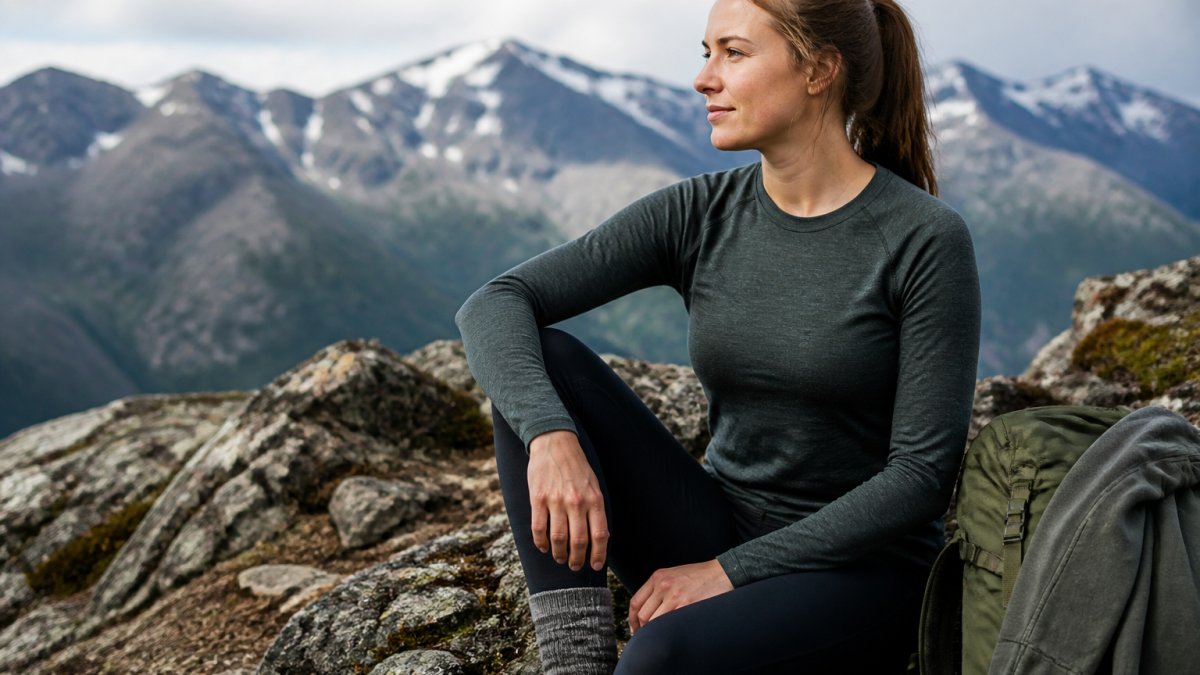
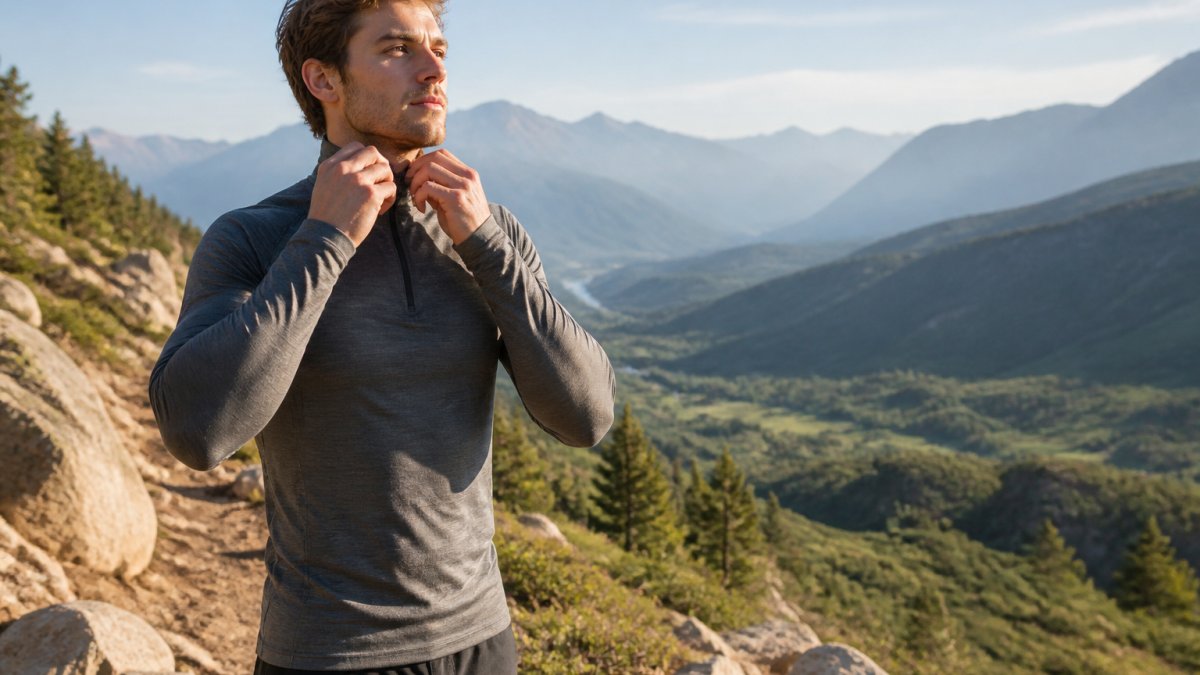
A merino wool base layer for hiking should match the fabric weight to the conditions you expect, not the conditions you hope for. Get the weight right and everything else follows.
Fabric Weight and Fit: What to Look For
Fabric weight is measured in grams per square meter, and it decides whether a layer runs hot or cold:
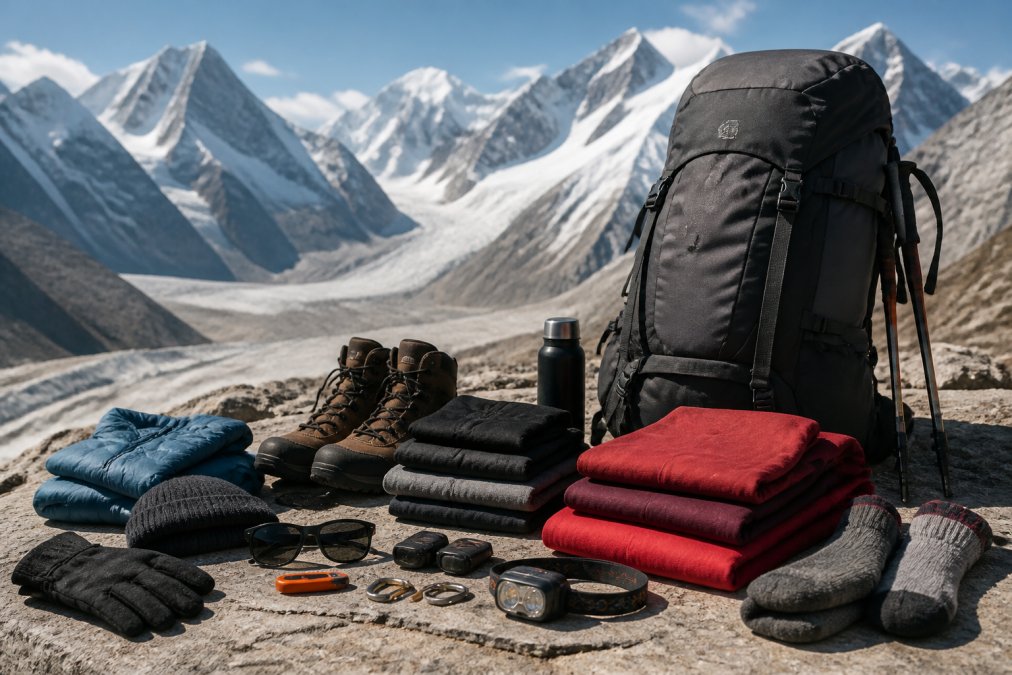
- Lightweight: Best for summer hiking, hot and humid conditions, and high-output days.
- Midweight: The all-rounder for three-season hiking and changing conditions.
- Heavyweight: For cold-weather trips, winter backcountry, and low-output days.
Fit matters just as much. A base layer should sit close to the body without squeezing, because loose fabric can't move sweat off your skin efficiently. Look for flatlock seams to reduce chafing under a pack strap, and check that the hem stays put when you raise your arms.
Odor Control, Warmth When Wet, and Temperature Regulation
Odor control is where merino separates itself from everything else in your pack. The fiber's natural antibacterial properties slow the bacteria that cause smell, which is why a wool shirt can go several days of hard hiking before it needs a wash. Synthetics start to smell within a day or two.
Warmth when wet works the same way. Cotton loses its insulation once it's soaked and then chills you, which is a genuine safety issue in the backcountry. Merino keeps trapping warmth even when damp, so a sudden rain shower or a heavy sweat doesn't leave you cold.
Temperature regulation ties it together. Merino responds to your body temperature and the weather around you, helping you stay cool and dry on the climb and warm when you slow down. That's the whole point of thermoregulation in a base layer.
Durability, Cost Per Wear, and Realistic Garment Lifespan
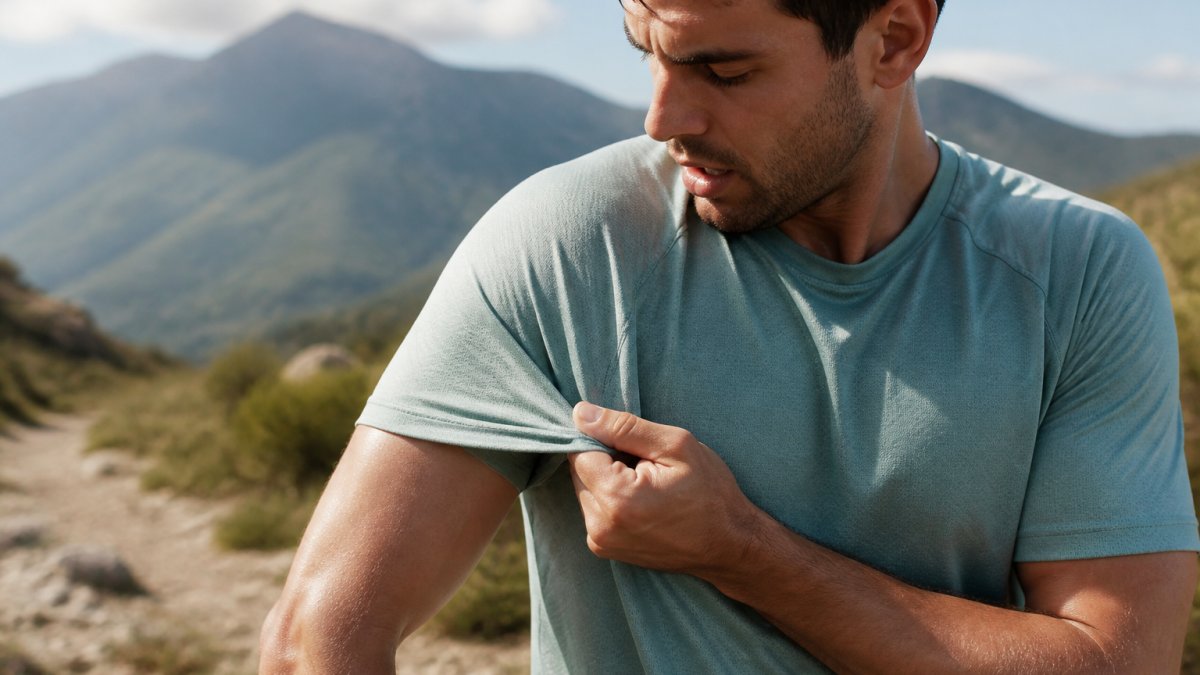
Merino's reputation for fragility is partly deserved and partly avoidable, and the difference usually comes down to where the fabric rubs and how you treat it. Fine fibers are more prone to abrasion than synthetics, so holes tend to appear at predictable high-wear points: under pack straps, at the underarms, along the waistband where a hip belt rides, and at the cuffs.
Where merino actually fails. A common pattern is a small hole at the shoulder where a pack strap sits, or a thin spot at the underarm after a season of heavy use. These are abrasion failures, not fiber failures, the fabric wore through from friction, not from washing. Hikers who carry a loaded pack on rough trails will see this sooner than day hikers with a light load.
Repair is realistic, and worth learning. Small holes and thin spots can be darned with a basic needle-and-thread repair, and a patch of matching merino or a synthetic blend can extend a garment by a season or more. Many outdoor retailers and gear shops offer repair services, and some brands sell repair kits. The practical rule: repair early, while the hole is small. A dime-sized hole darns cleanly; a palm-sized worn patch usually does not.
Realistic lifespan. A well-cared-for merino base layer typically lasts several seasons of regular hiking. A hard-used one worn under a loaded pack on abrasive trails may show meaningful wear within a season or two. Socks are the exception, they take the most abrasion of any merino item and typically wear out fastest, which is why many hikers treat merino socks as a consumable and buy them in multiples.
Cost per wear is the honest metric. Merino costs more upfront than a comparable synthetic. The question is not sticker price but cost per wear. A layer you wear dozens of times a year across hiking, travel, and everyday use spreads its cost far thinner than a cheap shirt you replace every season.
How to extend lifespan. Rotate between two base layers so each gets rest and a wash cycle between wears. Wash less often, merino's odor resistance means you can wear it multiple times. Avoid washing with zippers, Velcro, or hooks that snag fibers. And store it folded rather than hung, since hanging can stretch a damp or heavy knit.
How to Wash Merino Wool Activewear So It Lasts
The short answer: cold water, gentle cycle, and air dry. Get those three right and you avoid most of the damage that shortens a merino garment's life.
Here's how to wash merino wool activewear without wrecking it:
- Turn it inside out to reduce surface abrasion in the drum.
- Use cold water on a gentle or wool cycle.
- Choose a mild detergent and skip fabric softener, which coats the fibers.
- Skip the dryer. Lay flat or hang to air dry, away from direct heat.
- Wash less often. Merino's odor resistance means you can wear it multiple times between washes.
For multi-day trips, a quick hand wash in cold water and an overnight air dry keeps a base layer fresh without a laundry machine. Wool socks and boxer briefs follow the same rules.
Conclusion: Is Merino Wool Activewear Worth It for Hiking?
For hikers who deal with sweat, changing weather, and multi-day wear, merino wool activewear earns its place. It costs more upfront and needs more careful care, but it delivers odor control, warmth when wet, and temperature regulation that cotton and most synthetics can't match.
At Tremendous World, we build premium athletic lifestyle apparel for people who move between city streets and mountain trails. Our gear is designed to keep up with an active lifestyle, with versatile pieces that work as well on a trail as they do around town. If you want layers that handle both, explore the collection and find your fit.
Frequently Asked Questions
Is merino wool worth it for hiking?
Merino wool activewear is worth it for hikers who prioritize odor resistance, temperature regulation, and comfort across changing conditions. It resists odors during multi-day wear, stays warm when damp, and breathes well during exertion. The trade-off is cost and durability. Merino costs more upfront and can develop holes faster than synthetics under heavy abrasion. If you hike regularly and value fewer washes and all-day comfort, the cost per wear often justifies the investment.
Does merino wool keep you warm when wet?
Merino wool retains insulation even when damp, unlike cotton which loses warmth and clings cold to the skin. The fibers trap air in their crimped structure, so moisture does not completely displace the insulating pockets. This matters on hikes where you sweat during climbs and cool down on descents or at camp. A wet merino base layer keeps you warmer than a wet synthetic or cotton layer, though it is not a substitute for a waterproof shell in heavy rain.
Is merino wool good for hot-weather hiking?
Merino wool works well in heat because it wicks moisture and regulates body temperature. The fibers move sweat away from your skin, where it evaporates and cools you. Lighter fabric weights, around 150 to 180 gsm, suit hot-weather hiking best. Merino also resists odor, so you can wear it multiple days without washing. It dries slower than thin synthetics, so for extremely humid or wet conditions, a merino-synthetic blend can offer faster drying with the odor and comfort benefits of wool.
How do you wash merino wool activewear?
Wash merino wool activewear in cold water on a gentle cycle or by hand, using a wool-safe detergent without bleach or fabric softener. Turn garments inside out and place them in a mesh laundry bag to reduce abrasion. Skip the dryer; lay flat to dry away from direct heat or sunlight. Wash less often than you would synthetics, since merino resists odor and frequent washing speeds up wear. Follow the care label for specific temperature and detergent guidance.
The trail doesn't care whether your gear can keep up, but your comfort does. Tremendous World makes premium athletic lifestyle apparel built for the active and the ambitious, with versatile designs that transition from mountain trails to city streets. Shop now and find pieces made to move with your life, wherever it takes you.