 ultimate-guide
How to Dress for Mountain and City: A 2026 Guide
Table of Contents
- Why Mountain and City Dressing Is a Layering Game
- How to Layer Clothes for Travel Between Altitudes
- The Best Versatile Clothes for Travel: Footwear and Bottoms
- Building a Capsule Wardrobe for Mountain and City Trips
- Dressing for the 'Mountain Chic' Aesthetic
- What to Ignore: Common Bad Advice for Mixed-Climate Packing
- Conclusion: Your Mountain-to-City Uniform
- Frequently Asked Questions
Last Updated: September 7, 2026
The classic travel dilemma is packing for two distinct worlds: summit trails that demand technical gear and city streets that reward clean, tailored style. Most guides tell you to pack two separate wardrobes, which means overpacking. The smarter answer to how to dress for mountain and city is a single, strategic layering system where every piece earns its place in both environments.
The core principle is simple: you dress for mountain conditions first, then adapt for the city by adjusting layers and swapping footwear.
Why Mountain and City Dressing Is a Layering Game
The reason layering dominates this conversation is temperature regulation. Mountain altitudes bring cooler air, wind, and sudden weather shifts, while city valleys trap heat and create warmer microclimates. A single heavy coat cannot handle both, but a system of three thin, coordinated layers can.
Layering is wearing multiple light garments you can add or remove as conditions change. It is the most effective strategy for managing body heat across variable climates because it gives you control. The goal is versatility, not bulk.
Most travelers fail here by packing for the forecast, not the transition.
How to Layer Clothes for Travel Between Altitudes
Building your layering system for mixed terrain requires three coordinated components: a moisture-wicking base layer, an insulating mid-layer, and a windproof outer shell. Each serves a distinct job, and together they provide climate control from trail to town.
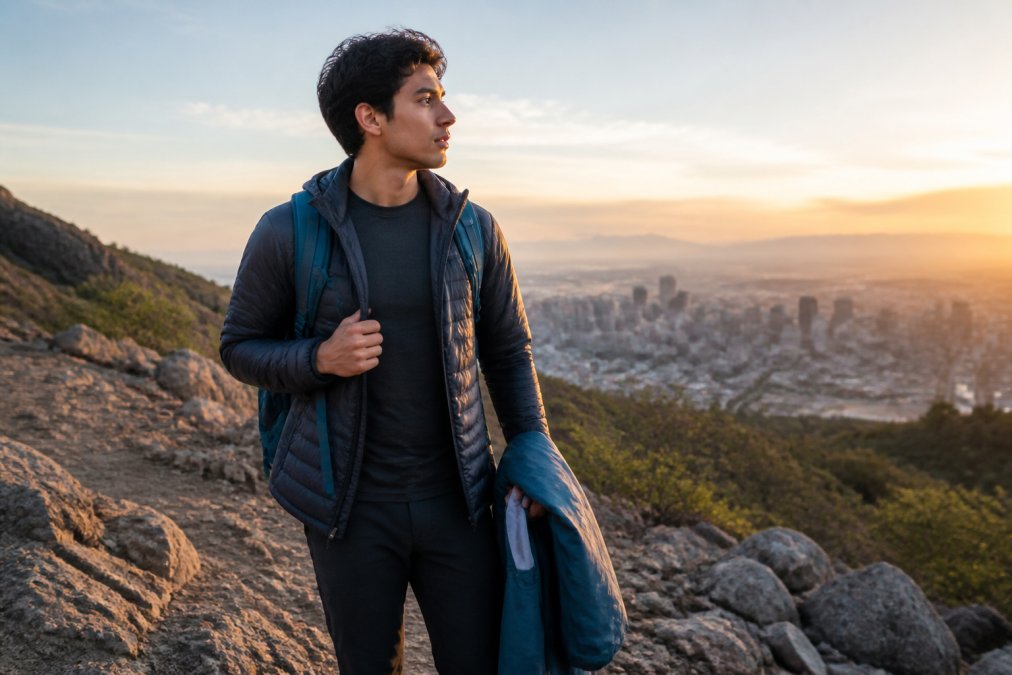
Base Layers: Moisture-Wicking Starts Everything
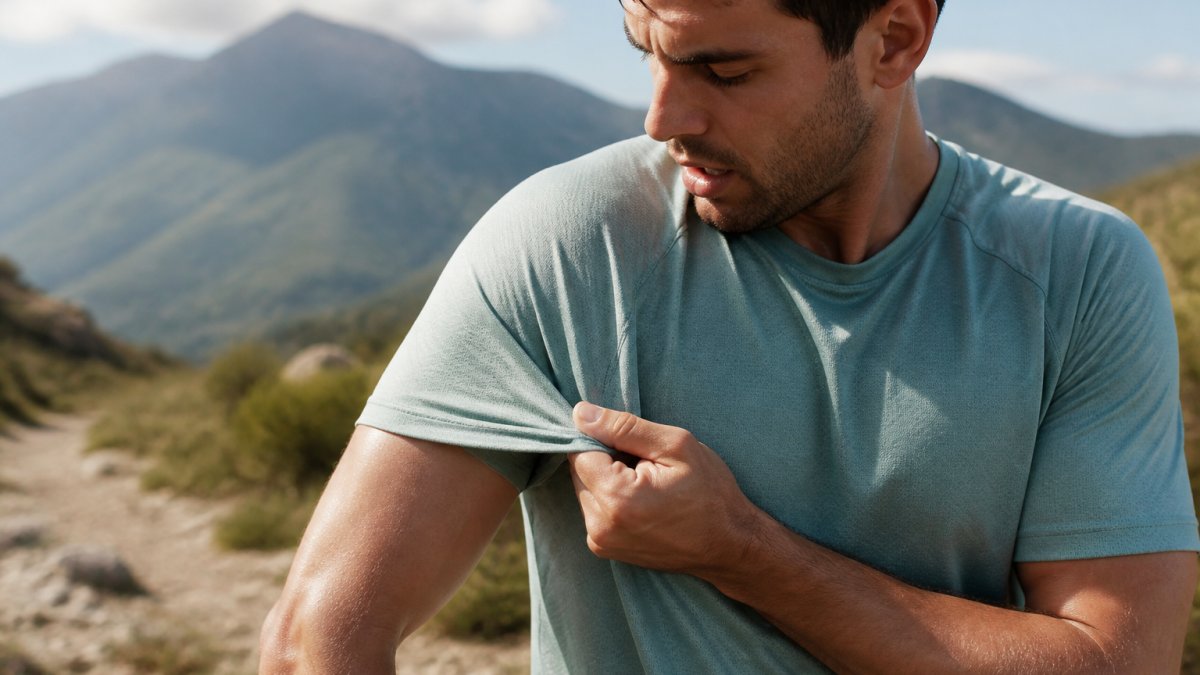
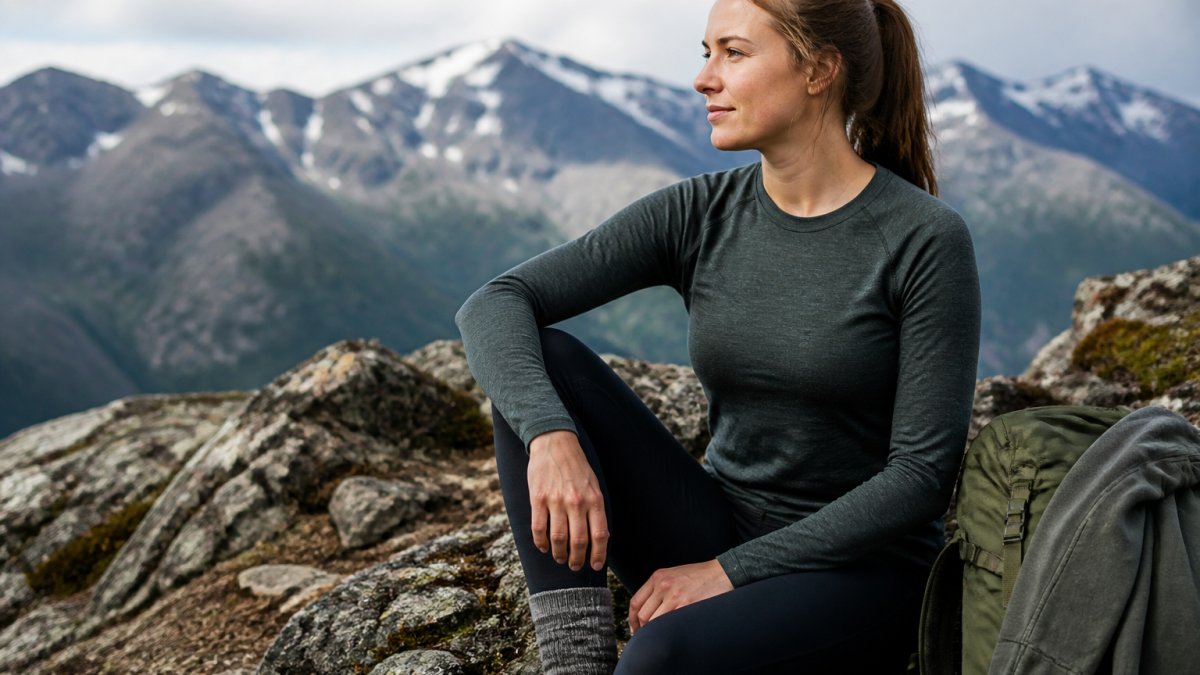
The base layer sits against your skin, and its only job is managing sweat. Moisture-wicking fabrics pull perspiration away from your body so you stay dry when you're active and warm when you stop. Merino wool is the gold standard here because it regulates temperature naturally and resists odor across multiple wears.
Avoid cotton as a base layer; it absorbs sweat and leaves you chilled the moment you stop moving. For a mountain-to-city day, choose a lightweight, breathable long-sleeve top you can wear alone in town or under layers on the trail.
Mid-Layers: Insulation You Can Shed
The mid-layer traps warmth and should be the easiest piece to remove. A lightweight insulated jacket or fleece works well. When hiking uphill, your body generates heat, so this layer comes off and goes into your pack; at dusk in the city, it goes back on over your base layer.
Look for pieces that compress small and weigh little, thermal efficiency matters more than bulk. A puffy jacket that stuffs into its own pocket transitions seamlessly between environments.
Outer Shell: Windproof and Weather-Resistant Protection
The outer shell is your defense against the elements. It should be windproof and weather-resistant, protecting you from mountain gusts and unexpected city showers. A waterproof shell with taped seams is ideal for serious trail weather, while a lighter softshell suits milder conditions.
This layer is the most likely to stay on in the city, so choose a cut and color that reads as intentional streetwear. A matte finish and clean silhouette help it blend into urban settings without sacrificing trail performance.
| Layer | Primary Job | Best Material | City Role |
|---|---|---|---|
| Base | Moisture management | Merino wool, synthetics | Standalone top |
| Mid | Heat retention | Fleece, lightweight down | Casual outer layer |
| Shell | Wind and rain defense | Waterproof membrane | Weatherproof jacket |
The Best Versatile Clothes for Travel: Footwear and Bottoms
Footwear is the hardest part of the mountain-and-city equation because no single shoe excels at both technical trails and polished urban looks. The practical answer is to carry two pairs: one performance pair for hiking and one versatile pair for evenings out.
Footwear: The Two-Pair System
For the trail: Choose a lightweight trail runner or approach shoe rather than a bulky hiking boot. Look for a sticky rubber outsole (like Vibram Megagrip), a rock plate for sharp terrain, and a breathable mesh upper that dries quickly. A 10-12 ounce shoe is ideal for all-day comfort (PubMed). Avoid waterproof boots for summer trips; they trap heat and dry slowly. For winter or wet conditions, a mid-height waterproof boot with a gusseted tongue is better.
For the city: Pack clean, minimalist leather sneakers or casual low-tops in a neutral color like black, tan, or gray. Key specs are a cushioned insole for pavement walking and a non-marking outsole. Avoid bright athletic sneakers with aggressive branding. Your city shoes must handle 5-8 miles of walking, so prioritize comfort (the CDC). A leather upper molds to your foot and looks better with age; a knit or canvas upper is lighter and more packable. For a dressier dinner, dark, unlined leather loafers can double as your city and evening shoe.
Bottoms: The Transition Pant
The biggest mistake is packing jeans as your only city bottom. Denim is heavy, absorbs moisture, dries slowly, and offers zero stretch for hiking. Build your bottom rotation around technical fabrics that mimic tailored trousers.
The workhorse: technical chinos or travel pants. Look for a nylon-spandex blend (often called "stretch twill" or "travel fabric") with a DWR finish. These shed light rain, resist wrinkles, dry in hours, and stretch for scrambling. A tapered fit with a gusseted crotch gives full range of motion on the trail while reading as clean city wear. Choose charcoal or navy; it hides trail dust and transitions to dinner.
The second pair: a stretchy, quick-dry jogger or hybrid pant. For warmer months or casual itineraries, pack joggers in a technical knit or fleece-backed fabric. They work for a morning hike, a long travel day, and a casual city dinner, packing down to almost nothing. Avoid cotton fleece; it absorbs sweat and dries too slowly.
The wildcard: merino or synthetic-blend shorts. For summer, 5-7 inch inseam shorts in a quick-dry fabric serve double duty for hiking and city sightseeing. Pair with a merino tee and clean sneakers for a polished look. For women, a high-waisted stretchy short or technical skort offers the same versatility.
The Packing Formula
For a 5-7 day trip, the optimal bottom rotation is:
- 1 pair of technical chinos or travel pants (worn on travel days)
- 1 pair of quick-dry joggers or hybrid pants
- 1 pair of shorts (summer) or a second pair of technical pants (winter)
- 1 pair of trail runners (worn on the plane for weight savings)
- 1 pair of city sneakers or loafers
This system covers summit hikes, long city walks, casual dinners, and unexpected rain. Every piece dries fast, resists wrinkles, and coordinates with the same tops, a bottom half that works as hard as your top half, without the bulk of two wardrobes.
Building a Capsule Wardrobe for Mountain and City Trips
A capsule wardrobe is a small collection of interchangeable pieces that mix and match to create many outfits. For a mixed-terrain trip, this maximizes packing efficiency while minimizing luggage. Every item should work in at least two settings, and colors should coordinate.
The 3-3-3 Packing Rule Applied to Mixed Terrain
The 3-3-3 rule is a simple framework: three tops, three bottoms, and three pairs of shoes. For a mountain-and-city trip, adjust the ratios. A balanced version includes three tops, three bottoms, and two pairs of shoes plus your hiking boots.
This system forces transition pieces that work in both worlds. A dark technical pant reads as outdoor gear on the trail and casual city wear in town.
The One-Bag Strategy: A Complete 7-Day Packing List
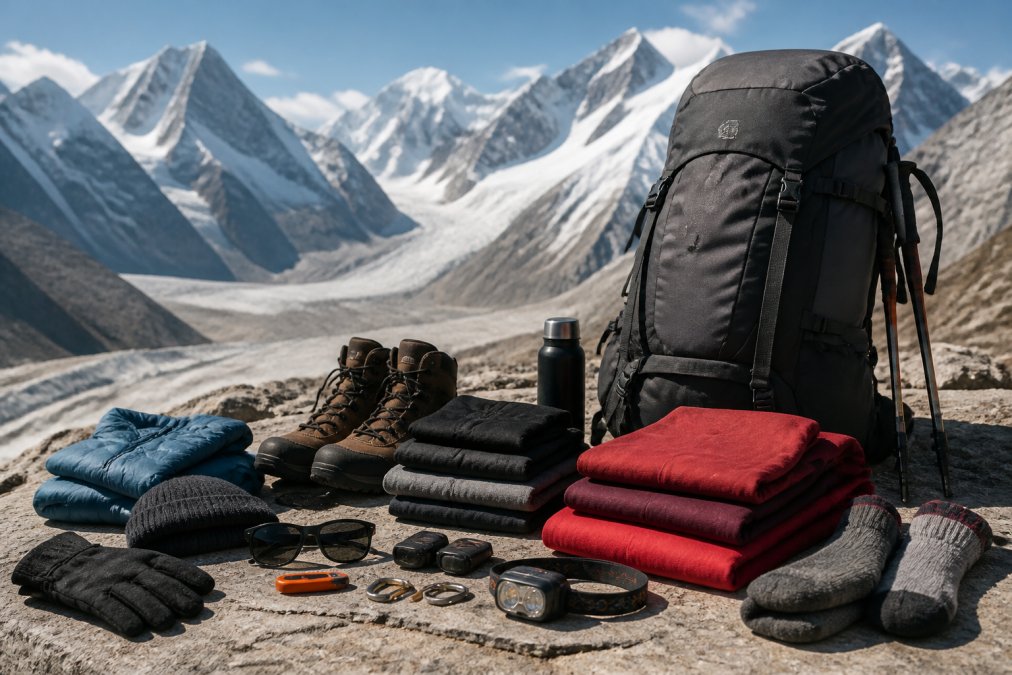
This is the capsule system that works for a 7-day trip with 3 days on the trail and 4 days in the city. It fits in a 35-40 liter carry-on backpack and weighs under 15 pounds total.
Tops (4 items):
- 1 merino wool t-shirt (150-190 gsm weight), wear on travel days and for city exploring
- 1 merino wool long-sleeve crew, base layer for hiking, standalone top for cool city evenings
- 1 lightweight flannel or oxford shirt, layers over a tee for a polished city look, or over a base layer for trail warmth
- 1 packable insulated jacket (synthetic or down, 800-fill for compressibility), the primary mid-layer for both environments
Bottoms (3 items):
- 1 pair of technical chinos or travel pants (nylon-spandex blend)
- 1 pair of quick-dry joggers or hybrid pants
- 1 pair of merino or synthetic-blend shorts (summer) OR a second pair of technical pants (winter)
Outerwear (1 item):
- 1 waterproof/windproof shell with pit zips, the critical weather defense for both mountain storms and city downpours
Footwear (2 pairs):
- 1 pair of trail runners (worn on travel days)
- 1 pair of minimalist leather sneakers or loafers (packed)
Accessories (5 items):
- 1 merino beanie or cap
- 1 pair of lightweight gloves (winter) or a buff/neck gaiter (all seasons)
- 1 pair of merino socks (2 pairs total for the trip, wash one, wear one)
- 1 belt (leather for city, webbing for trail)
- 1 packable daypack (15-20 liters) for summit hikes and city day trips
The Cost-Per-Wear Principle
A capsule wardrobe only works if you invest in quality. The cost-per-wear metric is the clearest way to evaluate a purchase: divide the price by the number of times you will wear it. A $150 merino shirt worn 50 times a year for 3 years costs $1 per wear; a $30 cotton shirt worn 10 times costs $3 per wear (extension.iastate.edu).
Where to invest (high cost-per-wear value):
- Merino wool base layers and socks, they resist odor, regulate temperature, and last for years with proper care
- A quality waterproof shell, this is your primary weather defense and should last 5+ years
- Technical travel pants, the fabric and construction justify the price for frequent travelers
Where to save (low cost-per-wear value):
- Flannel or oxford shirts, a mid-priced option works fine; you are not relying on technical performance
- City sneakers, a clean, mid-range pair (not designer) performs the same function
- Shorts and casual joggers, basic quick-dry fabrics are sufficient
The Color Palette Rule
To maximize outfit combinations, limit your capsule to a neutral color palette: charcoal, navy, olive, black, and one accent color (like rust or forest green). Every top should pair with every bottom, eliminating the "I have nothing to wear" problem. A simple formula: 70% neutrals, 20% earth tones, 10% accent color.
Dressing for the 'Mountain Chic' Aesthetic
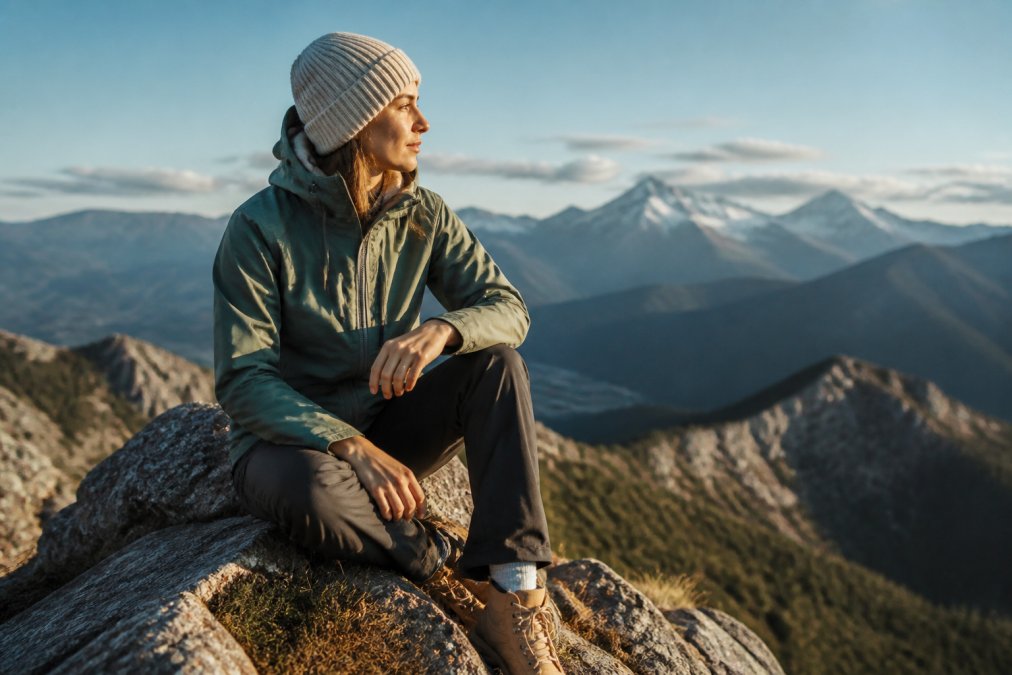
Mountain chic merges outdoor functionality with casual elegance, the aesthetic of a ski-town apres scene: technical fabrics in refined cuts, earthy tones, and clean silhouettes.
To achieve this look, focus on fabric quality and fit. Choose breathable fabrics in neutral colors that layer well. A merino sweater over a collared shirt with dark denim and clean sneakers captures the aesthetic without sacrificing comfort.
What to Ignore: Common Bad Advice for Mixed-Climate Packing
Much advice about mixed-climate travel is outdated or overly rigid. The most common error is the "one heavy coat" approach, leaving you sweating on the trail or shivering in town.
Ignore advice to buy destination-specific outfits. Instead, focus on technical fabric care and maintenance so your pieces last. Wash merino wool on a gentle cycle and air-dry it; reapply durable water repellent to your shell after several washes. These habits keep a budget-friendly investment performing like a premium one.
Skip gendered marketing that suggests separate "his" and "hers" packing lists. The layering system works identically for everyone, and gender-neutral styling advice simplifies the process: fit and function come first, labels second.
Conclusion: Your Mountain-to-City Uniform
Mastering how to dress for mountain and city comes down to rejecting the idea that you need two wardrobes. A single layering system built on moisture-wicking base layers, packable insulation, and a weather-resistant shell handles both worlds.
The challenge is finding pieces that genuinely perform on the trail and look intentional in the city. Tremendous World designs premium athletic lifestyle apparel and streetwear for exactly this dual life, with versatile, durable gear built to keep up with your active schedule. Explore the collection and build a uniform that moves as fast as you do.
Frequently Asked Questions
What is the 3-3-3 rule for packing a versatile wardrobe?
The 3-3-3 rule means packing 3 tops, 3 bottoms, and 3 pairs of shoes for a trip. For mountain and city travel, choose pieces that cross over: merino wool tees for trails and dinner, dark denim or travel pants that work for hiking and bars, and one pair of trail sneakers plus one pair of stylish booties. This forces you to prioritize versatile clothes for travel over single-use items.
How do you layer clothing for changing mountain and city climates?
Start with a moisture-wicking base layer in merino wool or synthetic fibers to manage sweat. Add an insulating mid-layer like a fleece or lightweight puffer for warmth you can remove. Finish with a waterproof or windproof shell that blocks rain and gusts at altitude. In the city, shed the mid-layer and shell as temperatures rise. This system handles temperature swings of 20 degrees or more.
What defines 'mountain chic' style for women?
Mountain chic blends technical outdoor gear with casual elegance. Think tailored flannel shirts, dark denim or ponte leggings, a quality down vest, and leather booties instead of bulky hiking boots. The key is choosing pieces with clean lines and muted colors that look intentional in a city restaurant but still perform on a morning trail. Cashmere or merino accessories add polish without sacrificing function.
Can I dress for mountain and city without buying expensive gear?
Yes. Focus your budget on two items: a quality waterproof shell and proper footwear. Everything else can be budget-friendly. Look for synthetic base layers at lower price points, mid-weight fleeces from any activewear brand, and denim you already own. The trick is fit and fabric. Avoid cotton for base layers, and choose dark, durable materials that hide trail dust and city grime.