 how-to
Durable Hiking Gear for City Commuters: 2026 Guide
Table of Contents
- What Makes Gear Durable Enough for Both Trail and Commute?
- The Best Durable Hiking Clothes for Men 2026
- Step 1: Choose Weather-Resistant Outer Layers That Look Sharp
- Step 2: How to Layer Clothes for Changing Weather
- Step 3: Pick a Commuter Backpack with Load-Bearing Comfort
- Step 4: Maintenance Tips for Technical Outdoor Fabrics
- Common Mistakes to Avoid When Mixing Trail and Office Gear
- Final Fit Check: Does This Durable Hiking Gear Work for You?
- Frequently Asked Questions
What Makes Gear Durable Enough for Both Trail and Commute?
The market for durable hiking gear has split in two: trail-first brands that ignore client lunches, and commuter brands with fabrics that shred on granite. Gear that bridges both worlds must survive abrasion, weather, and heavy loads while passing as professional clothing.
This guide from Tremendous World breaks down the exact specifications, fabrics, and construction details that separate genuine dual-purpose gear from marketing hype. We focus on the intersection of rugged durability and urban professional functionality.
Three non-negotiables define dual-use gear. First, fabric weight matters more than brand: look for ripstop nylon or polyester blends with a denier suited to your commute. Second, the garment must handle the "sweat factor" of walking further and carrying more than a recreational hiker. Third, every piece needs a clear maintenance path, since technical fabrics fail faster when washed wrong.
Durable hiking gear is the category that solves this. It refers to clothing and packs engineered for trail conditions that also meet the visual and functional demands of daily urban life.
The Best Durable Hiking Clothes for Men 2026
The best durable hiking clothes for men 2026 share one trait: they prioritize fabric technology over fashion trends. When you are selecting pieces, the hierarchy is simple: material performance, then cut, then color.
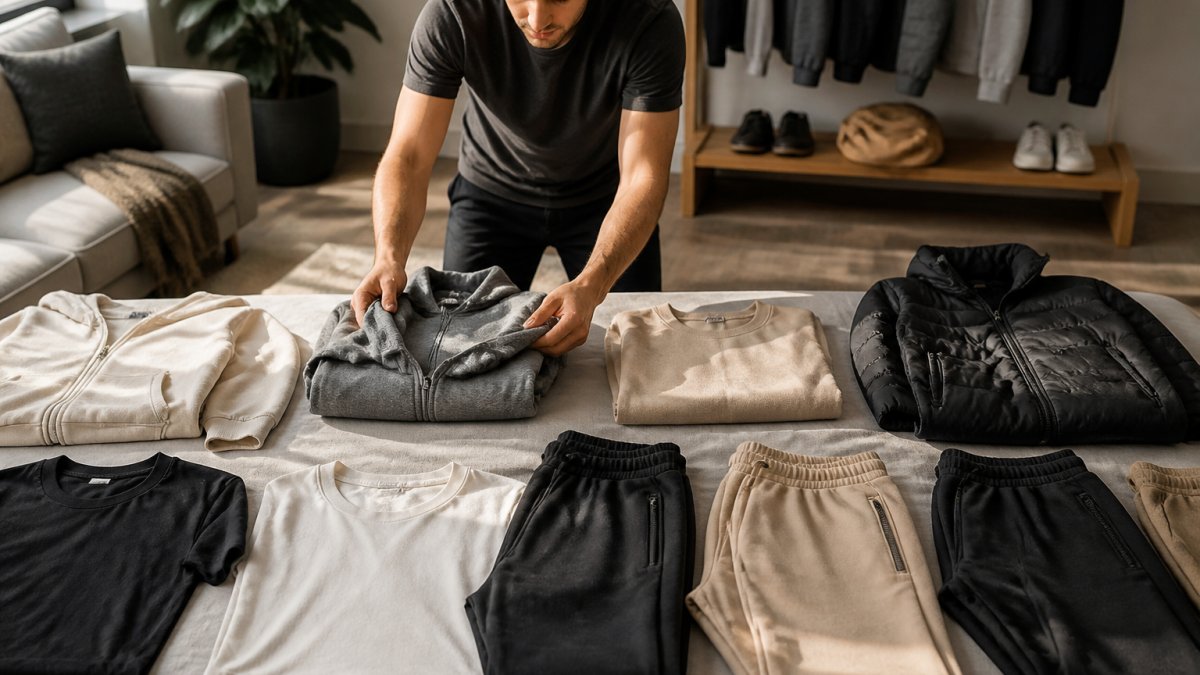
For the commuter who hits trails on weekends, the most versatile system is a merino wool or high-quality synthetic base layer, a mid-layer fleece or insulated jacket, and a weather-resistant shell. Merino wool earns its reputation through natural odor resistance and temperature regulation, while modern polyester blends offer faster drying times at a lower price point. Both outperform cotton in every metric that matters for active use.
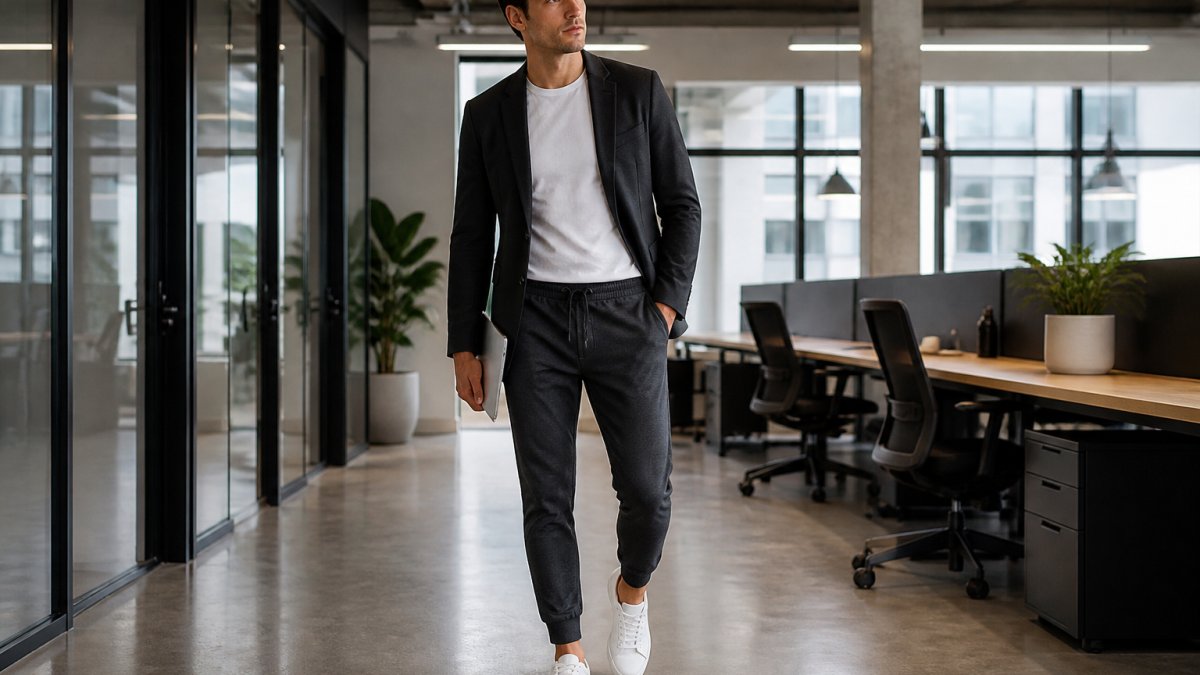
Tremendous World builds its collection around this exact philosophy. Our premium athletic lifestyle apparel uses technical fabrics cut with streetwear aesthetics, so the same piece that handles a ridgeline traverse looks sharp at an evening meeting. The construction focuses on reinforced seams and abrasion-resistant panels where gear typically fails first, not just in the visible areas.
Step 1: Choose Weather-Resistant Outer Layers That Look Sharp
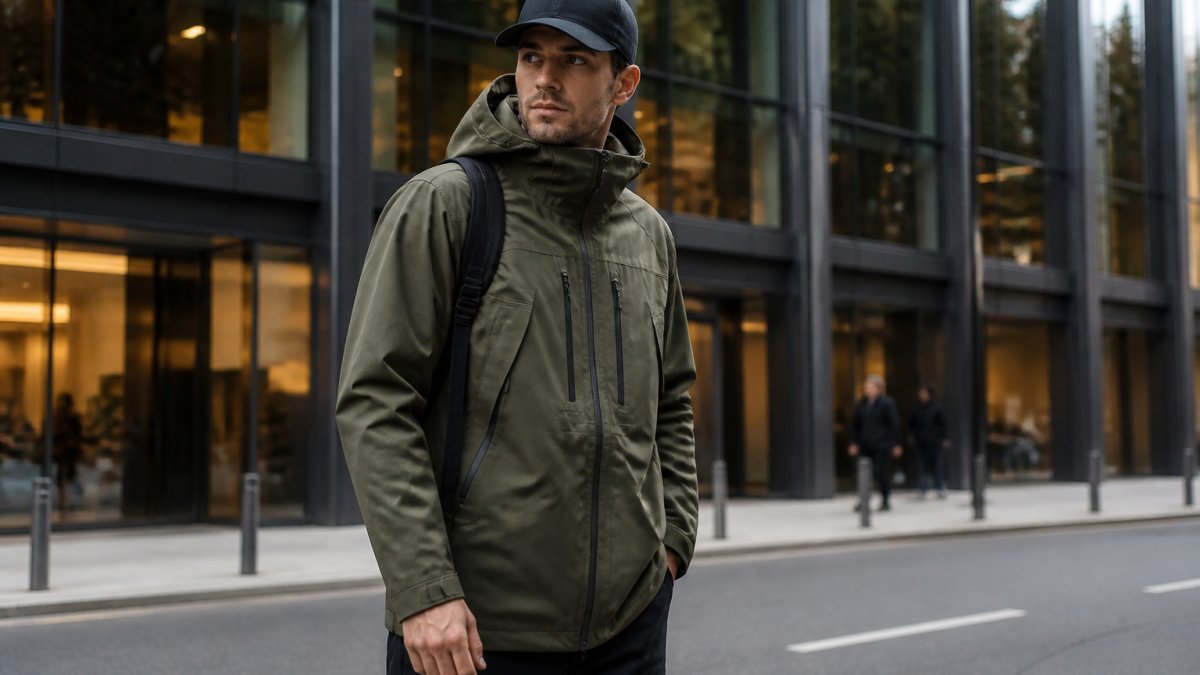
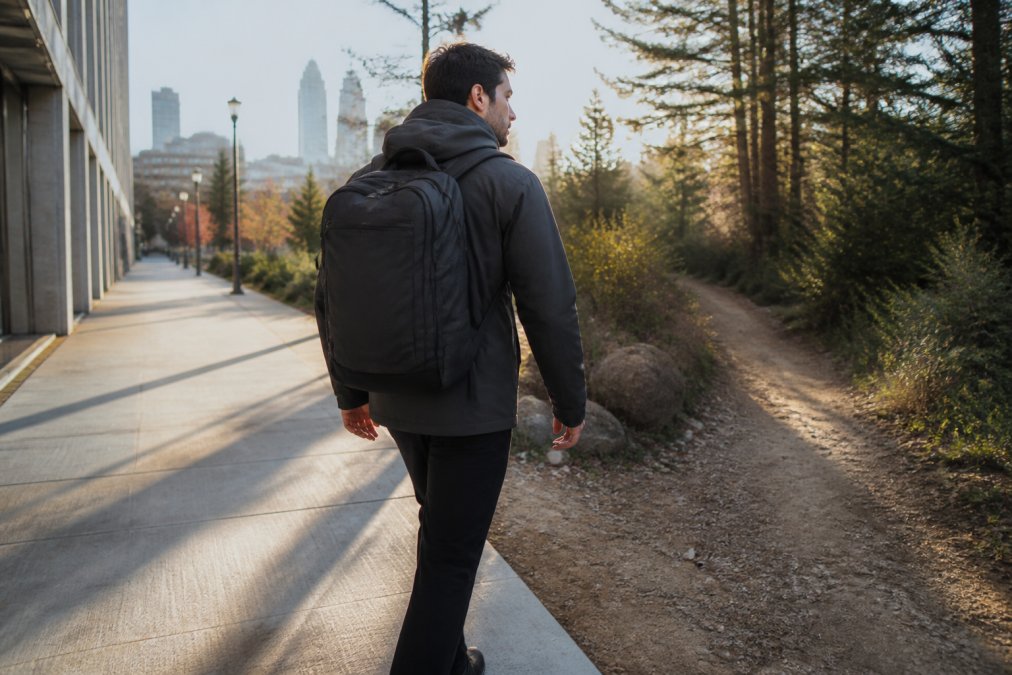
Your outer layer carries the most visual weight, so it must nail both the technical and aesthetic requirements. A weather-resistant shell with a matte, non-technical finish reads as a stylish jacket in the city while still shedding rain on the trail.
Look for three specific features. A durable water repellent (DWR) coating that you can reapply, since factory treatments wear off within months of regular use (rei.com). Taped or sealed seams at the shoulders and hood, where water penetrates first. And a cut that accommodates a mid-layer without billowing like a sail when worn over just a t-shirt.
The color palette matters more than most guides admit. Trail-bright colors like safety orange or electric blue scream "weekend hiker" in an office context. Instead, choose muted earth tones, charcoal, or olive. These colors hide trail dust, pair with professional attire, and photograph well in both settings.
Step 2: How to Layer Clothes for Changing Weather
Learning how to layer clothes for changing weather is the single highest-use skill for commuters who move between climate-controlled offices and exposed trailheads. The three-layer system is the industry standard because it works: a base layer for moisture management, an insulating mid-layer for warmth, and a shell for wind and water protection. But for the city commuter, the system has a fourth, unspoken layer: the logistics of managing sweat and dampness before you sit down at a desk.
Your base layer is the piece most commuters get wrong. Cotton absorbs sweat and chills you the moment you stop moving. A moisture-wicking synthetic or merino base layer moves perspiration away and dries quickly indoors. The key difference is the amount of sweat: a 5-mile brisk walk with a loaded pack generates far more perspiration than a casual stroll, the 'Sweat Factor' most outdoor guides ignore.
Consider a two-shirt system: wear a lightweight, quick-drying synthetic for the walk, and pack a clean merino or cotton-blend shirt for the office. Merino is odor-resistant but not immune to heavy sweat; a 2019 Textile Research Journal study found it still retains moisture after exercise (peer-reviewed research). The fix is a change of clothes, not a miracle fabric.
Match mid-layer insulation to your climate. A lightweight fleece works for most shoulder seasons; add a packable down or synthetic jacket below freezing. The critical commuter consideration is how the layer performs when not moving, a heavy fleece feels like a sauna on a crowded train. Choose a full front zipper so you can vent heat without removing your shell.
Your shell should pack into its own pocket, transforming a bulky jacket into a 300-gram emergency layer. Look for pit zips, underarm vents, the most effective feature for dumping heat during a high-exertion urban walk without stopping to remove layers.
Plan your layering around your commute's 'transition points.' If you walk 20 minutes to a train, ride 30, then walk 10 to the office, adjust layers for each segment: unzip your shell and mid-layer before boarding, and remove your base layer if seated. Arrive with your core temperature regulated, not as a walking sauna.
Step 3: Pick a Commuter Backpack with Load-Bearing Comfort
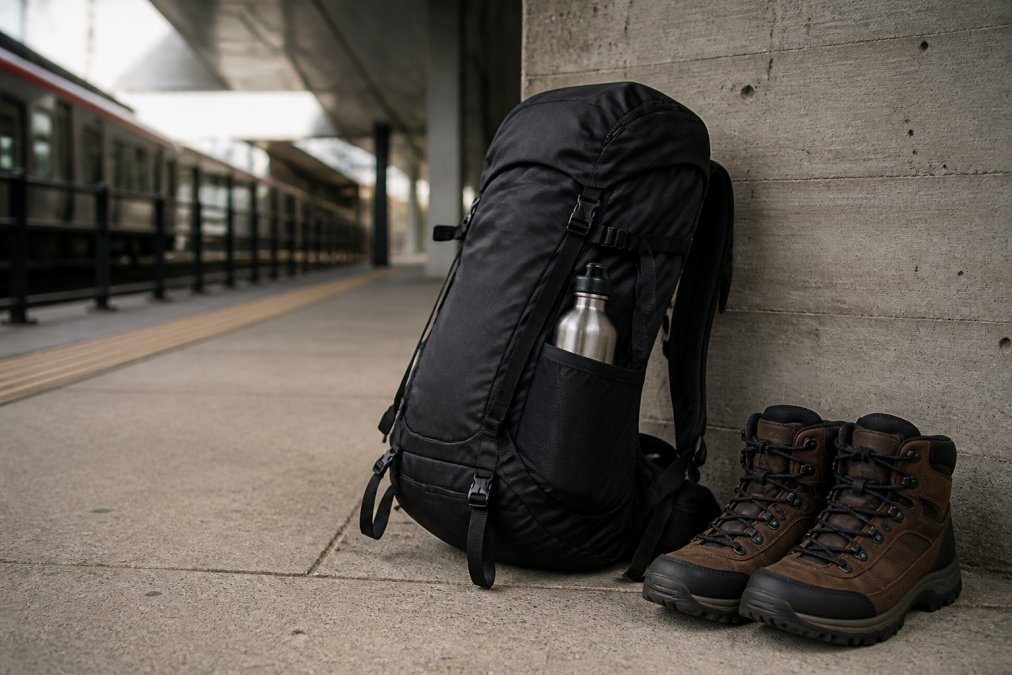
A commuter backpack must handle two payloads: the daily laptop-and-lunch load and the weekend gear haul. The solution is an adjustable suspension system that transfers weight from shoulders to hips. But in a city, your pack is also a target, so the best hybrid must excel at both load distribution and theft prevention, a requirement with no wilderness equivalent.
The critical spec is the frame and hip belt. A load-bearing hip belt distributes weight to your pelvis, far stronger than your shoulders, so a 10-kilogram load won't fatigue you within an hour. Look for a contoured, padded wing that wraps your iliac crest, not a thin strap. The frame should be a lightweight peripheral hoop or aluminum stays that keep load off your spine.
Size the pack between 20 and 30 liters for daily commuter use. This range fits a 15-inch laptop in a dedicated sleeve, a change of clothes, lunch, and a light jacket. For weekend trips, you can compress gear with packing cubes or add external attachment points. The pack's fabric should be a minimum of 420-denier nylon for the main body, with a 1000-denier Cordura base panel that resists abrasion from curbs, train floors, and granite.
Now, the urban security layer. On a trail you worry about bears; in a city, pickpockets. A dual-purpose pack must deter opportunistic theft without compromising trail access. Prioritize these features in order:
- Back-access main compartment: A zipper that runs along the panel that touches your back is the single best anti-theft feature. It is physically impossible for someone to open it without you feeling the motion. This design also keeps the main opening protected from rain when you set the pack down.
- Lockable zipper pulls: Look for zippers with small holes in the pulls that can accept a small luggage lock. This is a visual deterrent that stops casual theft. On the trail, you can leave them unlocked for quick access.
- Hidden valuables pocket: A flat, zippered pocket that sits against your lower back, inside the hip belt area, is ideal for a phone, passport, or wallet. It is inaccessible to anyone but you.
- Laptop sleeve placement: The laptop sleeve must be suspended at least 2-3 cm off the pack's base. A 'false bottom' that places the sleeve directly against the ground-facing panel transmits impact force directly to your computer on a hard set-down.
- RFID-blocking pocket: For commuters who carry contactless payment cards or a passport, a small RFID-blocking pocket is a low-cost addition that prevents digital skimming in crowded transit.
Repairability is a final consideration. A pack that cannot be repaired is disposable by design. Look for brands that sell replacement buckles, offer repair services, or use recyclable fabrics. A 30-liter pack with a replaceable hip belt can last a decade, a financial and environmental win over buying new every two years.
Step 4: Maintenance Tips for Technical Outdoor Fabrics
Technical fabrics fail faster from improper washing than from trail use. The maintenance tips for technical outdoor fabrics below will extend the life of your gear significantly.
Wash technical outerwear and base layers with a specialized technical detergent, not standard laundry soap. Standard detergents leave residue that clogs the pores of breathable membranes, destroying their moisture-wicking and waterproof properties. Wash on a gentle cycle in cold water, then hang dry. Heat from dryers degrades elastic fibers and can melt the DWR coating on shells (cleaninginstitute.org).
Reapply DWR coating seasonally. You can test your current coating by sprinkling water on the jacket. If it beads up and rolls off, the coating is functional. If it soaks in or wets out, apply a spray-on or wash-in DWR treatment.
For merino wool, wash less frequently. Wool is naturally antimicrobial and odor-resistant, so it needs fewer washes than synthetics. When you do wash it, use a wool-specific detergent and lay flat to dry to prevent stretching.
Common Mistakes to Avoid When Mixing Trail and Office Gear
The most common mistake is buying gear that excels in one environment while failing in the other. A heavy-duty mountaineering jacket with a helmet-compatible hood looks absurd in a boardroom. A fashion raincoat with unsealed seams leaves you soaked on a trail.
The second mistake is ignoring the security and theft prevention angle. City commutes expose your gear to pickpockets and snatch-and-grab scenarios. Choose packs with lockable zippers, and keep valuables in a compartment that sits against your back rather than an external pocket.
A third mistake is overlooking sustainability and repairability. Gear that cannot be repaired is disposable by design. Look for brands that sell replacement buckles, offer repair services, or use recyclable fabrics, an approach that saves money and reduces waste.
| Mistake | Why It Fails | The Fix |
|---|---|---|
| Fashion-first rain jacket | Unsealed seams leak on trail | Choose taped-seam technical shell |
| Oversized mountaineering pack | Bulky for daily train commute | Right-size to 20-30 liters |
| Standard detergent on technical fabrics | Clogs breathable membranes | Use technical detergent, hang dry |
| Ignoring zipper security | Theft risk in crowded transit | Select lockable, back-access pockets |
Final Fit Check: Does This Durable Hiking Gear Work for You?
The final test happens at home. Put on your complete system, base layer, mid-layer, shell, and load your pack to maximum weight. Walk briskly for 20 minutes, then sit still for 15 to simulate a commute.
You should feel warm but not sweaty during the walk, and not chilled during the sit. Raise your arms and bend forward; no fabric should bind or expose skin. Check that your pack's hip belt sits on your hip bones, not your waist, and that the sternum strap rests comfortably across your chest.
If any piece fails this test, it will fail you on the trail and in the office. The right durable hiking gear disappears from your awareness, letting you focus on the meeting, the trail, or the moment.
At Tremendous World, we design for this exact balance, bridging trail-tested durability and city-ready style so you do not choose between performance and presence. Pieces that pass the fit check are gear worth keeping for years.
Finding gear that performs in both environments takes effort, but the payoff is a simplified wardrobe that works as hard as you do. Tremendous World builds apparel for this dual life, with moisture-wicking fabrics, reinforced construction, and streetwear designs that transition from summit to sidewalk. Get started and build a kit that moves with you.
Frequently Asked Questions
What is the 3 layer rule for hiking?
The three-layer rule keeps you comfortable across changing conditions. A moisture-wicking base layer pulls sweat off your skin. A mid layer, like a fleece or insulated jacket, traps body heat. An outer shell blocks wind, rain, and snow while letting moisture escape. For city commuters, this system works well because you can remove layers when you step indoors or when the afternoon warms up. Choose pieces that pack small so you can stow them in your daypack without adding bulk.
How do I maintain the water-repellent finish on my outdoor gear?
Dirt and body oils break down durable water repellent (DWR) coatings over time. Wash technical outerwear sparingly with a specialized cleaner, not regular detergent. Rinse thoroughly and air dry. When water stops beading on the surface, reactivate the coating with a low-heat iron or dryer cycle, then apply a fresh DWR treatment. This keeps your gear weather-resistant for years and is one of the most important maintenance tips for technical outdoor fabrics.
Can hiking boots be worn comfortably for a city commute?
Yes, if you choose the right pair. Look for lightweight trail shoes or boots with a commuter-friendly design: responsive cushioning for pavement, a grippy outsole for wet sidewalks, and a style that does not scream trailhead. Many commuters prefer low-cut trail runners because they are lighter and easier to pack. If you need ankle support for weekend hikes, pick a boot with a flexible collar so it stays comfortable during long urban walks.
This article was written using GrandRanker
Frequently Asked Questions
Q: What is the 3 layer rule for hiking?
A: The three-layer rule keeps you comfortable across changing conditions. A moisture-wicking base layer pulls sweat off your skin. A mid layer, like a fleece or insulated jacket, traps body heat. An outer shell blocks wind, rain, and snow while letting moisture escape. For city commuters, this system works well because you can remove layers when you step indoors or when the afternoon warms up. Choose pieces that pack small so you can stow them in your daypack without adding bulk.
Q: How do I maintain the water-repellent finish on my outdoor gear?
A: Dirt and body oils break down durable water repellent (DWR) coatings over time. Wash technical outerwear sparingly with a specialized cleaner, not regular detergent. Rinse thoroughly and air dry. When water stops beading on the surface, reactivate the coating with a low-heat iron or dryer cycle, then apply a fresh DWR treatment. This keeps your gear weather-resistant for years and is one of the most important maintenance tips for technical outdoor fabrics.
Q: Can hiking boots be worn comfortably for a city commute?
A: Yes, if you choose the right pair. Look for lightweight trail shoes or boots with a commuter-friendly design: responsive cushioning for pavement, a grippy outsole for wet sidewalks, and a style that does not scream trailhead. Many commuters prefer low-cut trail runners because they are lighter and easier to pack. If you need ankle support for weekend hikes, pick a boot with a flexible collar so it stays comfortable during long urban walks.