 ultimate-guide
Versatile Clothes for Mountain and City: A 2026 Guide
Table of Contents
- Why Versatile Clothes for Mountain and City Matter
- Essential Fabrics and Technical Features
- Building a Capsule Wardrobe for Outdoor Travel
- Best Versatile Clothes for Travel: Top Pieces to Own
- Layering Techniques for Variable Climates
- How to Pack Light for Multi-Environment Trips
- Gender-Neutral Styling and Formal-to-Trail Transitions
- Conclusion
Last Updated: August 29, 2026
Why Versatile Clothes for Mountain and City Matter
Most people own separate wardrobes for hiking and city life, which means carrying more gear, spending more money, and constantly deciding what to pack. Versatile clothes for mountain and city eliminate that friction entirely.
At Tremendous World, we've built our entire collection around this exact tension: the need for gear that performs on technical terrain but doesn't look out of place at dinner. When your clothes can transition from a 6 AM summit push to a 7 PM urban dinner without a wardrobe change, you're not just saving space in your pack, you're gaining freedom in how you move through your day.
The real advantage comes down to three things: fabric technology that handles moisture and temperature swings, design that bridges performance and style, and durability that survives both granite and concrete. This guide breaks down exactly what to look for, how to build a functional wardrobe, and how to pack smart for trips that blur the line between trail and town.
Essential Fabrics and Technical Features
The foundation of any versatile wardrobe starts with fabric choice. Not all materials perform the same way across different environments.
Moisture-Wicking and Quick-Dry Technology
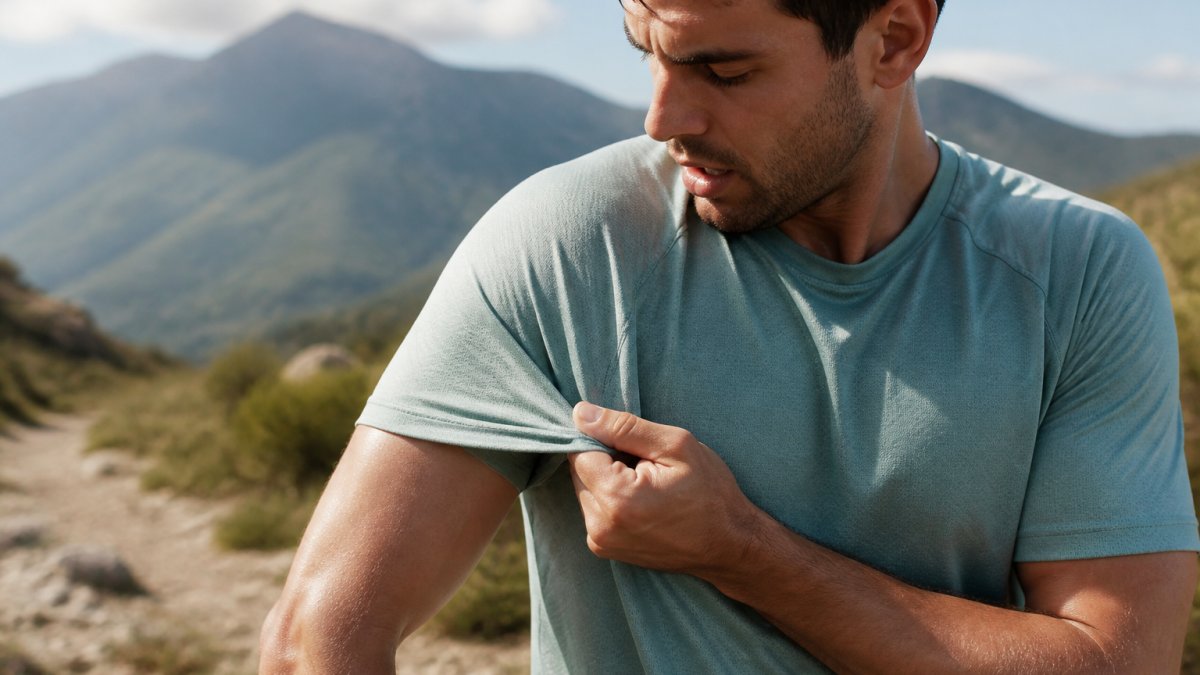
Moisture-wicking fabrics pull sweat away from your skin and move it to the outer surface where it can evaporate. Merino wool is the gold standard, it manages moisture without smelling, regulates temperature across a wide range, and maintains performance even when damp (peer-reviewed research). Synthetic blends with nylon and spandex offer four-way stretch that gives you mobility on technical terrain while maintaining a clean aesthetic in urban settings.
Cotton absorbs moisture and holds it, making it a poor choice for versatile clothes for mountain and city situations. Look for fabrics that dry within a few hours (astm.org). A merino wool base layer worn under a synthetic blend shirt gives you the moisture management of merino with the quick-dry properties of synthetic.
Wrinkle-Resistant and Durable Materials
Wrinkle resistance matters when you're packing light and moving between environments, your clothes need to look acceptable after being compressed in a backpack. Technical fabrics designed for outdoor use resist tearing, fading, and abrasion better than standard streetwear (astm.org). Look for reinforced seams, quality construction, and materials tested for both UV resistance and repeated washing.
Tremendous World pieces are constructed to handle both the physical demands of mountain use and the aesthetic standards of city environments. Reinforced stress points and tested fabric blends mean your investment lasts through seasons of use, not weeks.
Building a Capsule Wardrobe for Outdoor Travel
A capsule wardrobe strips away the noise and focuses on pieces that work together across multiple scenarios. For versatile clothes for mountain and city, this means selecting items that layer effectively, transition between environments, and don't require constant decision-making.
The Foundation Pieces
Start with base layers: a quality merino wool long-sleeve top, a lightweight synthetic short-sleeve option, and thermal leggings. Add a mid-layer insulator like a fleece or lightweight synthetic jacket that compresses small and adds significant functionality. Your outer layer is a technical jacket with water resistance and breathability that works on the trail and in the city. Complete the foundation with technical pants or shorts with four-way stretch and one quality pair of versatile footwear that handles both trail and street.
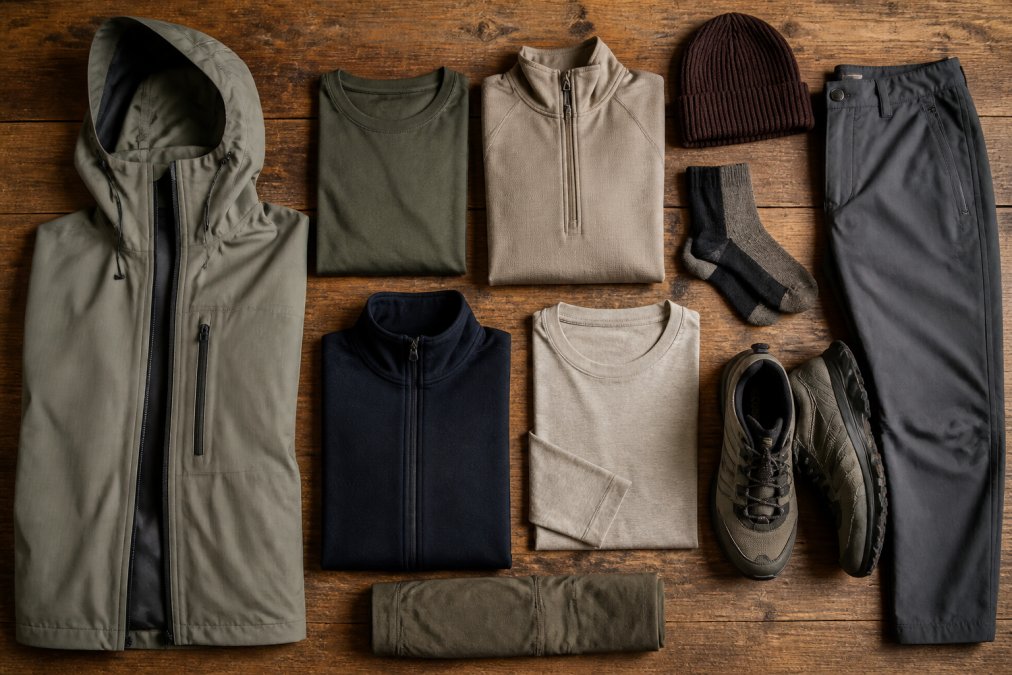
Neutral Palette and Earth Tones
Color coordination matters more when you're limiting your wardrobe. Earth tones, grays, blacks, olive, and tan create a cohesive palette where every piece works with every other piece. When your base layers, mid-layers, and outer layers exist in the same color family, you can mix and match endlessly. Neutral colors also perform better in both environments, they don't show dirt on the trail and pair with professional settings in the city.
Best Versatile Clothes for Travel: Top Pieces to Own
Every item in your versatile wardrobe should earn its place by serving multiple purposes and transitioning seamlessly between environments.
Base Layers and Thermal Regulation
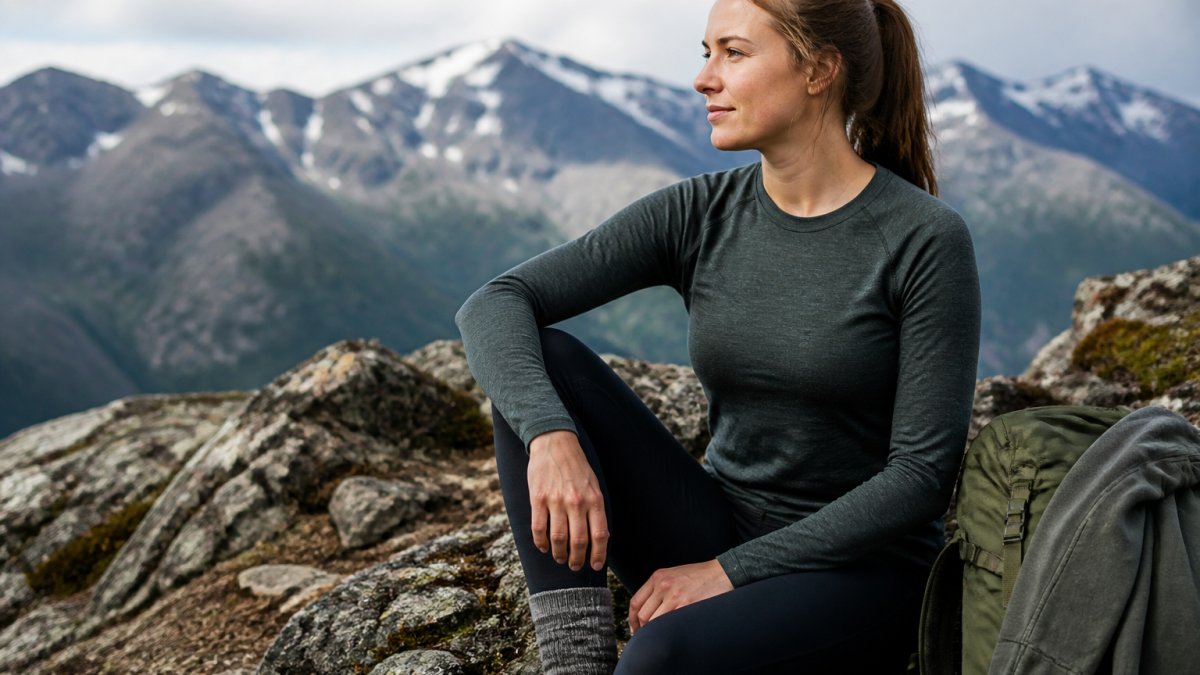
Base layers manage moisture while creating a buffer between your body and outer layers. Merino wool base layers work in both cold and warm conditions, insulating when cold and wicking moisture when warm. This thermal regulation property makes merino exceptional for versatile clothes for mountain and city use. Synthetic alternatives work well for high-intensity activities where maximum moisture wicking is the priority.
Transition Pieces That Work Anywhere
Transition pieces bridge technical and urban, a technical shirt that looks like a regular button-up, stretch pants that don't read as "hiking pants," or a lightweight jacket that works over a t-shirt in the city and under a heavier jacket on the mountain. Look for pieces with clean lines, minimal branding, and colors that match your neutral palette. The key is finding pieces where the technical performance is invisible to the casual observer.
Versatile Footwear for Trail and Street
True versatile footwear balances technical performance with urban aesthetics. Look for shoes with grippy, durable outsoles that handle both rocky terrain and wet pavement, lightweight construction, neutral color and minimal branding, breathability and moisture management, and reinforced areas in high-stress zones. A quality trail runner or lightweight hiking shoe in black, gray, or earth tones serves both environments while looking appropriate in casual urban settings.
Layering Techniques for Variable Climates
Layering is the system that makes versatile clothes for mountain and city actually work. The three-layer system is the foundation: base layer (moisture management), mid-layer (insulation), and outer layer (wind and water protection).
For variable climates, prioritize packability. Your mid-layer insulator should compress small enough to fit in a backpack. Your outer jacket should pack into its own pocket or compress to the size of a water bottle. Layering lets you maintain the same outfit across temperature swings, you're not changing clothes, you're adjusting what you're wearing over your base outfit.
How to Pack Light for Multi-Environment Trips
Packing light requires intentional choices about what stays home and what travels. When you're moving between mountain and city, every item has to justify its space.
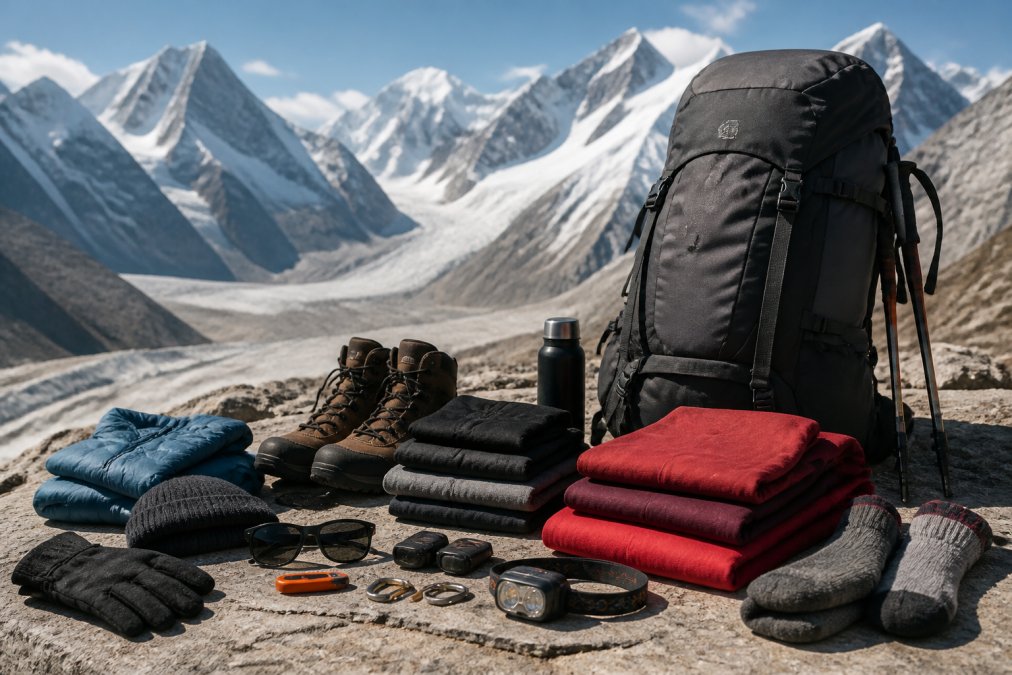
The 5-4-3-2-1 Packing Method
This method forces you to commit to limits and make intentional choices:
- Five tops (base layers, t-shirts, technical shirts) that mix and match with everything else
- Four bottoms (shorts, pants, leggings, one pair for each major activity type)
- Three outer layers (lightweight jacket, insulator, weather shell)
- Two pairs of footwear (one for trail, one for city, or one versatile pair)
- One accessory set (hat, gloves, socks, items that serve multiple purposes)
This constraint forces quality over quantity. Each piece has to work with multiple other pieces and serve at least two purposes.
Sustainable Care and Maintenance
Technical fabrics require specific care to maintain their properties. Merino wool should be washed in cool water and air-dried. Synthetic blends often benefit from machine washing on a gentle cycle. Avoid fabric softeners and excessive heat, both degrade technical performance. Air-dry whenever possible. Proper care extends the life of your versatile clothes for mountain and city, making your initial investment pay dividends over years.
Repair small issues before they become major problems. A small tear or loose seam can be fixed in minutes with basic sewing skills. This mindset, treating your clothes as investments worth maintaining, is what separates people who build lasting versatile wardrobes from those who constantly replace worn-out pieces.
Gender-Neutral Styling and Formal-to-Trail Transitions
Versatility extends beyond environment to include styling flexibility and the ability to dress up or down depending on context.
Gender-neutral design means cuts and fits that work across body types without requiring completely separate product lines. Tremendous World pieces prioritize functional fit over gendered silhouettes, expanding who can wear each piece and increasing outfit combinations within a limited wardrobe.
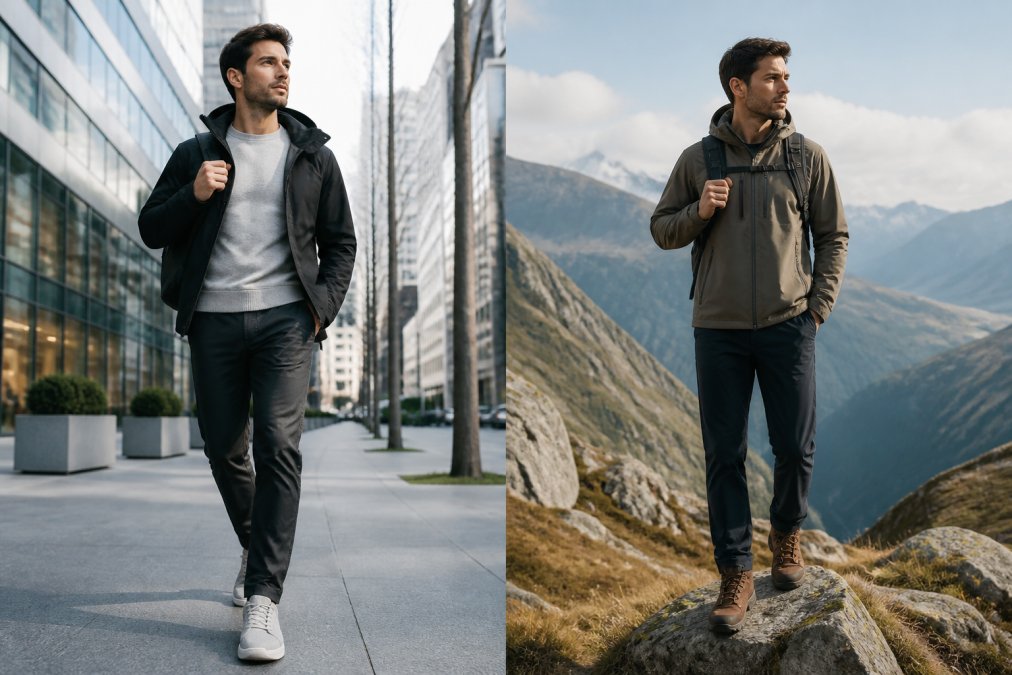
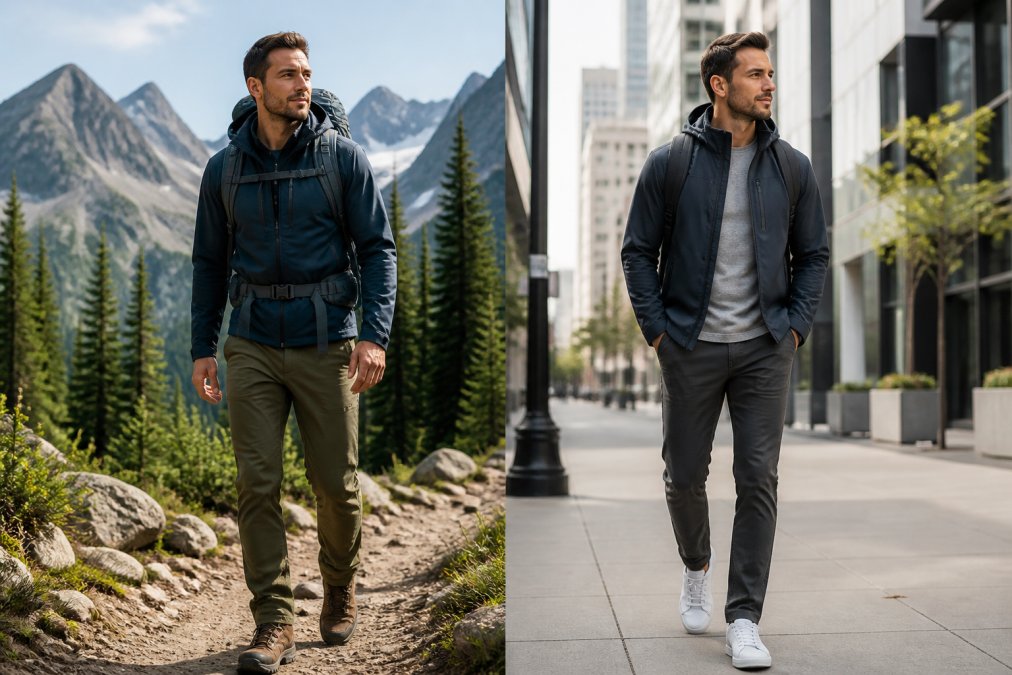
The formal-to-trail transition is where true versatility reveals itself. Can you wear your outfit to a business casual office, then directly to a mountain trail without changing? Look for technical pieces with clean lines and neutral colors that don't read as overtly "outdoor." A technical shirt in charcoal with minimal branding works in professional settings. A pair of stretch pants in black functions in casual offices and on trails equally well.
Building a wardrobe of versatile clothes for mountain and city means investing in pieces that earn their place through multiple uses. Tremendous World's collection is designed specifically for this transition, premium athletic lifestyle apparel that performs on technical terrain while maintaining the aesthetic standards of urban environments. Start with quality base layers and a neutral palette, add transition pieces that work in both contexts, and commit to a layering system that handles variable climates. The result is the freedom to move between your life's different contexts without constantly asking whether what you're wearing is appropriate.
Frequently Asked Questions
Q: What is the 5-4-3-2-1 packing method for versatile clothes?
A: The 5-4-3-2-1 method simplifies packing by selecting five tops, four bottoms, three outer layers, two pairs of footwear, and one accessory set. This system forces you to choose multi-functional pieces that work together across different environments. For mountain and city transitions, prioritize technical fabrics like merino wool and synthetic blends that handle both trail conditions and urban settings. This approach ensures every item earns its place in your bag.
Q: What fabrics work best for clothes that transition from trail to street?
A: Merino wool, nylon blends, and four-way stretch synthetics dominate versatile travel wardrobes. Merino wool offers natural odor resistance and temperature regulation, critical for mountain use without looking technical in the city. Nylon and spandex blends provide durability, quick-dry properties, and a refined aesthetic. Look for wrinkle-resistant treatments on base layers and mid-layers so you move seamlessly from hiking to dinner without needing an iron. Technical fabrics with breathability ensure comfort during high-movement activities and casual urban wear.
Q: How do you layer clothing for fluctuating mountain and city temperatures?
A: Use a three-layer system: a moisture-wicking base layer (merino wool or synthetic), an insulating mid-layer (fleece or lightweight down), and a weather-resistant outer shell. In cities, you can wear the base and mid-layer as standalone pieces or remove layers entirely. On the mountain, the system traps warmth and manages moisture. Choose packable layers that compress small, this lets you carry your full temperature range without bulk. Neutral colors and minimalist designs ensure your layering system works for both environments.
Q: What makes a capsule wardrobe for outdoor travel different from regular travel clothing?
A: A capsule wardrobe for outdoor travel prioritizes technical performance alongside style. Each piece must handle moisture, temperature swings, and durability demands of trails while maintaining an urban aesthetic. This means choosing earth tones and neutral palettes that work in both environments, investing in wrinkle-resistant and quick-dry fabrics, and selecting transition pieces like technical pants that function as hiking gear and casual streetwear. Regular travel clothing often sacrifices performance; outdoor travel capsules sacrifice nothing.
Q: How can you maintain versatile clothes and extend their lifespan?
A: Sustainable care starts with washing less frequently, technical fabrics resist odor naturally, so spot-clean when possible. Use cold water and gentle detergent to preserve moisture-wicking properties and fabric integrity. Air-dry whenever feasible instead of machine drying, which degrades synthetic blends and elastic fibers. Store layering pieces flat to prevent stretching. For merino wool, hand-wash separately. Treating your versatile wardrobe with care ensures pieces perform on trails and look sharp in the city for years, reducing the need for constant replacement.
Q: Can gender-neutral versatile clothing work for both mountain and city environments?
A: Yes. Gender-neutral cuts in technical fabrics offer the best versatility for dual-environment dressing. Straight silhouettes, standard waistbands, and minimalist designs in earth tones and neutral colors work across body types and presentation styles. Focus on fit rather than gendered tailoring, a well-fitted technical shirt in charcoal or olive functions equally on a trail or at a city dinner. This approach maximizes your wardrobe's flexibility and ensures every piece serves multiple occasions without compromise.
Q: What weight-to-warmth ratio should I prioritize in versatile outdoor-to-urban clothing?
A: Prioritize pieces offering maximum warmth with minimal weight, this is the weight-to-warmth ratio. Merino wool base layers and synthetic mid-layers excel here, providing thermal regulation without bulk. A lightweight down or synthetic insulated jacket compresses to pocket-size while delivering serious warmth. This ratio matters because it lets you pack efficiently and layer without feeling restricted in the city. Check product specifications for grams of insulation per ounce of fabric; higher ratios mean you carry less while staying warm across temperature fluctuations.
Q: How do you style technical outdoor gear to look polished in urban settings?
A: Start with a neutral palette, charcoal, olive, navy, and cream create a cohesive urban aesthetic. Pair technical base layers with refined transition pieces like tailored technical pants or structured shorts. Layer with a minimalist jacket in a neutral color rather than bright technical branding. Add accessories like a simple watch or bag to anchor the outfit in streetwear. The key is choosing technical fabrics with clean lines and understated details. When gear looks intentional rather than purely functional, it reads as high-end athletic lifestyle apparel rather than outdoor equipment.
This article was written using GrandRanker