 how-to
Durable Hiking Clothes for City Wear: A Guide
Table of Contents
- Understanding the Layering System for Dual-Purpose Wear
- Selecting Fabrics That Perform On Trail and Street
- Best Hiking Pants for Everyday Wear
- How to Style Outdoor Gear for the City
- Maintenance Tips for Technical Outdoor Fabrics
- Evaluating Durability: What Truly Lasts
- Frequently Asked Questions
Last Updated: September 1, 2026
Understanding the Layering System for Dual-Purpose Wear
A proper layering system manages moisture, regulates temperature, and adapts to changing environments, whether you're transitioning from a morning hike to an afternoon office meeting or moving through unpredictable urban weather. Durable hiking clothes for city wear rely on three distinct layers working together, each serving a specific function to create a cohesive wardrobe that performs on trail and street alike.
Base Layer: Moisture-Wicking Foundation
Your base layer sits directly against your skin and moves sweat away from your body. Moisture-wicking fabrics pull perspiration outward, allowing it to evaporate rather than cling to your skin, keeping you dry during intense activity and preventing the clammy feeling that ruins both comfort and appearance.
For city wear, base layers must be thin enough to layer under professional or casual clothing without adding bulk. Synthetic fibers like polyester and nylon excel here because they dry quickly and maintain their shape through repeated washing. Look for pieces with four-way stretch construction, which allows unrestricted movement in all directions whether you're scrambling up a rocky trail or reaching across a conference table. The fabric should feel soft against skin without that slick synthetic feel that screams "technical gear."
Mid-Layer: Thermal Regulation and Versatility
Mid-layers trap warm air while allowing moisture vapor to escape. Polyester fleece remains the gold standard because it insulates even when damp, dries quickly, and compresses into a packable bundle. For city wear, a quality fleece mid-layer can be worn alone as a casual jacket or layered under an outer shell.
The best mid-layers for dual-purpose wear come in neutral colors and understated designs. Avoid bright neons or aggressive logos that scream "outdoor gear." Look for pieces with thumb loops or hand pockets that serve practical functions while maintaining a refined appearance. Lightweight mid-layers pack down to almost nothing, which means you can carry them in a backpack or messenger bag without taking up real estate.
Outer Shell: Weather Protection and Urban Appeal
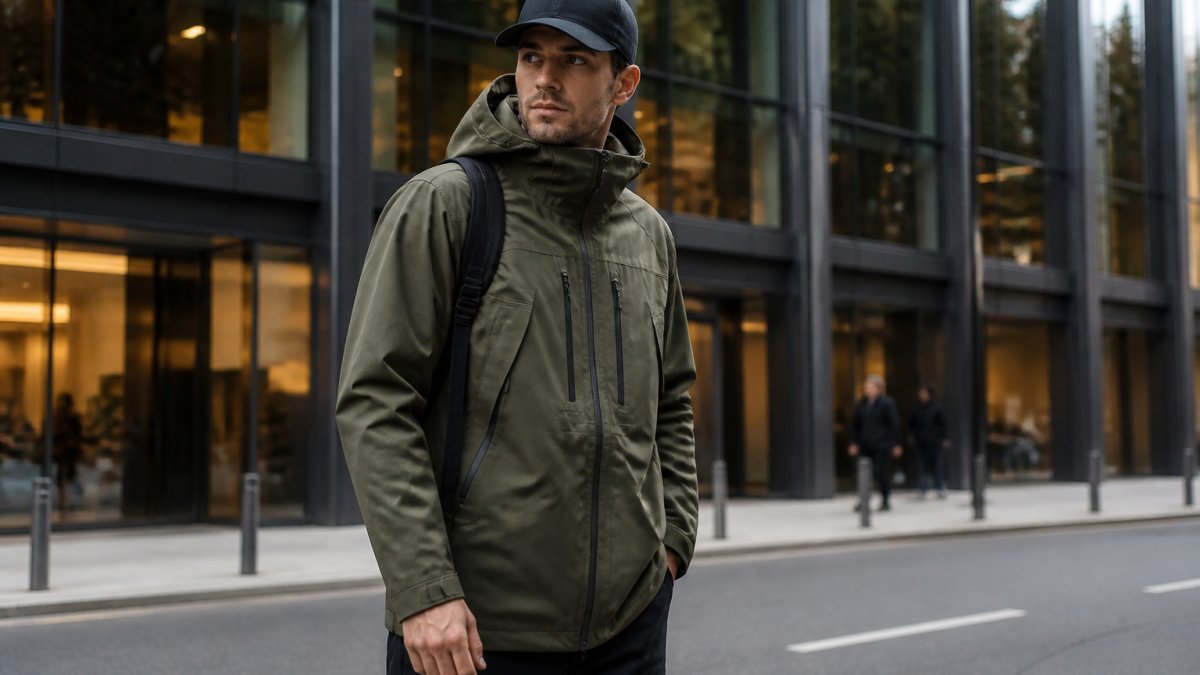
Your outer shell protects against wind and rain while allowing internal moisture vapor to escape. Durable water repellent (DWR) coatings on technical fabrics shed water without feeling plastic-like. The best shells for city wear use muted color palettes, charcoal, navy, olive, black, that work as well on an urban street as they do on a mountain.
Look for shells with articulated elbows and ergonomic fit rather than oversized silhouettes. Ripstop fabric reinforcement in high-stress areas adds durability without obvious visual bulk. Tapered cuffs and adjusted hems prevent that "billowing parachute" look. Minimal visible branding lets the piece blend into your wardrobe rather than advertising that you're wearing "hiking clothes." Multiple functional pockets that don't create weird lumps when filled with urban essentials matter significantly.
Selecting Fabrics That Perform On Trail and Street
Understanding what different fabrics offer helps you make intentional choices rather than defaulting to whatever feels familiar.
Synthetic Fibers: Durability and Quick-Drying Performance
Synthetic fibers dominate durable hiking clothes for good reason. Polyester, nylon, and their blends offer superior durability, quick-drying capability, and abrasion resistance compared to natural fibers. Polyester holds its shape through repeated washing and resists fading from UV exposure (peer-reviewed research). Nylon provides exceptional abrasion resistance, which matters in high-friction areas like seat and inner thighs where fabric rubs against itself during movement (peer-reviewed research).
The quick-drying performance of synthetics makes them practical for urban life. You can wash a piece in the morning and wear it that evening without concern. Synthetic fibers also handle the abuse of urban environments better than natural alternatives, concrete, metal fixtures, rough backpack straps, and constant friction don't break down synthetic fabrics as readily.
Look for fabrics with high denier counts (measured in grams per square meter). Higher denier means thicker, more durable fabric. A 200-denier nylon lasts longer than 100-denier nylon, though it weighs slightly more. For pieces you'll wear frequently in both environments, the weight trade-off is worth the durability gain.
Blended Materials: Balancing Function and Aesthetics
Pure synthetics sometimes feel too technical or plastic-like for pieces you want to wear casually. Blended materials combining synthetics with small percentages of natural fibers offer a middle ground. A polyester-elastane blend adds stretch while maintaining quick-dry properties. A 90% polyester, 10% elastane blend performs like synthetic while feeling more refined.
For durable hiking clothes meant to work in both environments, lean toward blends that maintain at least 70% synthetic content. This preserves the performance characteristics you need while improving the aesthetic and tactile feel. Blended materials also tend to resist pilling better than pure synthetics, which matters if you plan to wear these pieces frequently.
Best Hiking Pants for Everyday Wear
Selecting the right pants is where most people struggle with the transition from pure outdoor gear to dual-purpose apparel. Technical hiking pants need specific features to perform on trail, but those same features can look awkward in urban settings if not chosen carefully.
Key Features to Look For
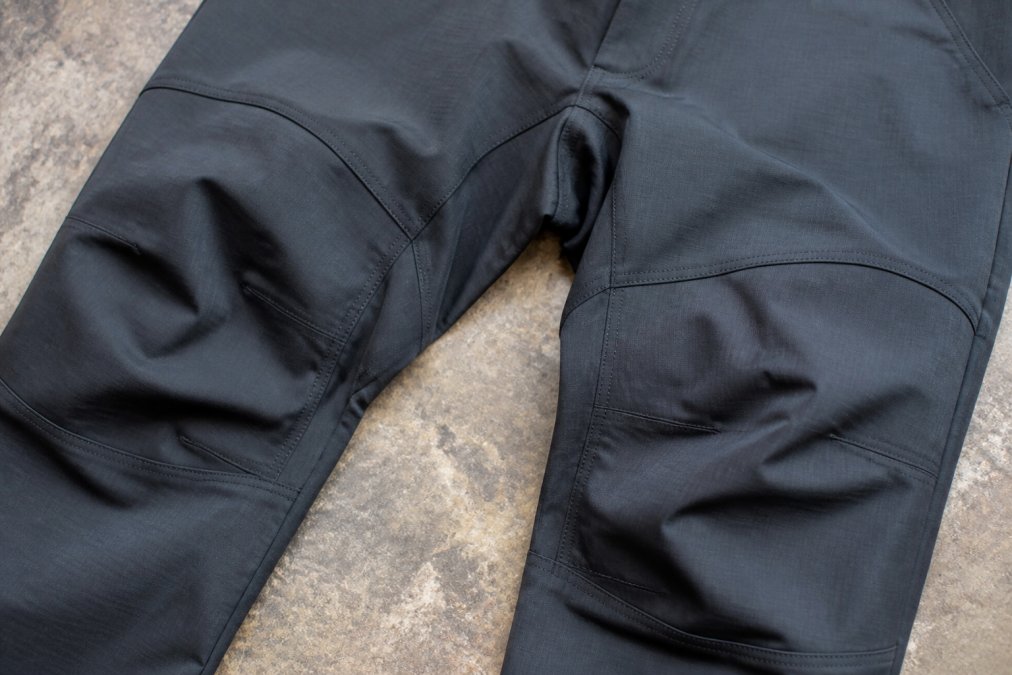
The best hiking pants for everyday wear combine technical performance with refined aesthetics. Look for articulated knees with pre-bent construction that allows natural movement without creating obvious wrinkles or folds when you're sitting. A gusseted crotch provides additional range of motion for climbing and scrambling without being visible from outside. Four-way stretch fabric allows movement in all directions simultaneously.
Tapered legs and adjusted inseams prevent the pooling or bunching that makes outdoor pants look out of place in urban settings. The pants should hit at your ankle without extra fabric dragging on the ground. Pockets should be positioned naturally rather than oversized or awkwardly placed.
Weight and packability matter for versatility. Lightweight technical pants compress into a small bundle, which means you can pack them in a carry-on or backpack without dedicating half your luggage space.
Pros and Cons of Technical Hiking Pants
Technical hiking pants excel at performance but come with trade-offs worth understanding. The primary advantage is durability, ripstop reinforcement and abrasion-resistant construction mean these pants handle rough use without tearing. They dry quickly after rain or washing and resist wrinkles far better than cotton alternatives.
The downside is that technical pants sometimes feel less refined than traditional trousers. The fabric can have a slight sheen or plastic-like quality that reads as "outdoor gear." Seams are sometimes more visible than on dress pants, and pockets are designed for function rather than aesthetics, which can create bulges when filled with typical urban items.
Technical pants often lack the tailoring details of dress trousers, no creases, minimal structure, and simplified construction mean they're more casual by default. This works perfectly for athleisure but might feel too informal for professional environments. The lightweight feel, while actually a feature, might seem less durable than heavier trousers.
How to Style Outdoor Gear for the City
The real skill isn't finding durable hiking clothes, it's wearing them in ways that look intentional and refined rather than like you grabbed whatever was clean.
Building a Capsule Wardrobe
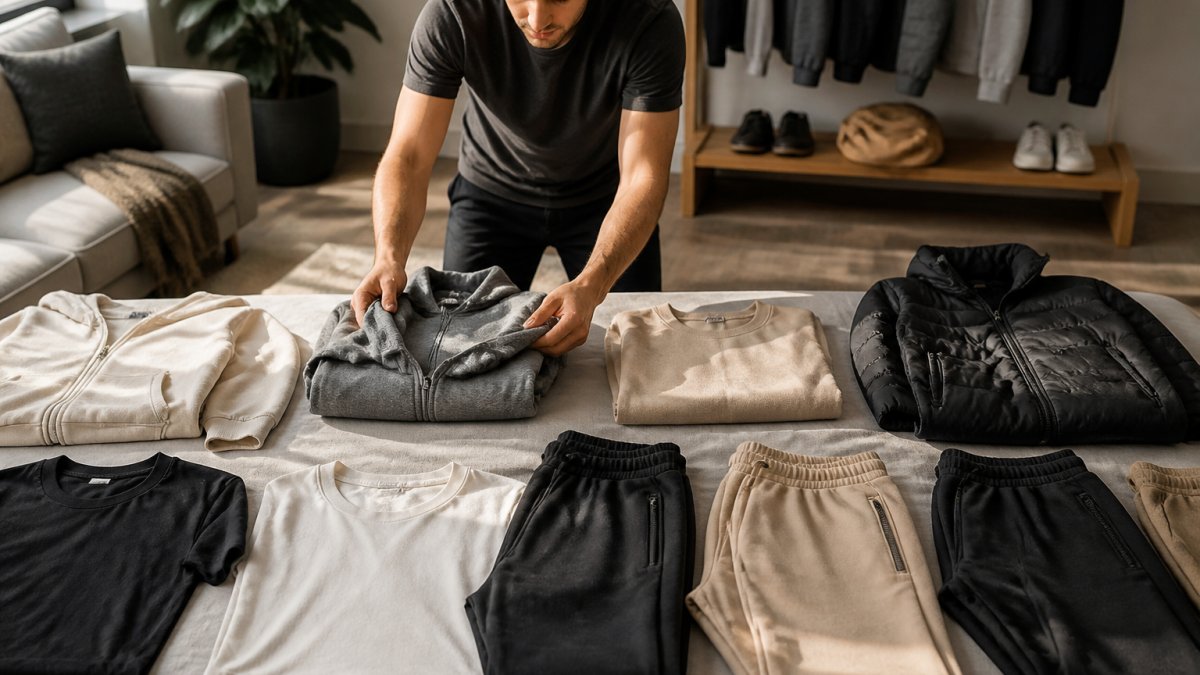
A capsule wardrobe approach means selecting a small number of versatile pieces that work together across multiple outfits. For outdoor-inspired urban wear, start with neutral-colored base pieces: black, navy, olive, charcoal, and cream. These colors work with almost everything and don't scream "outdoor gear."
Add two or three quality mid-layer pieces in neutral tones. One quality outer shell in a neutral color covers most weather scenarios. For pants, two or three pairs in different weights gives you options. The key to capsule wardrobe success is intentional repetition, you're building a system where most pieces work together so you can grab any top, any pants, and any shell, and the result looks coordinated.
Urban-Specific Aesthetic Styling
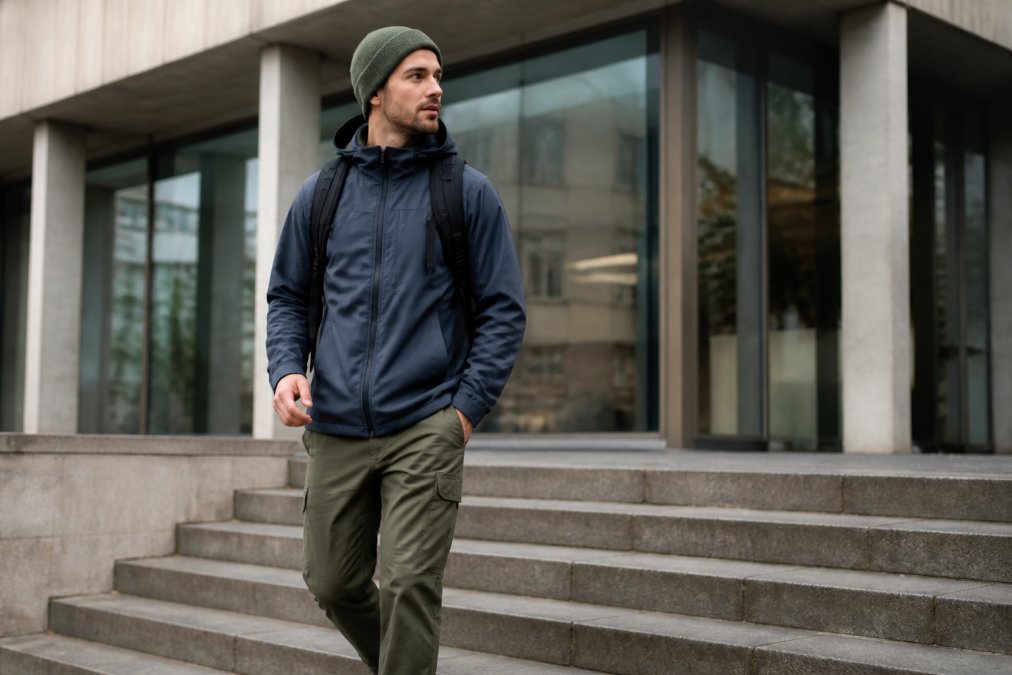
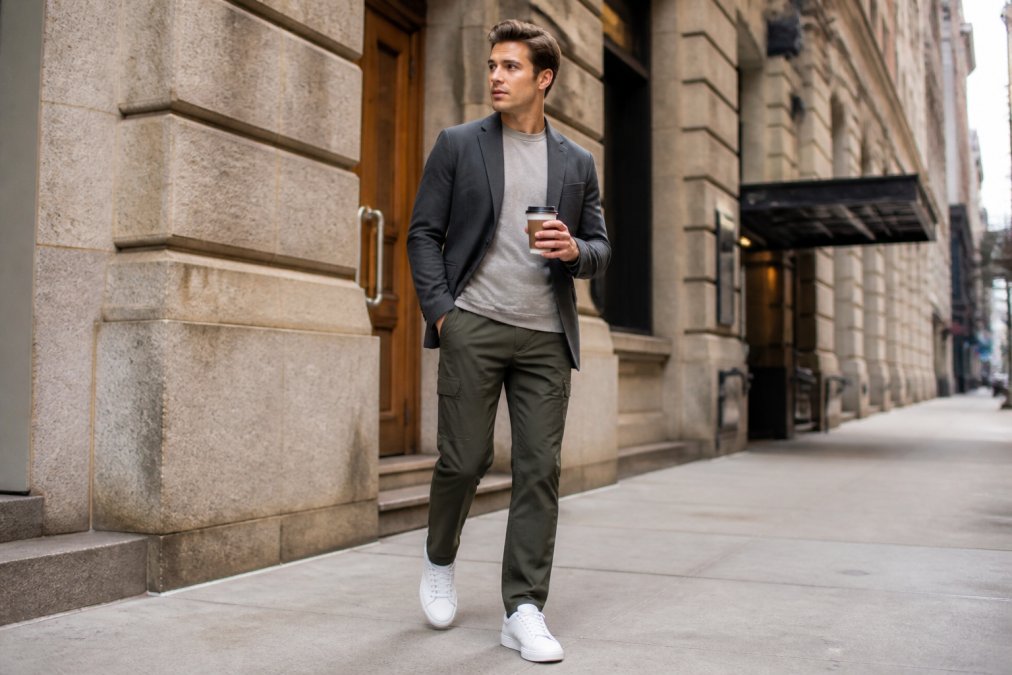
Urban styling of outdoor gear means treating it like you would any other clothing rather than as specialized equipment. Pair technical pants with refined tops rather than graphic t-shirts. A simple linen shirt, a minimal sweater, or a tailored button-up transforms technical pants from "hiking gear" to "intentional casual wear."
Footwear matters enormously. Technical hiking shoes look exactly like what they are. Minimal sneakers, leather boots, or refined casual shoes ground outdoor pieces in urban context. Layering visible pieces matters too, a visible base layer in a contrasting color can look like a deliberate styling choice. Proportions help tremendously: fitted outer shells look more refined than oversized ones, and tapered pants work better in urban settings than relaxed fits.
Accessories complete the transition. A quality bag, refined jewelry, or a structured coat worn over your technical layers signals that you're styling intentionally and anchors the look in urban context.
Maintenance Tips for Technical Outdoor Fabrics
How you care for durable hiking clothes determines whether they actually last five years or fall apart after two.
Preserving Durable Water Repellent Coatings
Durable water repellent (DWR) coatings shed water but degrade with washing and UV exposure (peer-reviewed research). Each wash removes some coating, which is why DWR-treated garments eventually stop beading water as effectively. You can restore DWR performance through re-treatment, but prevention is more practical.
Wash DWR-coated pieces less frequently than regular clothing. If the piece isn't visibly soiled, spot-clean instead of full washing. When you do wash, use cool water and mild detergent without fabric softeners or bleach. Fabric softeners coat the fabric and reduce DWR effectiveness. Dry DWR-treated pieces on low heat or air dry. Some manufacturers recommend a low-heat dryer cycle to help the DWR cure and restore effectiveness, but check your garment's specific care instructions.
Avoid storing DWR-treated pieces in direct sunlight. UV exposure degrades the coating over time. If you notice water no longer beads on a DWR-treated piece, a re-treatment product can restore the coating without replacing the garment.
Storage and Care for Longevity
Store outdoor gear in cool, dry conditions. Avoid plastic storage bins that trap moisture; use breathable storage bags or hang pieces in a closet with air circulation. Don't store damp or wet gear, this is the primary cause of mildew and mold growth. Always ensure pieces are completely dry before storage.
Inspect stored gear periodically for signs of damage. Small holes or tears are easier to repair before they grow. Keep zippers functioning smoothly by occasionally running them through their full range. Store pieces away from direct heat sources and extreme temperature fluctuations. Basements work better than attics.
Evaluating Durability: What Truly Lasts
Durability isn't just about how long a piece lasts, it's about understanding what actually contributes to longevity and what's marketing hype.
Abrasion-Resistant Construction and Ripstop Reinforcement
Abrasion resistance describes how well fabric resists wearing through from friction. High-denier synthetic fabrics resist abrasion better than low-denier alternatives. A 500-denier nylon withstands more rubbing than 100-denier nylon, which matters in areas prone to friction like seat and inner thighs.
Ripstop fabric incorporates reinforced grid patterns that prevent small tears from spreading. If ripstop fabric tears, the tear stops at the reinforced grid rather than continuing across the entire piece. Reinforced seams in high-stress areas extend garment life significantly. Gusseted crotches, reinforced knee areas, and double-stitched seams all reduce the likelihood of catastrophic failure. Taped seams add durability and weather resistance.
High-denier fabric with reinforced construction lasts longer than lightweight alternatives. This comes at the cost of weight and sometimes aesthetics. For pieces you'll wear frequently in both outdoor and urban settings, the durability trade-off is worth considering.
Sustainability vs. Durability Trade-Offs
A garment that lasts ten years but requires energy-intensive production and uses problematic materials may not be more sustainable than a piece that lasts five years but uses recycled content and ethical manufacturing. True sustainability requires balancing durability with production impact.
Many outdoor brands now use recycled polyester, which reduces the environmental impact of production. Recycled content performs identically to virgin polyester in most applications. Manufacturing practices matter as much as materials, pieces made with water-efficient dyeing, minimal chemical waste, and ethical labor practices have lower environmental impact.
The most sustainable choice is usually the most durable choice. A piece that lasts longer requires replacement less often, which reduces overall environmental impact. Consider your actual usage when evaluating durability claims. A piece designed for extreme mountain use might be overbuilt for primarily urban wear. Choose pieces matched to your actual use case rather than defaulting to the most extreme option.
Finding durable hiking clothes that work seamlessly in both outdoor and urban environments requires understanding how technical fabrics, construction details, and styling choices work together. The pieces you choose should perform on trail while looking intentional on city streets. At Tremendous World, we design premium athletic lifestyle apparel specifically for people who move between environments, pieces that handle real use without compromising on style. Our collection combines technical performance with refined aesthetics, so you're not choosing between function and appearance. Explore pieces built for your active lifestyle, where durability meets urban appeal.
Frequently Asked Questions
Q: What is the 3-layer rule for hiking and how does it apply to city wear?
A: The 3-layer system consists of a moisture-wicking base layer, an insulating mid-layer, and a weather-resistant outer shell. For city wear, this translates to technical underwear or fitted merino blends, a fleece or synthetic mid-layer that works as a standalone piece, and a water-resistant jacket. This approach ensures you stay comfortable whether you're hiking or navigating urban environments without needing to change completely.
Q: How can you tell if hiking clothes are durable enough for daily use?
A: Look for abrasion-resistant fabrics, reinforced seams, and ripstop construction in high-stress areas like the crotch and knees. Check for gusseted details and articulated knees that suggest thoughtful engineering. Quality durable water repellent (DWR) coatings should bead water visibly. Examine stitching closely, tight, even stitches indicate better construction. Many premium brands use synthetic fibers like polyester or nylon blends that withstand repeated wear and washing better than single-fiber materials.
Q: Are synthetic fabrics better than natural fibers for multi-purpose clothing?
A: For hiking clothes that transition to city wear, synthetics generally outperform natural fibers. Polyester and nylon blends offer superior moisture-wicking, quick-drying performance, and durability through repeated washing. They resist abrasion and maintain their shape better than cotton or wool alone. However, blended materials that combine synthetic performance with natural fiber aesthetics offer the best compromise, they look refined for urban settings while delivering the functional benefits needed on trails.
Q: How do you maintain the water-repellency of hiking gear for city commutes?
A: Wash technical outdoor fabrics in cold water with minimal detergent to preserve the durable water repellent (DWR) coating. Avoid fabric softeners and bleach. Tumble dry on low heat, the heat helps reactivate the DWR finish. To restore water-beading properties, apply a DWR treatment spray or wash-in product as needed. Store gear in a cool, dry place away from direct sunlight, which can degrade synthetic fibers and coatings over time.
This article was written using GrandRanker