 how-to
Durable Athletic Wear for Mountain Hiking: A How-To Guide
Table of Contents
- Understanding Durable Athletic Wear for Mountain Hiking
- How to Layer Hiking Clothes for Performance and Comfort
- Choosing Abrasion-Resistant Outdoor Apparel Materials
- Essential Gear: Hiking Pants, Boots, and Socks
- Hiking Clothing Maintenance Tips for Long-Term Durability
- Weight-to-Durability Ratio: Balancing Performance and Longevity
- Sustainability and Ethical Manufacturing in Outdoor Apparel
- Conclusion
Last Updated: August 27, 2026
Understanding Durable Athletic Wear for Mountain Hiking
Durable athletic wear for mountain hiking is apparel engineered to withstand trail environments while maintaining comfort across changing weather and terrain. This means fabric that resists abrasion from rock contact, moisture-wicking properties that prevent sweat buildup, and construction that holds up through repeated washing and repair cycles.
The difference between casual athletic wear and true mountain-ready gear comes down to material selection, construction technique, and how the garment handles real-world stress. Cotton absorbs sweat, loses insulation when wet, and tears easily on rocky alpine trails (the CDC). Durable athletic wear solves these problems by design.
At Tremendous World, we've built our collection around this principle: your gear should survive the mountains and transition seamlessly back to city life. A gusseted crotch in hiking pants distributes stress across a wider seam area, reducing blowout risk during steep descents. DWR coatings on shells shed dirt and reduce the need for aggressive washing that damages fibers.
This guide covers the material choices, construction details, and maintenance practices that separate gear lasting three seasons from gear lasting a decade.
How to Layer Hiking Clothes for Performance and Comfort
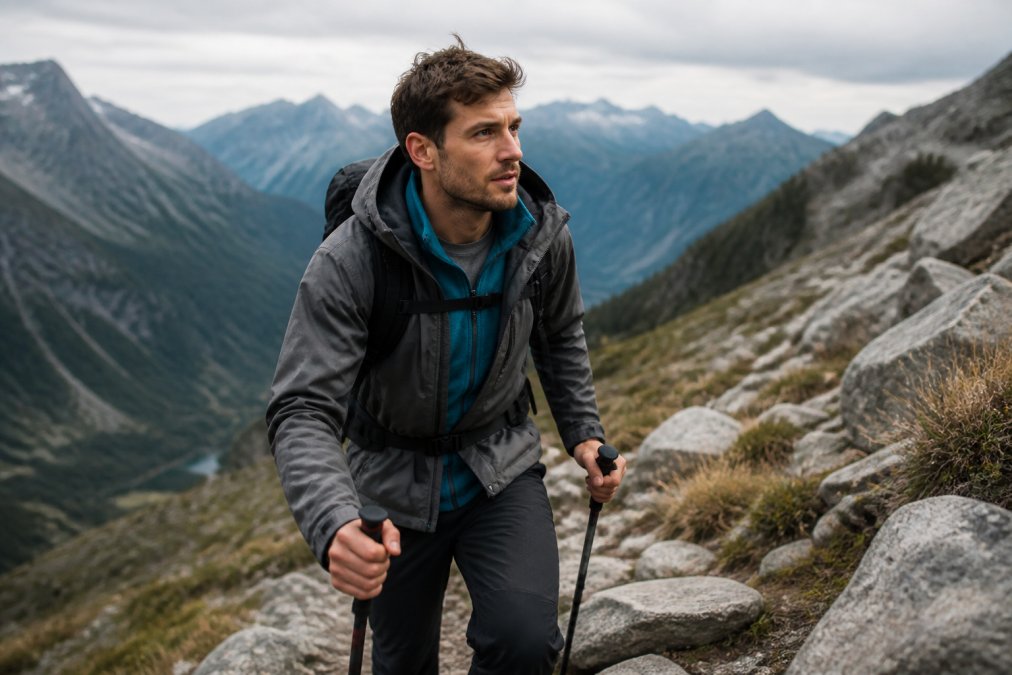
Layering is the foundational principle of durable athletic wear for mountain hiking. Each layer has a specific job: moisture management, thermal regulation, or weather protection. This system lets you adjust to changing conditions without carrying bulk.
Base Layer: Moisture-Wicking Foundation
A base layer's primary job is moving sweat away from your skin. Cotton fails catastrophically, it absorbs moisture and stays wet, dropping your core temperature dangerously on descents.
Synthetic fibers and merino wool excel at moisture-wicking because they're hydrophobic. Water moves to the outer surface where evaporation happens, keeping your skin relatively dry during hard climbs.
Synthetic base layers dry fastest and cost less. Merino wool regulates temperature better and handles odor naturally, making it ideal for multi-day trips. Both significantly outperform cotton on durability, resisting pilling and maintaining elasticity through dozens of wash cycles.
Fit matters for durability. A base layer should be snug enough to move moisture efficiently but not so tight that it stretches excessively during movement.
Mid-Layer: Thermal Regulation and Breathability
The mid-layer traps warm air while allowing excess heat and vapor to escape. Fleece is durable and forgiving, handling repeated compression and drying quickly if wet. Down offers superior warmth-to-weight but fails when wet. Synthetic insulation maintains some warmth when damp and compresses well.
Look for four-way stretch fabrics that move with your body and allow air circulation. Articulated panels reduce stress on seams and improve comfort during active hiking.
Shell Layer: Weather Protection
Quality shells use waterproof membranes like Gore-Tex that block liquid water while allowing water vapor to pass through. Without the vapor-permeable membrane, sweat condenses inside, leaving you wet from the inside.
DWR coatings on the outer surface shed light rain and reduce water absorption. Ventilation features like pit zips let you dump excess heat without removing the shell entirely, reducing stress from repeated on-and-off cycles.
Choosing Abrasion-Resistant Outdoor Apparel Materials
Material selection determines how many seasons your gear will last. Abrasion resistance comes from fiber type, fabric weight, and weave density.
Synthetic Fibers and Ripstop Technology
Polyester and nylon are the workhorses of durable outdoor apparel. Both are hydrophobic, dry quickly, and resist UV damage. Nylon is tougher and more resistant to abrasion, making it the better choice for high-stress areas like seat, knees, and shoulders.
Ripstop weaving adds a grid pattern of thicker threads throughout the fabric. If the fabric tears, the ripstop grid stops the tear from spreading.
The sweet spot for hiking apparel is typically 100-200 denier for shells and 200-400 denier for pants. Lighter fabrics work if reinforced in high-stress areas; heavier fabrics sacrifice some performance.
Merino Wool for Temperature Control
Merino wool regulates temperature across a wider range, keeping you warm when wet and cool when dry. It absorbs up to 30 percent of its weight in moisture without feeling damp and naturally resists odor-causing bacteria.
Merino wool's main weakness is pilling, which is mostly cosmetic. Quality merino wool is less prone to pilling because the fibers are finer and more tightly woven. It's more expensive than synthetics, making it ideal for base layers and socks but less economical for shells and pants.
Fabric Treatments: DWR Coatings and Water-Repellent Finishes
DWR (durable water-repellent) coatings shed water and extend the life of the waterproof membrane underneath by reducing how much water the fabric absorbs.
PFC-free DWR treatments are now standard in quality gear. Modern alternatives perform nearly as well as older PFC-based coatings and break down naturally. Plan on reapplication every 12-18 months of regular use regardless of treatment type (the FDA).
Essential Gear: Hiking Pants, Boots, and Socks
Three items deserve special attention because they take the most abuse on the trail.
Hiking Pants with Articulated Knees and Gusseted Crotch
Articulated knees are pre-bent to match your leg's natural movement during climbing, reducing stress on the knee seam. A gusseted crotch is an extra triangular piece of fabric sewn into the crotch seam, adding material where stress is highest during steep scrambling.
Reinforced seat and inner thigh areas handle friction and rock contact. Pockets should be positioned to avoid adding stress to main seams. Fabric weight typically ranges from 200-400 denier, with 250-300 denier plus reinforcement in high-stress areas offering the best compromise.
Footwear Selection: Boots vs. Shoes for Trail Performance
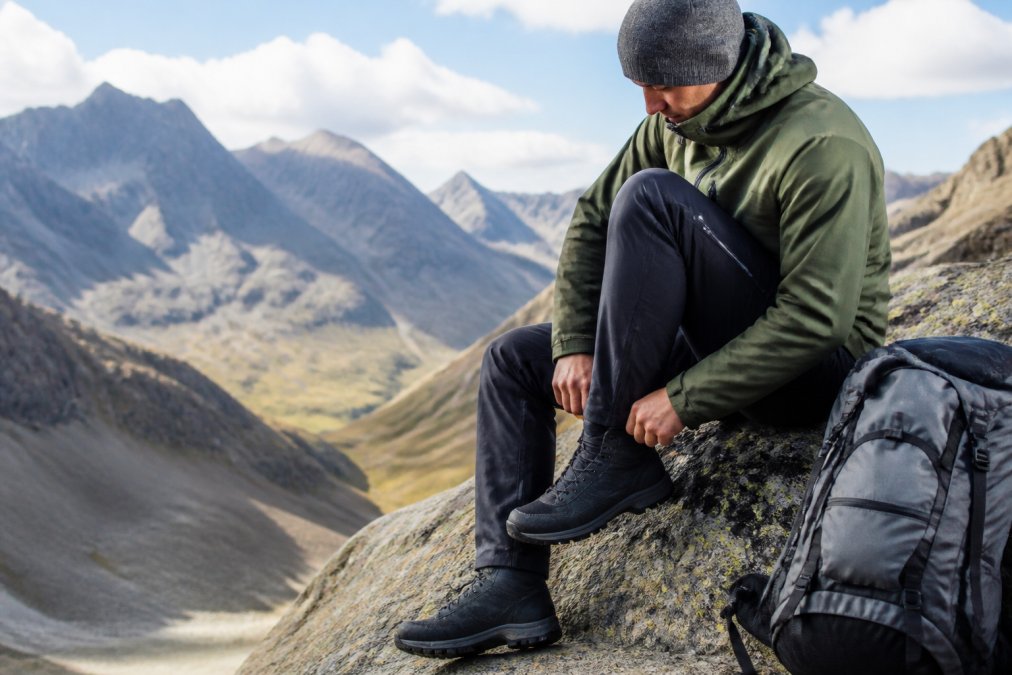
Boots provide ankle support and protection from rock strikes. They're heavier and require a break-in period but excel on steep terrain and multi-day trips.
Shoes are lighter and more packable with minimal break-in. They work well on well-maintained trails but offer less protection and ankle support.
From a durability standpoint, boots last longer because they're built heavier. A quality hiking boot survives 1,000+ miles; shoes typically last 500-700 miles before the midsole compresses.
The sole should use aggressive tread patterns with deep lugs. Vibram soles are the industry standard for durability and performance. Waterproofing uses membrane technology like Gore-Tex, but non-waterproofed boots dry faster and are generally more durable.
Hiking Socks and Blister Prevention
Merino wool socks outperform synthetics for hiking. They regulate temperature better, manage moisture more effectively, and resist odor naturally.
Cushioning should be targeted to high-impact areas, heel and ball of foot, rather than uniform. Crew-length socks protect the ankle from boot collar friction. Seams should be flat or minimal to avoid creating pressure points.
Hiking Clothing Maintenance Tips for Long-Term Durability
How you care for gear after purchase determines whether it lasts three seasons or ten.
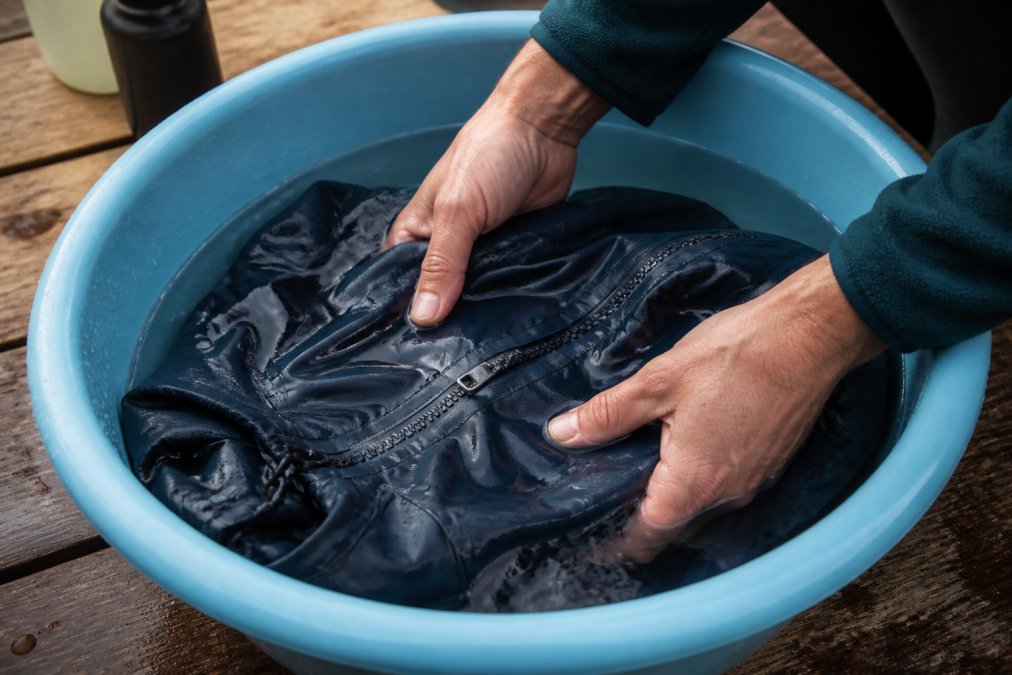
Washing and Care Protocols
Aggressive washing destroys technical fabrics. Hot water damages synthetic fibers and can degrade waterproof membranes. Bleach and fabric softener strip DWR coatings.
Use cold water, gentle cycle, and specialized gear soap. Regular detergent leaves residue that clogs waterproof membranes. Air drying is mandatory; machine drying damages most technical fabrics.
Spot cleaning between washes extends the time between full washes and reduces overall wear.
Repair and Restoration Techniques
Small damage caught early prevents catastrophic failure. Seam sealing repairs are possible for waterproof garments, a quick fix that can add years to a shell's life.
Fabric patches work for both shells and mid-layers. Sewn patches are more durable than self-adhesive ones. Zipper replacement is a common repair for heavily used gear and can be done at most outdoor repair shops.
DWR reapplication is the simplest maintenance task, extending shell life by years.
Weight-to-Durability Ratio: Balancing Performance and Longevity
The lightest gear isn't always the most durable. Ultralight gear uses thin fabrics and minimal construction, failing quickly under heavy use. Expedition-grade gear is durable but bulky.
For most hikers, the optimal ratio is found in midweight gear. A 10-12 ounce shell uses 100-150 denier fabric with reinforced seams and survives 500+ miles (peer-reviewed research). It's light enough for day hikes but durable enough for multi-day trips.
The calculation changes based on use patterns. A weekend warrior benefits from heavier, more durable gear. A thru-hiker might prioritize lighter weight and accept more frequent repairs.
Sustainability and Ethical Manufacturing in Outdoor Apparel
Durability and sustainability are connected. Gear that lasts longer reduces the environmental impact of manufacturing replacements. Gear that can be repaired rather than discarded is inherently more sustainable.
Many outdoor brands now publish transparency reports about manufacturing practices. Recycled materials are increasingly common in outdoor apparel, performing nearly identically to virgin polyester while reducing production's environmental footprint.
Fair labor practices matter for durability. Factories that treat workers well tend to produce higher-quality gear with better attention to detail.
At Tremendous World, we prioritize durability as a sustainability strategy. Gear that lasts longer doesn't end up in landfills. Our collection is built to repair and maintain rather than replace, aligning with both environmental responsibility and the practical needs of active individuals.
Durable athletic wear for mountain hiking is built on material science, construction technique, and realistic maintenance practices. The gear that lasts is designed for the specific abuse it will endure, maintained properly, and repaired when damage occurs.
Tremendous World's collection applies these principles across every piece. Moisture-wicking base layers resist pilling through dozens of washes. Shells with reinforced seams and DWR coatings shed water and extend membrane life. Pants with articulated knees and gusseted crotches distribute stress away from failure points. Start with the right foundation and maintain it properly, that's how gear survives the mountains and transitions seamlessly into your everyday life.
=== FAQ ANSWERS (audit these too, same rules) ===
[1] Q: What is the 3-layer rule for hiking? A: The 3-layer system consists of a moisture-wicking base layer (polyester or merino wool), an insulating mid-layer (fleece or down), and a waterproof shell layer for weather protection. This structure keeps you dry, warm, and protected on the trail. Base layers pull sweat away from skin; mid-layers trap warm air; shells block wind and rain. Together, they regulate temperature across changing conditions and elevation.
[2] Q: How do I know if durable athletic wear for mountain hiking will actually hold up on real trails? A: Look for ripstop fabrics, reinforced seams, and articulated knees in pants. Check for abrasion-resistant materials in high-wear zones (seat, knees, cuffs). Read care labels for DWR coating durability and washability. Quality brands often provide information on durability standards and repair guides. Test fit and movement before committing; poor fit can contribute to premature failure from friction. Merino wool and synthetic blends with four-way stretch typically outlast standard gym clothes by years.
[3] Q: Can I use standard gym clothes for mountain hiking? A: Standard gym clothes lack essential features for mountain terrain. Cotton absorbs moisture and loses insulation when wet, creating hypothermia risk. Gym fabrics lack abrasion resistance and tear easily on brush and rocks. Hiking-specific apparel includes gusseted crotches, articulated knees, and reinforced seams for movement on uneven ground. Weather-resistant shells and quick-drying synthetics are built into hiking wear but absent from gym clothing. Invest in technical gear designed for trail performance.
[4] Q: What is the best way to maintain durable hiking clothing to extend its lifespan? A: Wash hiking clothes in cold water with mild detergent; avoid fabric softener and bleach. Air-dry instead of machine drying to preserve DWR coatings and elastic. Reapply DWR treatment annually or when water stops beading on fabric. Repair small tears and loose seams immediately with a patch kit or professional service. Store in a cool, dry place away from direct sunlight. Inspect gear before and after each hike for damage, addressing issues early prevents catastrophic failure on the trail.
Frequently Asked Questions
What is the 3-layer rule for hiking?
The 3-layer system consists of a moisture-wicking base layer (polyester or merino wool), an insulating mid-layer (fleece or down), and a waterproof shell layer for weather protection. This structure keeps you dry, warm, and protected on the trail. Base layers pull sweat away from skin; mid-layers trap warm air; shells block wind and rain. Together, they regulate temperature across changing conditions and elevation.
How do I know if durable athletic wear for mountain hiking will actually hold up on real trails?
Look for ripstop fabrics, reinforced seams, and articulated knees in pants. Check for abrasion-resistant materials in high-wear zones (seat, knees, cuffs). Read care labels for DWR coating durability and washability. Quality brands often provide information on durability standards and repair guides. Test fit and movement before committing; poor fit can contribute to premature failure from friction. Merino wool and synthetic blends with four-way stretch typically outlast standard gym clothes by years.
Can I use standard gym clothes for mountain hiking?
Standard gym clothes lack essential features for mountain terrain. Cotton absorbs moisture and loses insulation when wet, creating hypothermia risk. Gym fabrics lack abrasion resistance and tear easily on brush and rocks. Hiking-specific apparel includes gusseted crotches, articulated knees, and reinforced seams for movement on uneven ground. Weather-resistant shells and quick-drying synthetics are built into hiking wear but absent from gym clothing. Invest in technical gear designed for trail performance.
What is the best way to maintain durable hiking clothing to extend its lifespan?
Wash hiking clothes in cold water with mild detergent; avoid fabric softener and bleach. Air-dry instead of machine drying to preserve DWR coatings and elastic. Reapply DWR treatment annually or when water stops beading on fabric. Repair small tears and loose seams immediately with a patch kit or professional service. Store in a cool, dry place away from direct sunlight. Inspect gear before and after each hike for damage, addressing issues early prevents catastrophic failure on the trail.
This article was written using GrandRanker