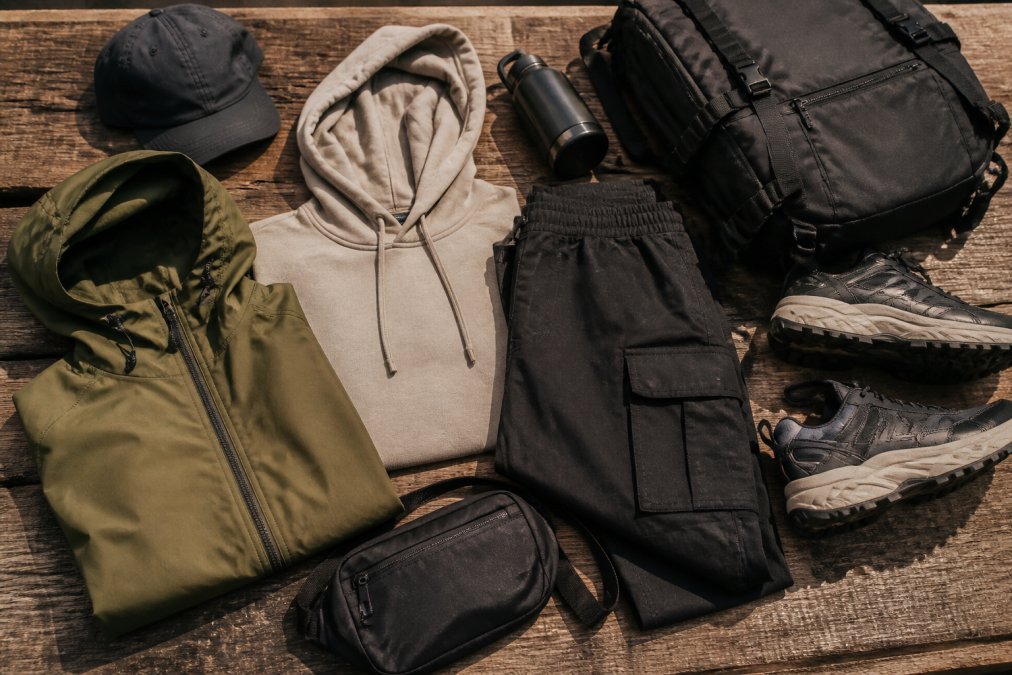
 listicle
Men's Streetwear for Outdoor Adventurers: Style Guide
Table of Contents
- Why Men's Streetwear for Outdoor Adventurers Is More Than a Trend
- The Rise of Gorpcore Fashion for Men
- Best Durable Fabrics for Adventure Clothing That Look Good in Town
- How to Style Outdoor Gear for the City: A Layering System That Works
- Key Pieces for Men's Streetwear for Outdoor Adventurers
- Building a Capsule Wardrobe for the Urban-to-Trail Transition
- Care and Maintenance: Making Your Adventure Gear Last
- Conclusion: Gear Up for Both Worlds
- Frequently Asked Questions
Last Updated: September 8, 2026
Why Men's Streetwear for Outdoor Adventurers Is More Than a Trend
The days of choosing between looking sharp in the city and being prepared for the trail are over. Men's streetwear for outdoor adventurers has evolved into a category that prioritizes technical performance without sacrificing modern style. This guide from Tremendous World breaks down how to build a versatile collection that performs everywhere you go.
What most guides get wrong is treating outdoor gear and streetwear as separate closets. The best pieces today merge both worlds: durable fabrics, weather-resistant construction, and ergonomic fits that look intentional in an urban setting. Below, we cover the 5 core pillars of a functional adventure-ready wardrobe: fabrics, layering, key pieces, capsule building, and maintenance.
The Rise of Gorpcore Fashion for Men
Gorpcore fashion for men is the styling movement that made technical apparel cool in everyday settings. The term, which grew from the trail snack acronym GORP (good old raisins and peanuts), describes wearing outdoor performance gear as streetwear. It gained momentum as men realized that a quality shell jacket or articulated pant offers more utility and longevity than fast-fashion alternatives.
This shift reflects a broader cultural change in how men dress. Commuters now carry technical daypacks, remote workers wear moisture-wicking layers for post-work hikes, and weekend warriors want pieces that move seamlessly from trailhead to restaurant. The style works because it prioritizes function first, and the aesthetic follows naturally from well-designed, rugged materials. As trend analysis from Highsnobiety notes, the boundary between outdoor function and urban fashion has effectively dissolved for a generation that values experiences over possessions.
Best Durable Fabrics for Adventure Clothing That Look Good in Town
The best durable fabrics for adventure clothing balance abrasion resistance, weather protection, and a clean appearance. You do not need to sacrifice style for toughness when modern textiles deliver both. Focus on these material categories when evaluating pieces:
- Ripstop nylon and polyester: Lightweight, tear-resistant, and quick-drying. These form the backbone of technical shells and convertible pants. The ripstop weave pattern, characterized by a grid of thicker reinforcing threads, stops tears from spreading. Look for nylon with a denier rating between 70D and 210D; lower denier is lighter and more packable, while higher denier offers greater abrasion resistance for rocky terrain. Polyester, while slightly less abrasion-resistant than nylon, holds its shape better and is often used in fleece and insulation due to its moisture-wicking properties.
- Durable water repellent (DWR) coatings: Applied to outer layers to make water bead up and roll off, keeping you dry in light rain. DWR works by creating a microscopic surface tension that prevents water from soaking into the fabric. This coating is not permanent; it wears off with friction and washing. Most manufacturers recommend reapplying a DWR treatment annually, or whenever water stops beading on the surface. Products like Nikwax TX.Direct or Grangers Performance Repel Plus are common aftermarket solutions. Note that DWR is a water repellent, not a waterproofing solution; for sustained downpours, you need a membrane like GORE-TEX or eVent underneath.
- Four-way stretch blends: Allow full range of motion, essential for climbing, hiking, or simply moving through a crowded city. These blends typically combine nylon or polyester with elastane (spandex) or a mechanical stretch construction. The stretch percentage matters: a blend with 8-12% elastane offers significant flexibility, while mechanical stretch fabrics achieve mobility through the weave structure itself, which can be more durable over time. Look for articulated knees and a gusseted crotch in pants, which work in conjunction with the stretch fabric to prevent restriction during high-step movements.
- Recycled insulation: Provides thermal regulation while aligning with sustainable values, a growing priority for outdoor enthusiasts according to industry research from the Outdoor Industry Association. Recycled polyester insulation, such as Patagonia's NetPlus (made from recycled fishing nets) or The North Face's Thermoball Eco, traps heat in small air pockets. The key metric is the fill weight and the warmth-to-weight ratio. A 60g insulation weight is suitable for cool weather, while 100g or higher is needed for winter conditions. The trade-off is that recycled insulation often has a slightly lower loft (fluffiness) compared to virgin materials, but modern manufacturing has minimized this difference.
The key is to check the fabric composition, not just the brand name. Cotton twill absorbs water and dries slowly, making it a poor choice for wet conditions. For a true urban-to-trail piece, look for a cotton-nylon blend (often called 'cotton canvas' or 'trail twill') that offers the look of cotton with the durability and quick-dry properties of nylon. Gramicci's G-Series pants and Outlier's Slim Dungarees are examples of this hybrid approach.
How to Style Outdoor Gear for the City: A Layering System That Works
Styling outdoor gear for the city comes down to mastering a three-layer system that adapts to changing temperatures and settings. The real opportunity lies in the urban-to-trail transition styling, a unique angle most guides miss because they focus purely on performance rather than the aesthetic bridge between city and wilderness.
Start with a base layer that is moisture-wicking and breathable to keep sweat off your skin. Merino wool, particularly in a 150-195 gsm weight, is the gold standard for urban wear because it resists odor better than synthetics, allowing multiple wears between washes. A crew-neck merino base layer in a neutral tone like heather gray or navy looks intentional under an open-collar shirt, unlike a visible synthetic athletic crew that screams 'gym.'
Add a mid-layer like a fleece or insulated jacket for thermal regulation. For city styling, choose a fleece with a clean, low-profile design rather than a bulky expedition-weight piece. The Polartec Alpha or Patagonia R1 are excellent choices because they offer breathability and warmth without the bulk. The styling trick is to size up slightly so the mid-layer can layer over a casual button-down or a heavyweight t-shirt, creating a more polished look than a base layer alone.
Finish with a shell jacket that is weather-resistant and packable. The shell is where the streetwear aesthetic truly shines. Choose a jacket with a matte finish rather than a glossy technical sheen. Colors like black, olive, or stone (a light gray-beige) blend seamlessly with urban outfits. The cut matters: a slightly longer hem (hip-length) reads more like a city jacket, while a cropped or boxy cut leans toward streetwear. Look for details like hidden hoods, minimal branding, and YKK AquaGuard zippers that offer both function and a clean look.
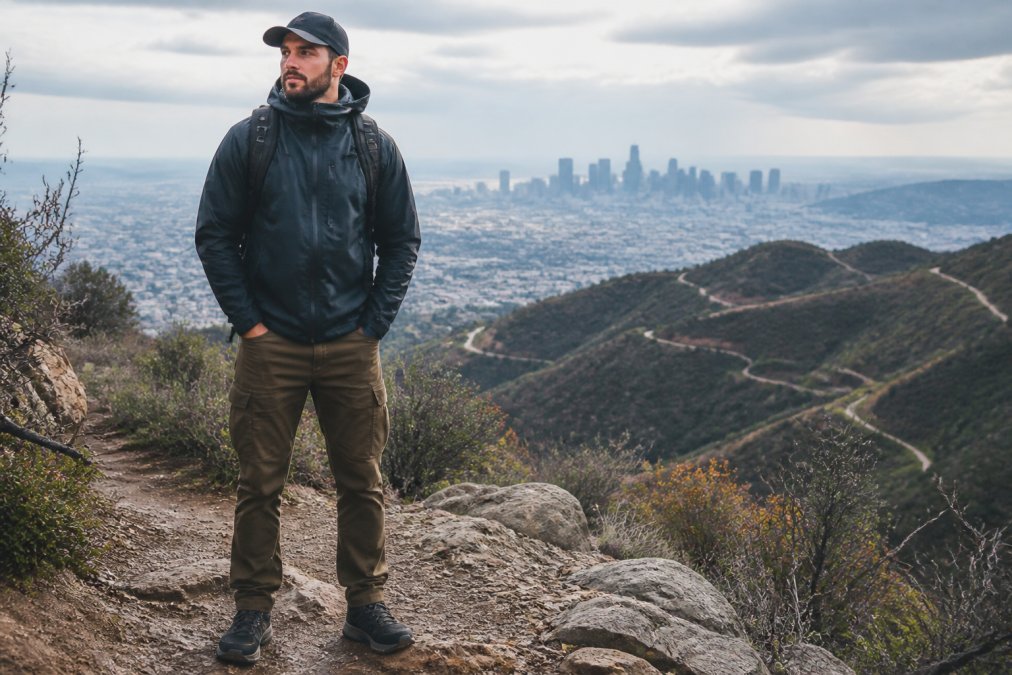
The styling secret is proportion and color. Choose muted, earthy tones that look sophisticated in town and hide trail dust. The 'gorpcore' palette, forest green, rust orange, mustard, and deep brown, works because these colors are inherently natural and pair well with the grays, blacks, and navies of urban wardrobes. Pair technical pants with a clean sneaker or trail boot, and keep accessories minimal. The goal is an ergonomic fit that looks intentional, not like you wandered off a mountain. A common mistake is wearing overly bright or logo-heavy pieces that scream 'hiker' rather than 'adventurer.'
A unique styling approach for the urban-to-trail transition is the 'texture contrast' method. Pair a smooth, technical shell (like a GORE-TEX jacket) with a textured mid-layer (like a waffle-knit fleece or a chunky merino sweater). This creates visual interest without relying on color or logos. Similarly, mix hard and soft materials: technical ripstop pants with a soft cotton t-shirt, or a brushed flannel over a synthetic base layer. This contrast is what separates a considered outfit from a purely functional one.
Finally, consider the 'packability' styling trick. A shell jacket that stuffs into its own pocket or a daypack that compresses down means you can start the day in a clean city look and transition to a layered trail system without carrying a bulky jacket. This is the essence of urban-to-trail transition styling: the ability to adapt your look to the environment without sacrificing style or function. As trend analysis from Highsnobiety notes, the boundary between outdoor function and urban fashion has effectively dissolved for a generation that values experiences over possessions.
Key Pieces for Men's Streetwear for Outdoor Adventurers
Building a functional wardrobe starts with a few high-quality anchors. These are the pieces that justify their cost through versatility and durability. When you invest in technical apparel, you are paying for fabric technology, reinforced stitching, and design details that fast-fashion brands skip. For a category overview of what to prioritize, consider this comparison:
| Piece | Core Feature | Best For | Price Consideration |
|---|---|---|---|
| Technical Shell | Weather-resistant, packable | Rain and wind protection | Premium materials cost more |
| Insulated Jacket | Thermal regulation, DWR finish | Cold weather layering | Recycled insulation adds value |
| Convertible Pants | Articulated knees, quick-dry | Trail to town transitions | Look for four-way stretch |
| Trail Footwear | Vibram soles, leather uppers | Grip and durability | Recraftable boots last longer |
| Technical Daypack | Ventilated suspension | Commutes and day hikes | Lightweight is worth the price |
Technical Shells and Insulated Jackets
A quality shell is the most important piece in an adventure-ready wardrobe. It protects against wind, rain, and unexpected weather shifts while packing down small enough to carry anywhere. Brands like Arc'teryx and The North Face Summit Series set the standard with GORE-TEX membranes and articulated patterning.
For most men, a versatile shell with a durable water repellent finish and a clean silhouette offers the best balance. Insulated jackets, such as those from Patagonia using recycled materials, provide warmth without bulk and transition easily from a trailhead to a casual dinner.
Convertible and Articulated Pants
Pants are where comfort and mobility matter most. Look for articulated knees and a gusseted crotch. Convertible pants that zip into shorts add versatility for warmer months, while heavier options like Gramicci's climbing-inspired trousers offer durability and a relaxed streetwear aesthetic.
The fabric choice dictates performance: heavy-duty cotton twill looks sharp but offers limited water resistance, while ripstop nylon or polyester blends dry quickly and resist abrasion. Commuters may prefer the look of cotton, while hikers should prioritize quick-dry performance.
Footwear That Bridges the Gap
Footwear is the bridge between the trail and the city. Heritage-inspired boots like Danner's full-grain leather offerings provide rugged durability and a timeless look. Vibram outsoles give you traction on loose terrain and wet pavement alike, and recraftable construction means a quality pair can last for years with proper care.
The tradeoff is a break-in period that synthetic sneakers do not require. Plan to wear new boots around town for a week before hitting serious trails. For warmer months or lighter adventures, consider trail-running shoes with aggressive tread that pair well with technical pants and look modern in urban settings.
Building a Capsule Wardrobe for the Urban-to-Trail Transition
A capsule wardrobe for adventurers solves the "nothing to wear" problem by limiting your collection to pieces that all work together. Start with a foundation that covers every season:
- Two moisture-wicking base layers (short and long sleeve)
- One insulated mid-layer or fleece
- One weather-resistant shell jacket
- Two pairs of technical pants (one convertible, one heavier)
- One pair of trail footwear and one pair of casual sneakers
- One technical daypack for commuting and short hikes
This six-item foundation covers most urban-to-trail scenarios. Add seasonal pieces like a heavier insulated parka for winter or sun-protection layers for summer. Every piece earns its place, reducing decision fatigue and ensuring your gear actually gets used.
Care and Maintenance: Making Your Adventure Gear Last
Technical apparel represents a real investment, and proper care determines whether it lasts one season or five. The most common mistake is washing performance fabrics with standard detergent, which strips DWR coatings and degrades moisture-wicking properties.
Follow these maintenance guidelines to extend the life of your gear:
- Wash technical pieces with specialized detergent designed for performance fabrics
- Reapply DWR coating annually to maintain water resistance
- Air dry shells and insulated jackets instead of using high heat
- Clean boots regularly and condition leather to prevent cracking
- Store gear loosely folded, not compressed, to preserve insulation loft
Taking care of your gear is also a sustainability choice. Extending the life of a jacket or pair of boots reduces waste and honors the resources that went into manufacturing them. As guidance from REI's expert advice explains, small maintenance habits like proper washing and storage dramatically extend the functional life of outdoor equipment.
Conclusion: Gear Up for Both Worlds
Building a wardrobe that serves both city and trail requires resisting the urge to buy cheap, trend-driven pieces that fail on the mountain and look worn out in town. Invest in fewer, better items that combine technical performance with a style you will actually want to wear daily.
That is the philosophy behind Tremendous World's premium athletic lifestyle apparel and streetwear. Our collection is designed for the active, the ambitious, and the unapologetically bold, crafted to keep you comfortable and stylish whether you are tackling the daily grind or reaching new summits. With versatile pieces built for city and outdoor environments, you can move through your day with confidence. Get started with Tremendous World and build a wardrobe that keeps up with your life wherever it takes you.
Frequently Asked Questions
What defines the 'gorpcore' aesthetic in men's streetwear?
Gorpcore fashion for men centers on wearing technical outdoor apparel in everyday urban settings. The aesthetic combines functional pieces like shell jackets, convertible pants, and trail running shoes with a more casual, street-level styling. The appeal lies in the contrast between rugged utility and city style. To pull it off, focus on high-quality, performance-driven pieces in neutral or earthy tones that look intentional rather than costumey.
How do you balance technical performance with urban style?
The balance comes from choosing pieces that offer genuine outdoor functionality but feature a clean, modern silhouette. Look for garments with articulated knees and four-way stretch for movement, but in colors that work with your everyday wardrobe. A durable water repellent finish on a minimalist jacket is a perfect example of performance you can't see, but that keeps you dry on a rainy commute.
What are the best materials for versatile outdoor-to-street apparel?
For true versatility, prioritize ripstop fabric for its tear resistance and lightweight feel, and nylon blends for durability and quick-dry properties. Fabrics with a durable water repellent (DWR) treatment shed light rain. For insulation, look for recycled materials that pack down small. These options provide the weather resistance and breathability needed for trails while maintaining a refined look for the city.
How to build a capsule wardrobe for outdoor adventures and city life?
Start with a versatile base layer that is moisture-wicking, then add a mid-layer like a fleece for insulation. Your outer layer should be a weather-resistant shell jacket. On the bottom, choose one pair of durable, convertible pants and one pair of jeans. Finish with a pair of rugged boots that also work for casual wear. This core set covers most conditions and settings.