 listicle
Durable Hiking Clothes for Men: 2026 Top Picks
Table of Contents
- Quick Comparison: Durable Hiking Clothes for Men
- Best Hiking Pants for Men 2026: Trail-Tested Durability
- Durable Mid-Layers and Fleeces for Men
- Weatherproof Shells and Jackets for Men
- How to Choose Hiking Clothes That Last
- Hiking Clothing Care and Maintenance
- Conclusion
- Frequently Asked Questions
Last Updated: September 13, 2026
Quick Comparison: Durable Hiking Clothes for Men
Durable hiking clothes for men are garments built with abrasion-resistant fabrics, reinforced stitching, and weather-ready finishes that survive repeated trail use without falling apart. This guide from Tremendous World covers the pants, mid-layers, and shells that hold up season after season.
The difference between gear that lasts five years and gear that lasts one usually comes down to fabric weight, seam construction, and how the piece handles moisture. Below, we break down options across three categories, then explain how to evaluate durability before you buy.
| Category | Top Pick | Key Durability Feature | Best For |
|---|---|---|---|
| Pants | REI Sahara Convertible | Abrasion-resistant nylon, UPF 50+ | Changing weather, multi-use trails |
| Mid-Layer | Patagonia Micro D Fleece | Recycled polyester microfleece | Backpacking insulation |
| Shell | Marmot Minimalist | Gore-Tex Paclite, seam-taped | Wet-weather hiking |
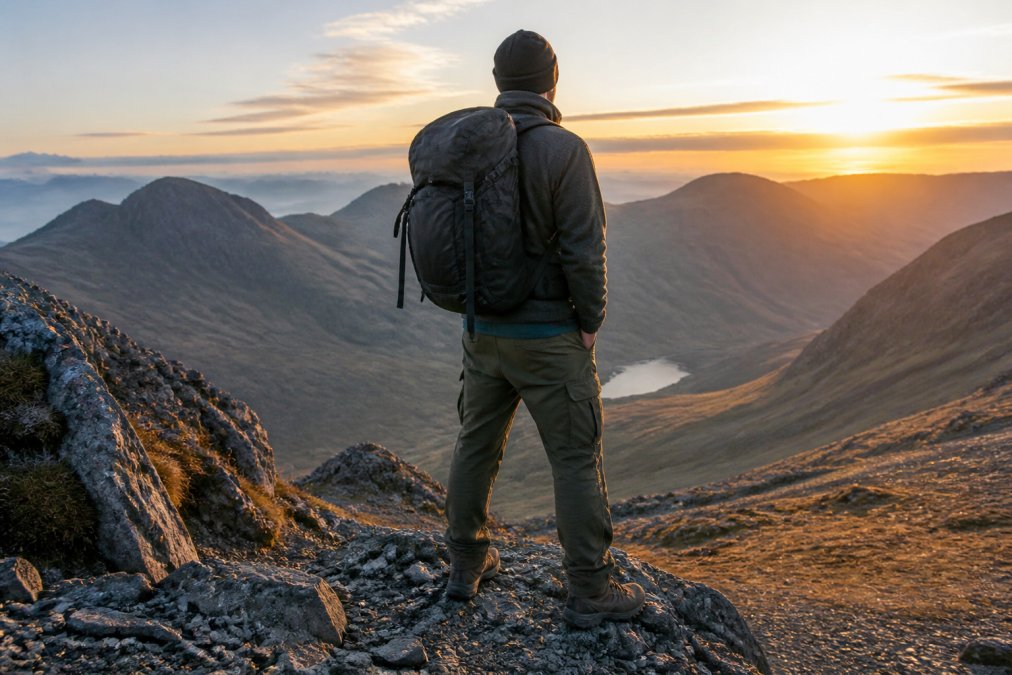
Best Hiking Pants for Men 2026: Trail-Tested Durability
The best hiking pants for men 2026 balance abrasion resistance with mobility. Every pair below uses stretch-woven or reinforced fabric designed to survive rock scrapes, brush, and repeated washing.
REI Sahara Convertible Pants
These zip-off pants handle temperature swings without a wardrobe change. The abrasion-resistant nylon holds up against granite and sandstone, and UPF 50+ protection matters on exposed ridgelines (the EPA). The tradeoff: the convertible zippers add bulk around the knee. At $79.95, they are the value pick for hikers who want one pair to do everything.
Outdoor Research Ferrosi Pants
The Ferrosi is the most comfortable pant on this list. The stretch-woven fabric moves with you on scrambles, and the wind- and water-resistant finish sheds light rain. One caveat: the lighter fabric can snag on sharp rock, so it is better suited to established trails than bushwhacking. At $99.00, it dries fast enough to wear two days in a row.
Mammut Runbold IV Pants
For long-distance trekking, the Runbold IV is the most rugged option here. High-stretch material, a durable water repellent treatment, and multiple zippered pockets make it a technical choice for demanding terrain. The high abrasion resistance justifies the $139.00 price if you hike often. Limited color options are the only real drawback.
Durable Mid-Layers and Fleeces for Men
A mid-layer is where warmth-to-weight ratio and longevity matter most. Both picks below use recycled materials and resist pilling after repeated washing.
Patagonia Micro D Fleece
The Micro D is the workhorse. Its 100% recycled polyester microfleece dries quickly, wicks moisture, and layers under a shell without bunching (PubMed). Fair Trade Certified sewing adds an ethical dimension many buyers care about. Where it falls short: no wind resistance, so pair it with a shell on exposed ridges. At $99.00, it lasts for years.
The North Face FutureFleece Hoodie
The FutureFleece uses a loop-knit construction that regulates temperature during high-output hiking. Flat-lock seams reduce chafing under a pack, and the low-profile hood fits under a helmet. It manages moisture better than the Micro D, but the $160.00 price reflects that. Best for hikers who run hot and sweat heavily on climbs.
Weatherproof Shells and Jackets for Men
A shell is your insurance policy. The two below use proven waterproof membranes and fully taped seams to keep rain out on multi-day trips.
Black Diamond Fineline Stretch Rain Shell
The Fineline packs into its own pocket, which makes it easy to stash until the sky opens. The BD.dry membrane blocks wind and rain, and underarm gussets keep your range of motion intact on scrambles. Breathability is moderate compared with a soft-shell, so expect some clamminess on hard climbs. At $149.00, it is strong value for the technical specs.
Marmot Minimalist Jacket
The Minimalist uses Gore-Tex Paclite, a membrane trusted for years in wet conditions (gore.com). Fully seam-taped construction and pit zips let you vent heat without removing the jacket. It can feel slightly stiff compared with softer shells, but the waterproof performance is hard to beat. At $250.00, it is the pick for backpackers who hike in sustained rain.
How to Choose Hiking Clothes That Last
Choosing hiking clothes that last comes down to three things: fabric weight, seam construction, and the finish applied to the fabric. Check the denier (fabric thickness) on pants, look for flat-lock or taped seams, and confirm any durable water repellent treatment.
- Fabric weight: Higher denier means more abrasion resistance but more weight. Trail pants usually sit between 40D and 100D.
- Seams: Flat-lock seams reduce chafing; taped seams keep water out. Avoid single-stitched seams on high-wear areas.
- Finishes: A DWR treatment sheds light rain but wears off. Reapply it rather than replacing the garment.
- Fit: Articulated knees and gusseted crotches prevent premature wear from stretching.
Hiking Clothing Care and Maintenance
Hiking clothing care and maintenance extends the life of every piece you buy. Most premature failures come from washing mistakes, not trail abuse.
- Wash shells and fleeces with tech wash, not detergent
- Skip fabric softener entirely; it coats fibers and blocks breathability
- Air-dry instead of tumble-drying to protect DWR and seams
- Reapply DWR spray when water stops beading on the surface
- Repair small tears with patches before they spread
- Store clean and dry, never damp in a stuff sack
Conclusion
Finding durable hiking clothes for men that survive real trail abuse takes some research, but the payoff is gear that lasts for years instead of one season. The picks above cover pants, mid-layers, and shells across a range of budgets.
At Tremendous World, we build premium athletic lifestyle apparel designed to move between city streets and mountain trails, so your gear keeps up whether you are on a summit or heading to dinner after. Our collection focuses on versatile pieces made for an active lifestyle, with streetwear styling that works off the trail too.
Shop Now at Tremendous World and gear up for wherever the trail takes you.
Frequently Asked Questions
What materials make hiking clothes the most durable?
Nylon and polyester blends offer the best durability for hiking clothes. Nylon resists abrasion and tears, while polyester adds stretch and quick-drying properties. Look for reinforced stitching at stress points, articulated knees, and fabrics with a DWR (durable water repellent) finish. For heavy brush or off-trail use, consider heavier cotton-spandex blends like those found in workwear-inspired pants. Avoid 100% cotton for wet conditions since it dries slowly and loses insulation when damp.
How do I choose hiking pants that won't rip on the trail?
Focus on fabric weight and construction. Ripstop nylon and stretch-woven fabrics resist snags better than lightweight knits. Check for reinforced knees and seat panels, which take the most abuse. Convertible pants with zip-off legs add versatility but the zippers can snag, so look for low-profile designs. Fit matters too: pants that are too tight restrict movement and stress seams, while overly loose fabric catches on branches. Try pants with articulated knees and a gusseted crotch for freedom of movement.
Is it worth investing in expensive hiking apparel?
Higher-priced hiking clothes often last longer and perform better in harsh conditions. Premium shells like those using Gore-Tex stay waterproof through years of use, while cheaper alternatives may delaminate after a season. Mid-layers made from quality fleece retain warmth and resist pilling. That said, you do not need to spend $300 per item. Brands like REI and Outdoor Research offer durable options under $100. Focus your budget on items you wear most: pants and a reliable rain shell.
What features should I look for in durable hiking shirts?
Prioritize moisture-wicking fabrics like merino wool or polyester blends, which move sweat away from your skin and dry quickly. Look for flatlock seams to reduce chafing under a backpack. UPF protection (30 or higher) shields you from sun on exposed trails. A durable hiking shirt should also have a relaxed fit that allows layering without bunching. Avoid cotton t-shirts for anything beyond short, dry hikes, since they hold moisture and can cause chafing.
How do I maintain the durability of my outdoor gear?
Wash hiking clothes after every few uses to remove sweat, dirt, and body oils that break down fabrics. Use a technical wash or mild detergent, never fabric softener, which clogs breathable membranes. For waterproof shells, tumble dry on low heat to reactivate the DWR finish, or apply a spray-on treatment when water stops beading. Store gear clean and dry, away from direct sunlight. Repair small tears promptly with gear tape or a patch kit to prevent them from spreading.