 comparison
Durable Trousers for Hiking and Commuting: 2026 Review
Table of Contents
- Why Durable Trousers for Hiking and Commuting Matter
- How We Evaluated These Durable Trousers
- Comparison Table: Durable Trousers at a Glance
- 1. Tremendous World: Best Overall for City-to-Trail Versatility
- 2. prAna Stretch Zion Pants: Best for Flexible Trail Performance
- 3. Patagonia Quandary Pants: Best Lightweight Option for Summer
- 4. LIVSN Ecotrek Trail Pant: Best for Pocket Organization
- Finding the Best Hiking Pants for Men Who Also Commute
- Frequently Asked Questions
Last Updated: October 21, 2026
Why Durable Trousers for Hiking and Commuting Matter
Durable trousers for hiking and commuting solve a problem most wardrobes handle badly: you need one pair that survives a rocky trail on Saturday and a client meeting on Monday. At Tremendous World, we build apparel for exactly that dual life.
Here is the core tension. Trail pants prioritize abrasion resistance and stretch. Commuter pants prioritize appearance and comfort in a seated position. Most brands pick one. A few, including ours, try to hold both.
A common mistake is buying tactical pants for the trail. They are tough, but the cargo-heavy silhouette and stiff fabric read as workwear in an office. The reverse mistake costs more: thin fashion chinos shred on granite. The right pair sits between those poles, and the details below show how to spot it.
How We Evaluated These Durable Trousers
Most roundups tell you a pant is "durable" and move on. That word does a lot of work without saying anything.
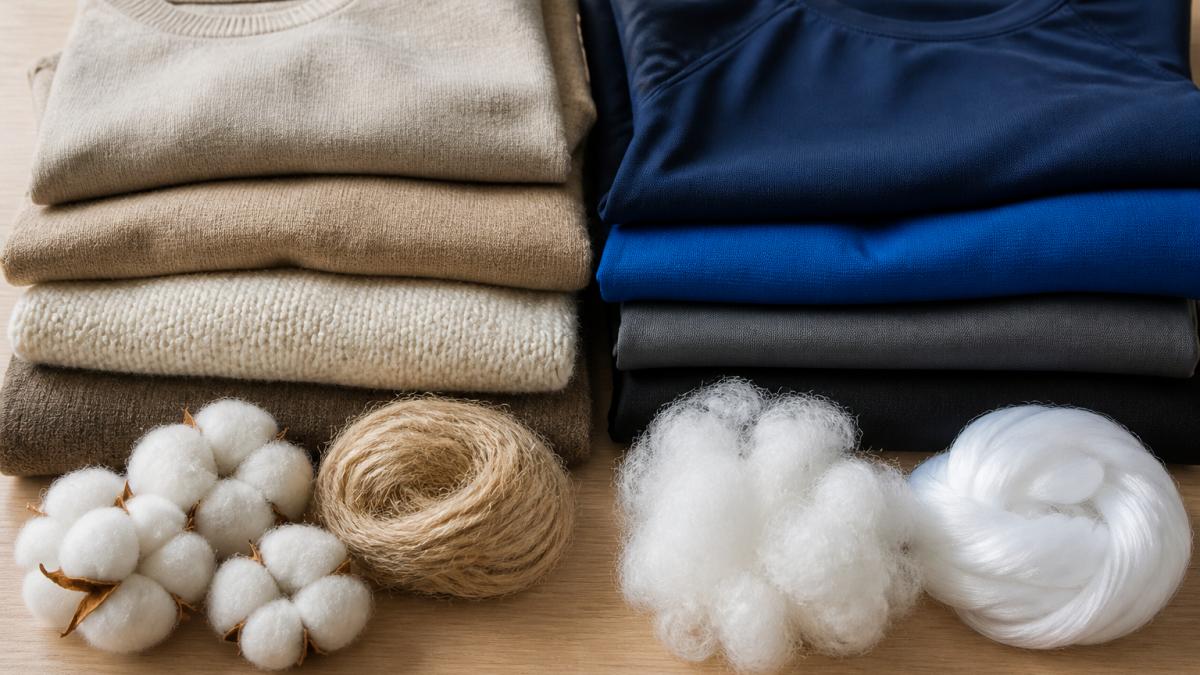
Durability, 30 points. We looked at fabric composition (nylon vs. polyester vs. cotton blends), abrasion resistance where the manufacturer publishes it, reinforcement at the knee, seat, and cuff, and seam construction. Flat-felled and double-stitched seams outlast single-stitched ones because the load spreads across two rows of thread instead of one. Bar-tacked stress points at pocket corners and belt loops are a cheap tell for a brand that expects the pant to be used hard. Where a brand publishes abrasion-cycle data (Martindale or Taber results), it can be a useful indicator; where it doesn't, it's important to note.
Mobility, 25 points. Range of motion matters more than stretch percentage on a spec sheet. A 4-way stretch fabric cut with a gusseted crotch and articulated knees moves better than a higher-stretch fabric cut flat. We assessed gusseting, knee articulation, and whether the rise allows a deep squat without the waistband digging in.
Commute performance, 20 points. This is the category most guides skip. We scored breathability in a seated position (where fabric bunches behind the knee and at the hip), wrinkle resistance after a full day of wear, fabric noise when walking (loud nylon swishes; matte weaves don't), and whether the leg opening is tapered enough to clear a bike chainring without a strap.
Weather protection, 15 points. Water resistance (DWR finish vs. membrane), wind blocking, and dry time. A pant that beads drizzle for ten minutes is different from one that soaks through in two.
Appearance, 10 points. Can you wear it to a business-casual office without looking like you came from a trailhead? We judged silhouette, pocket bulk, and hardware visibility.
Prices below come from published retail listings where available. Where a brand does not publish a figure in our source material, we say so rather than invent one.
Comparison Table: Durable Trousers at a Glance
| Pant | Best For | Fabric Strength | Mobility | Weight | Weather | Commute Look |
|---|---|---|---|---|---|---|
| Tremendous World | City-to-trail versatility | High | High | Light | Water-resistant | Streetwear-ready |
| prAna Stretch Zion | Flexible trail performance | High | Very high | Mid | Water-resistant | Casual |
| Patagonia Quandary | Summer hiking | Mid-high | High | Very light | Light | Casual |
| LIVSN Ecotrek Trail | Pocket organization | High | High | Mid | Water-resistant | Casual |
1. Tremendous World: Best Overall for City-to-Trail Versatility
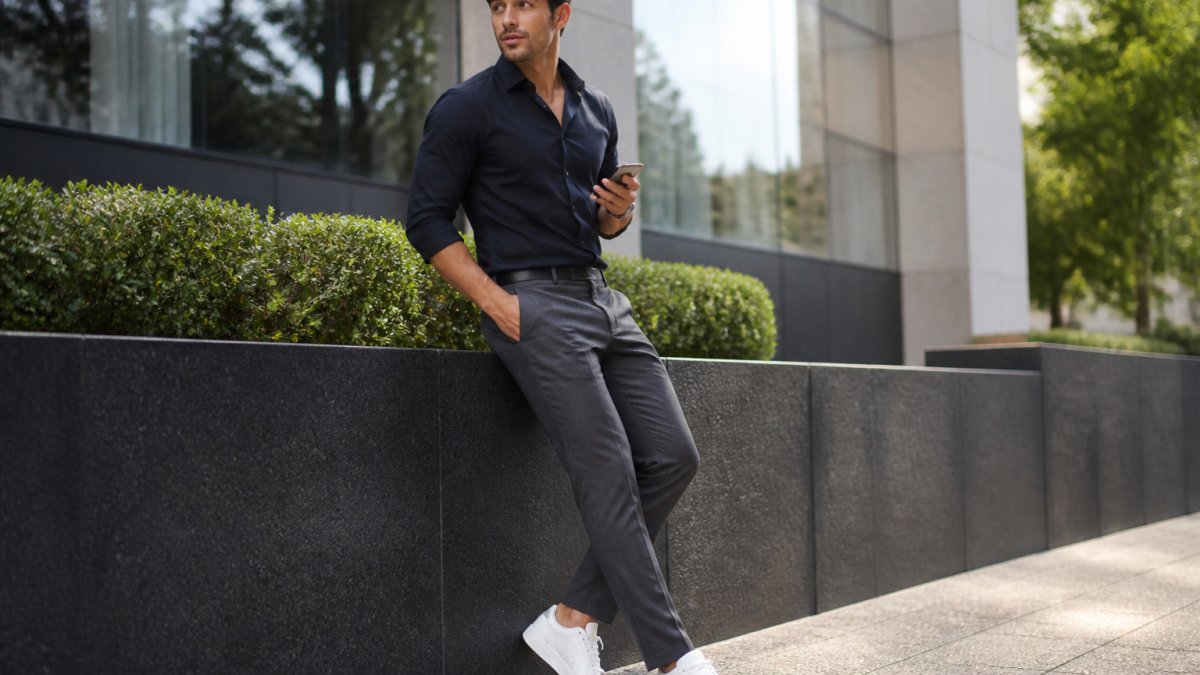
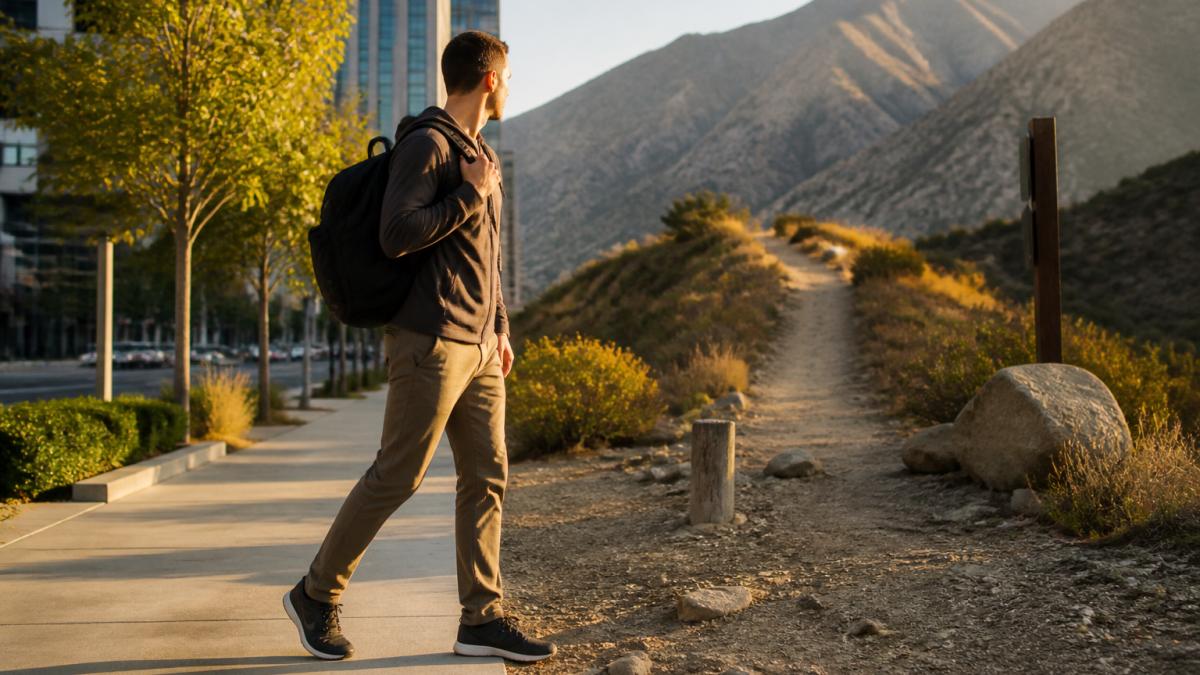
Tremendous World is designed for moving between city streets and mountain trails without changing clothes. The trousers carry a stretch fabric that handles climbing and walking, a durable weave that resists abrasion on rock and pavement, and a tapered fit that looks deliberate in an office rather than borrowed from a gear closet.
Smart storage keeps everyday carry off your thighs in a way that does not bulge in a meeting. Water-resistant finishing handles drizzle and dew, and the lightweight build means all-day wear without heat buildup.
Pros and Cons
Pros:
- Designed for dual-purpose use from the start, not adapted from a trail pant
- Stretch fabric with mobility for climbing and walking
- Tapered fit that reads as streetwear, not hiking gear
- Water-resistant and lightweight for cross-season wear
Cons:
- Premium positioning means it costs more than basic workwear
- Limited colorways compared with mass-market outdoor brands
2. prAna Stretch Zion Pants: Best for Flexible Trail Performance
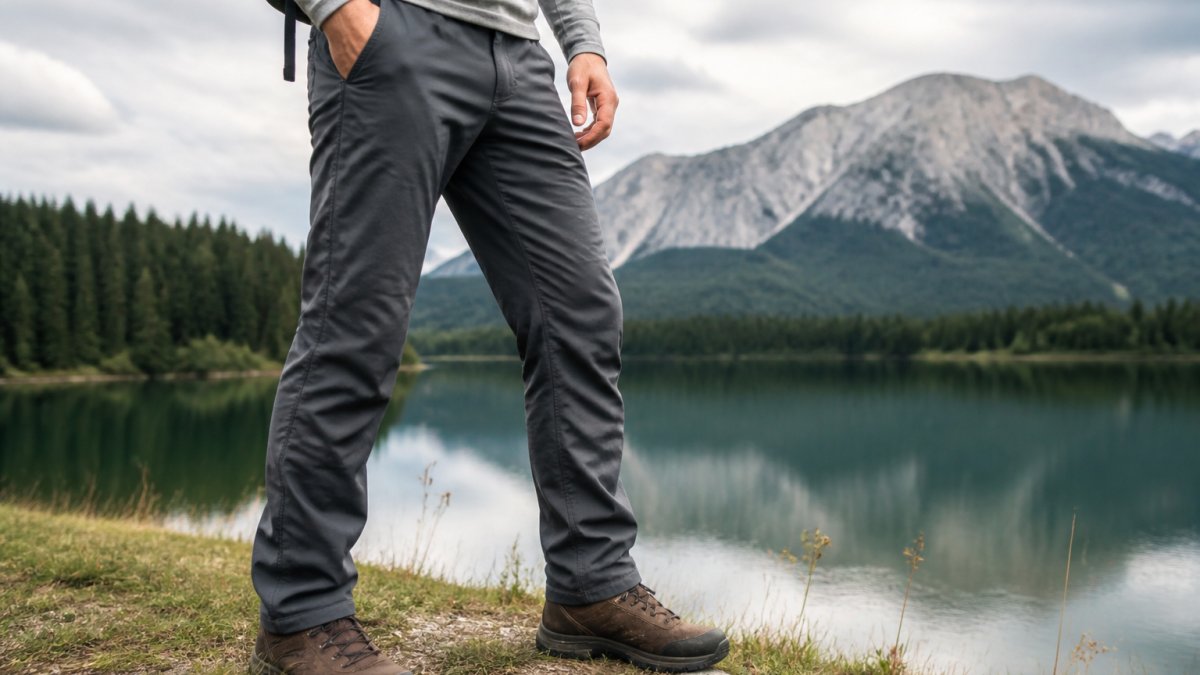
prAna's Stretch Zion earns its reputation on flexibility. The combination of durable fabric and stretch is a key feature, and an integrated belt simplifies layering on the trail. For hikers who want pants that adapt to changing conditions without zip-off legs, this is a strong choice.
The fabric handles scrambling well, and the range of motion suits climbing and steep walking. Where it falls short for commuters is styling: the cut and detailing lean outdoor, so it looks out of place in a formal office. Pricing is not published in our source material, so check the retailer for current figures.
Pros and Cons
Pros:
- Durable yet flexible fabric noted by multiple reviewers
- Integrated belt is practical for trail use
- Strong range of motion for climbing and scrambling
Cons:
- Outdoor styling limits office wear
- Current pricing not confirmed in our source material
3. Patagonia Quandary Pants: Best Lightweight Option for Summer
Warm-weather hikers get the most from the Quandary. The pant is lightweight and breathable for summer conditions, and it is durable for its weight. That combination makes it a sensible pick for hot-weather trail use and casual everyday wear.
The tradeoff is weather protection. A pant this light prioritizes breathability over water resistance, so it suits dry summer days better than shoulder-season storms. For commuting in a business-casual office, the styling works; for a formal one, it does not.
Pros and Cons
Pros:
- Breathable enough for summer hiking
- Durable for its weight, per reviewer feedback
- Lightweight construction reduces fatigue on long days
Cons:
- Limited water resistance
- Current price not shown in our source material
4. LIVSN Ecotrek Trail Pant: Best for Pocket Organization
LIVSN built the Ecotrek around storage, and it shows. Pocket organization is purposeful rather than decorative, hardware is durable, and the athletic feel suits hikers and travelers who combine outdoor days with movement through cities. GearJunkie lists the price at $139.
A well-placed phone pocket can prevent thigh slap during a walk to the train. The Ecotrek handles that well. Dedicated commuting features beyond storage are not confirmed in our source material, so treat it as a trail-first pant that travels.

Pros and Cons
Pros:
- Purposeful pocket organization for everyday carry
- Durable hardware
- Athletic feel suits active travel days
Cons:
- Commuting-specific features not confirmed
- Pricier than basic hiking pants at $139
Finding the Best Hiking Pants for Men Who Also Commute
The best hiking pants for men who commute are the ones that perform in a seated position as well as they do on a climb. Here is how to judge a pair against both settings before you buy.
Start with the seated test. Sit in the pant for ten minutes, then stand and squat. Fabric that bunches behind the knee or digs at the hip when seated will fail on a train, in a car, or at a desk, even if it moves fine standing up. A gusseted crotch and articulated knees are the mechanisms that prevent this; look for both on the spec sheet.
Check breathability where it counts. Trail roundups test breathability while walking. Commuters need it while sitting, when fabric traps heat against the seat and thighs. A lightweight nylon weave with a matte finish breathes better in a chair than a coated or membrane-backed fabric, which tends to run warm when you are not moving.
Weigh wrinkle resistance and noise. A pant that looks pressed at 8 a.m. and creased by noon reads as careless in an office. Matte, tighter weaves resist wrinkling better than loose ripstop, and they also cut the swish that loud nylon makes on a quiet walk to the train. If you ride a bike, a tapered leg opening that clears the chainring without a strap is worth more than an extra pocket.
Confirm fit and sizing before you commit. Check inseam options and thigh room, especially on an athletic build, and read the return policy, a great fabric on a bad cut is useless in both settings. Then weigh fabric strength against weight, and weather protection against breathability for your climate.
Care extends life more than any feature. For how to wash hiking pants, use cold water, mild detergent, and air dry; skip fabric softener, which coats technical fibers and reduces breathability. Repair small snags early, a stitch now beats a seam failure later, and cost per wear drops fast.
That is the whole framework: dual-purpose design, honest sizing, commute-specific performance, and care that protects the fabric. If you want a pair built for both settings from the start, browse the Tremendous World collection and find your fit.
Frequently Asked Questions
What trousers are best for both hiking and commuting?
The best durable trousers for hiking and commuting balance abrasion resistance with a clean, office-appropriate look. Look for stretch fabric with a tapered fit that moves well on a bike or trail but doesn't look out of place at a desk. Pocket storage matters too: secure zippered pockets handle everyday carry on the trail and keep your phone safe on the train. Water-resistant finishes and quick-drying polyester fabric add weather protection without bulk. Tremendous World designs specifically for this dual-purpose use, so you get one pair that handles both settings.
What features make hiking trousers durable?
Durability comes down to fabric strength, abrasion resistance, and construction details. High-denier polyester or nylon blends resist scuffs better than lightweight cotton. Reinforced knees and seat panels extend wear life where it counts. Durable hardware like metal zippers and sturdy buttons outlast plastic alternatives. A water-resistant coating also protects the fabric from moisture damage over time. When comparing options, check for these specific features rather than relying on general 'durable fabric' claims. Proper care, like following the wash instructions, also extends lifespan significantly.
Are water-resistant trousers enough for hiking in the rain?
Water-resistant hiking pants handle light rain, drizzle, and splashes from puddles or wet brush, which covers most commuting scenarios and many trail conditions. They are not fully waterproof, so sustained heavy rain will eventually soak through. For commuting, water-resistant fabric is usually sufficient because you're rarely outside for extended periods. On the trail, pair them with a rain shell or choose waterproof over-trousers for serious weather. The advantage of water-resistant over waterproof is breathability: you stay comfortable during active use without overheating, and the fabric dries quickly when wet.
How should hiking trousers fit for walking and cycling?
Fit is critical for dual-purpose trousers. You need enough thigh room and range of motion to pedal and step over obstacles without restriction, but a tapered fit that doesn't catch in a bike chain or drag on the ground. An athletic build often needs more room through the seat and thighs. Check the inseam measurement against your usual pants, and look for articulated knees or gusseted crotches that improve mobility. For cycling specifically, a slightly higher back waistband prevents gaps when leaning forward. If you're between sizes, size up for comfort during active use.
How do you wash hiking pants without damaging them?
Machine wash hiking pants in cold water on a gentle cycle with a mild detergent. Avoid fabric softeners and bleach, which break down water-resistant coatings and stretch fibers. Close all zippers and turn them inside out to reduce abrasion. Skip the dryer: hang them to air dry, which preserves the fabric's shape and technical finishes. If the pants have a durable water repellent (DWR) coating, tumble drying on low heat occasionally can reactivate it, but check the care label first. Wash them after every few hikes to remove dirt and oils that degrade fabric over time.
The hardest part of buying durable trousers is finding a pair that survives the trail without looking like it belongs there. Tremendous World builds premium athletic lifestyle apparel for exactly that gap, with stretch fabric, water-resistant finishing, and streetwear-ready cuts designed to move between city streets and summits. Shop Now to find the pair that keeps up with your whole week.