 how-to
Prevent Fabric Chafing on Sensitive Skin: A 7-Step Guide
Table of Contents
- Understanding Fabric Chafing and Sensitive Skin
- Step 1: Choose the Best Fabric for Sensitive Skin
- Step 2: Prioritize Moisture-Wicking Fabric for Sensitive Skin
- Step 3: Select Seamless Clothing for Sensitive Skin
- Step 4: How to Prevent Thigh Chafing During Activity
- Step 5: Keep Skin Clean and Dry Before and After Activity
- Step 6: Apply Protective Barriers and Anti-Chafing Products
- Step 7: Identify Problem Areas and Adjust Your Routine
- Frequently Asked Questions
Last Updated: October 20, 2026
Understanding Fabric Chafing and Sensitive Skin
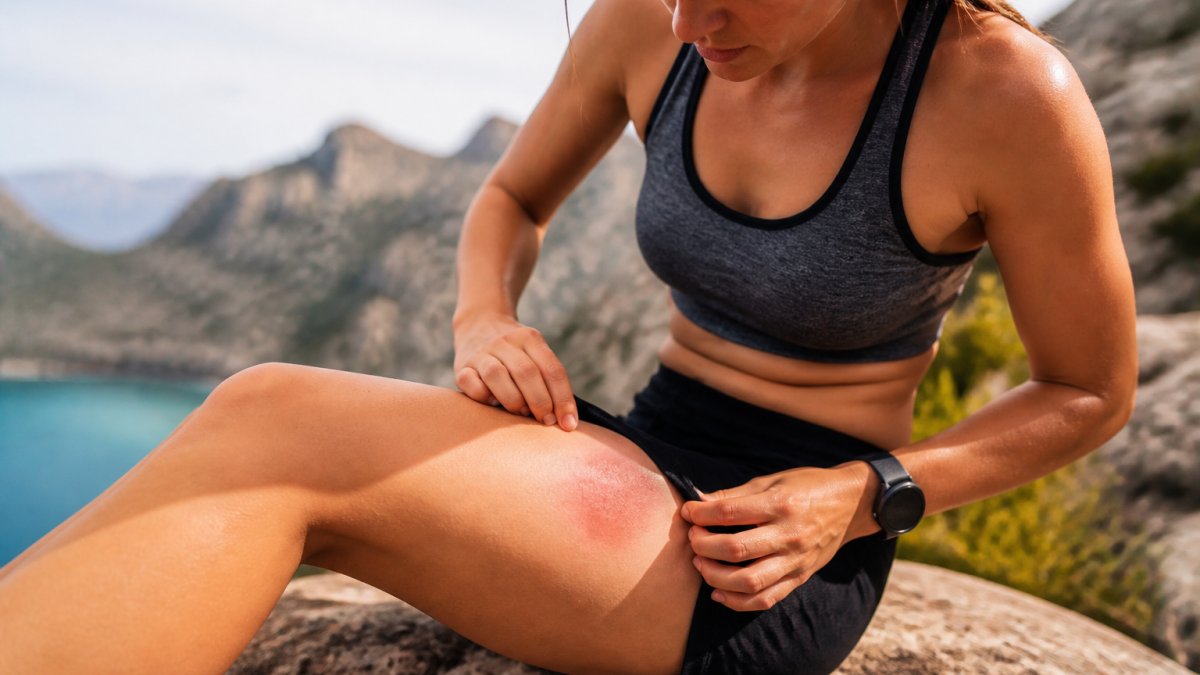
Fabric chafing happens when friction between skin and cloth creates irritation, redness, and soreness. For people with sensitive skin, this happens faster and feels worse. The combination of moisture, heat, and repeated rubbing breaks down your skin's protective barrier.
Sensitive skin reacts more intensely to chafing because its outer layer is thinner and more reactive. Where most people might feel minor discomfort, your skin develops visible rash, burning, or tenderness. Understanding this difference changes how you prevent fabric chafing on sensitive skin.
How friction and moisture trigger irritation
Friction alone doesn't always cause chafing. Add sweat, humidity, or prolonged activity, and the risk multiplies. Moisture softens your skin and reduces its natural friction resistance. Heat accelerates the process.
When fabric rubs against damp skin repeatedly, the outer layer breaks down. Sweat contains salt that irritates exposed skin. Heat increases blood flow to the area, making redness and tenderness worse. This is why chafing often strikes during workouts, long commutes, or humid weather.
Why sensitive skin reacts faster to chafing
Sensitive skin has a compromised moisture barrier. It loses water faster and absorbs irritants more easily. Chemicals in dyes, finishes, and detergents penetrate deeper. Even mild friction triggers inflammation that takes days to fade.
People with sensitive skin often deal with conditions like eczema or rosacea. Their skin produces less natural oil to protect against friction. This means standard prevention methods don't work. You need a more targeted approach.
Step 1: Choose the Best Fabric for Sensitive Skin
The fabric itself matters more than most people realize. Rough textures, synthetic blends, and chemical finishes all increase chafing risk. Natural fibers and smooth weaves reduce irritation significantly.
Synthetic blends vs. natural fibers
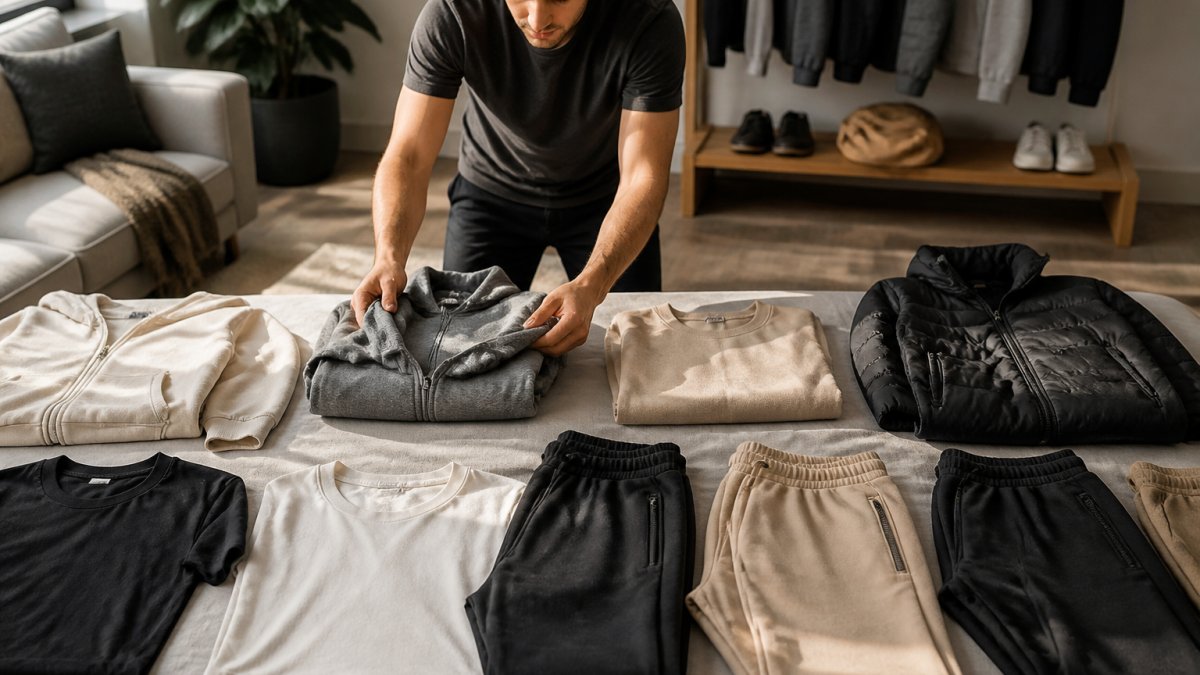
Natural fibers like cotton and merino wool breathe better than synthetics. They absorb moisture without holding it against your skin. Cotton feels soft and doesn't trap heat the way polyester does.
However, pure cotton absorbs sweat and stays damp. This creates the moisture problem that makes chafing worse. Merino wool wicks moisture away while staying breathable.
Synthetic blends can work if they're designed for moisture-wicking. Nylon and polyester blends move sweat away from skin. Look for fabrics labeled as moisture-wicking or performance blends.
Avoiding common irritants
Certain finishes and dyes trigger reactions on sensitive skin. Cheap synthetic fabrics often use harsh chemical treatments that don't wash out. These chemicals sit on the surface and irritate skin.
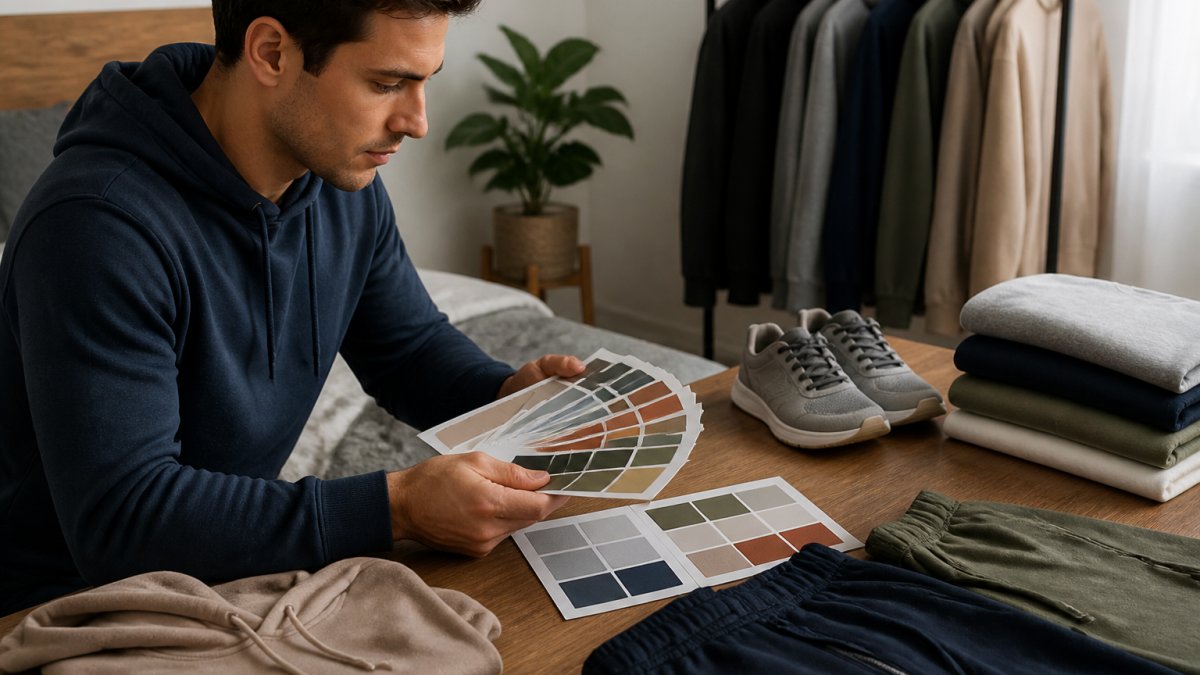
Avoid heavily dyed fabrics, especially dark colors. The dyes used for deep blacks and reds often contain irritants. Lighter colors typically use gentler dyes.
Blended fabrics that combine natural and synthetic fibers often perform best. A 60% merino wool and 40% nylon blend offers breathability plus durability.
Step 2: Prioritize Moisture-Wicking Fabric for Sensitive Skin
Moisture-wicking fabrics pull sweat away from your skin. This single feature cuts chafing risk dramatically. When skin stays dry, friction decreases and irritation stops before it starts.
How moisture-wicking reduces friction
Moisture-wicking works through capillary action. Fibers are designed to move liquid away from your body to the fabric's outer surface. The sweat evaporates there instead of sitting on your skin.
Dry skin has a protective barrier that resists friction. Wet skin loses this protection within minutes. Moisture-wicking fabrics maintain that barrier by keeping your skin dry.
The best moisture-wicking fabrics move moisture to the surface quickly. Merino wool does this naturally. Synthetic performance fabrics are engineered for it.
Testing fabric performance before activity
Don't buy a full outfit and hope it works. Test new fabrics on shorter activities first. Wear the garment for a 20-minute workout or walk. Check for any redness or irritation afterward.
Sensitive skin often needs a break-in period. Wearing a new fabric for short periods helps your skin adjust. After 3-4 wears, you'll know if it causes problems.
Pay attention to how the fabric feels when wet. Does it cling to your skin or move away? Does it dry quickly or stay damp?
Step 3: Select Seamless Clothing for Sensitive Skin
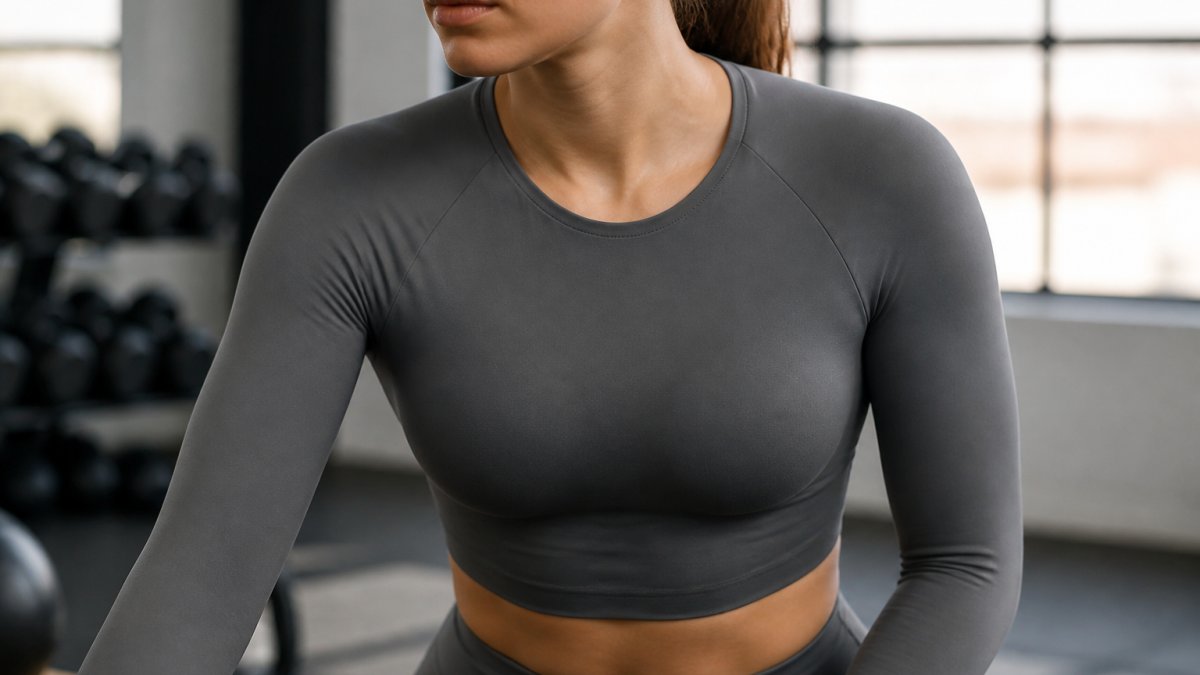
Seams create friction points where fabric bunches and rubs. Seamless clothing eliminates this problem entirely. For sensitive skin, seamless options are worth the extra cost.
Why seams create friction points
Seams are thick, raised lines where fabric layers overlap. When you move, these raised seams rub against your skin repeatedly. On sensitive skin, this creates a concentrated irritation line.
Flat seams are better than traditional seams but still create some friction. Seamless construction uses knitting techniques that eliminate seams entirely. The fabric flows as one continuous piece.
High-friction areas need seamless coverage most. Look for seamless construction in the underarm, inner thigh, and groin areas. These zones experience the most movement and moisture.
Finding and evaluating seamless options
Seamless clothing costs more because it requires specialized manufacturing. Expect to pay a premium for quality seamless pieces. However, the reduction in irritation justifies the cost for sensitive skin.
Check product descriptions carefully. "Flat seam" is not the same as "seamless." True seamless construction uses circular knitting machines. The fabric has no seams at all, not even flat ones.
Brands focused on athletic wear offer the best seamless selection. Look for pieces specifically designed for high-friction activities.
Step 4: How to Prevent Thigh Chafing During Activity
Thigh chafing is one of the most common complaints. The inner thighs experience constant friction during walking, running, or cycling. Moisture from sweat makes it worse. Preventing thigh chafing requires specific strategies.
Fit and compression strategies
Loose clothing reduces friction compared to tight pieces. However, loose clothing also allows more skin-to-skin contact in the thigh area. This creates a different chafing problem.
Compression shorts or fitted athletic leggings actually prevent thigh chafing better. They keep your thighs from rubbing against each other. The fabric creates a barrier between skin surfaces.
The key is finding the right fit. Too tight causes its own irritation. Too loose defeats the purpose. Test the fit by doing a few squats or lunges.
Protective layers and garment combinations
Layering creates distance between your skin and outer fabric. Wear moisture-wicking base layers under looser outer clothing. The base layer pulls sweat away.
Longer shorts or skirts reduce skin exposure. Instead of letting your thighs touch directly, the fabric barrier prevents contact. This works well for people who prefer looser clothing.
Some athletes wear protective shorts under regular shorts. These thin, fitted layers sit directly on skin and prevent thigh-to-thigh contact. They're barely noticeable but highly effective for sensitive skin.
Step 5: Keep Skin Clean and Dry Before and After Activity
Your skin's condition before activity affects chafing risk. Clean, dry skin has better friction resistance. Sweat and bacteria on your skin increase irritation. Post-activity care prevents infection and speeds healing.
Pre-activity skin preparation
Wash the area with mild soap and cool water the morning of activity. Use a gentle cleanser that doesn't strip your skin. Pat skin dry completely. Don't leave any moisture.
Apply a light moisturizer if your skin feels tight. Dry, tight skin actually chafes more easily. A thin layer of gentle moisturizer creates a protective barrier.
Skip heavy lotions or oils right before activity. These trap moisture against your skin. Light, fast-absorbing moisturizers work better.
Post-activity care and garment management
Change out of sweaty clothing immediately after activity. Sweat sitting on your skin creates the perfect environment for chafing and infection. Even 30 minutes of sitting in damp fabric causes problems.
Rinse the affected area with cool water. This removes sweat, salt, and bacteria. Pat dry gently. Don't rub aggressively on irritated skin.
Wash workout clothes after each use. Dried sweat, bacteria, and fabric softener residue irritate sensitive skin. Use mild detergent without perfume. Rinse thoroughly to remove all soap residue.
Step 6: Apply Protective Barriers and Anti-Chafing Products
Protective products create a slippery barrier between skin and fabric. They reduce friction dramatically. For sensitive skin, choosing the right product matters.
Balms, creams, and petroleum jelly for sensitive skin
Petroleum jelly is inexpensive and effective. It creates a moisture barrier that reduces friction. Apply a thin layer to high-risk areas before activity.
Anti-chafing balms are designed specifically for this purpose. They contain ingredients that reduce friction while staying on skin during activity.
Silicone-based products create the slipperiest barrier. They last longer during activity than petroleum jelly. However, they can be harder to wash off.
Moisturizing creams work for mild chafing prevention. They keep skin supple and less prone to irritation.
Patch testing products on reactive skin
Sensitive skin often reacts to new products. Test any balm or cream on a small patch of skin 24 hours before activity.
If no reaction occurs, apply the product to a small area of the high-friction zone. Do a short 15-minute activity.
Ingredients to avoid include fragrance, essential oils, and alcohol. These commonly trigger reactions on sensitive skin. Read labels carefully.
Keep a list of products that work for your skin. Stick with proven options rather than constantly trying new ones.
Step 7: Identify Problem Areas and Adjust Your Routine
Every body is different. Your high-friction zones might not match someone else's. Identifying your specific problem areas helps you target prevention effectively.
High-friction zones: groin, underarms, and inner thighs
The groin area experiences constant friction from clothing and movement. Moisture accumulates here easily.
Inner thighs rub together during any lower-body activity. This friction intensifies with moisture and heat. Compression clothing or protective layers work best here.
Underarms experience friction from arm movement and sleeve edges. Seams in this area cause concentrated irritation.
Other common zones include behind the knees, between toes, and along the bra line. Pay attention to where you feel irritation after activity.
Tailoring prevention by activity and climate
Different activities create different friction patterns. Running causes more vertical friction. Cycling creates horizontal friction. Walking is gentler but lasts longer.
Hot, humid climates increase sweat production. You'll need more aggressive moisture-wicking and protective products.
Altitude affects how much you sweat. High-altitude activities often involve less sweating despite physical exertion. Low-altitude, humid areas cause excessive sweating.
Track what works for your specific situation.
Preventing fabric chafing on sensitive skin requires attention to multiple factors. The right fabric choice, moisture management, and protective products work together.
Frequently Asked Questions
What fabrics are best for sensitive skin to prevent chafing?
Moisture-wicking synthetic blends such as nylon-spandex and polyester-elastane are ideal for sensitive skin because they pull sweat away from the skin surface and dry quickly. Look for smooth, tightly woven fabrics without rough textures. Merino wool is a natural alternative that resists odor and regulates temperature without irritating most sensitive skin types. Always check the garment label for fabric composition and perform a patch test before wearing new clothing during intense activity.
How can you prevent thigh chafing when exercising?
Wear well-fitting compression shorts or moisture-wicking leggings that reduce skin-to-skin contact and friction. Choose seamless designs to eliminate seam-related irritation. Apply a protective anti-chafing balm to high-friction areas before exercise. Keep your thighs dry by using moisture-wicking fabric and changing out of sweaty clothes immediately after activity. For sensitive skin, test any new product on a small area first to ensure no adverse reaction.
Is moisture-wicking fabric good for sensitive skin?
Yes, moisture-wicking fabric is beneficial for sensitive skin because it pulls perspiration away from the skin surface, reducing the buildup of heat and humidity that triggers friction and irritation. This keeps the skin barrier intact and reduces redness and soreness. Quality moisture-wicking fabrics also dry faster than cotton, which minimizes the time your skin spends wet and vulnerable. Choose brands that offer hypoallergenic, dye-free options for added protection.
What can you put on your skin to prevent fabric chafing?
Anti-chafing balms, petroleum jelly, and specialized creams create a protective barrier between skin and fabric. For sensitive skin, test any product on a small area first to rule out allergic reactions. Apply the product to high-friction zones such as the groin, inner thighs, and underarms before activity. Moisturizers with gentle, hypoallergenic formulas can also strengthen your skin barrier. Avoid products with fragrance, alcohol, or harsh chemicals that may irritate sensitive skin further.